Beloved British Fish and Chips Facing Steep Price Hikes Amidst Economic Headwinds
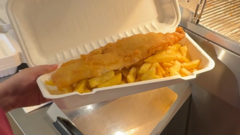
A traditional British staple, fish and chips, is seeing significant price increases, with one Dorset shop highlighting a confluence of economic pressures impacting the cost of the beloved dish. The rise in prices is attributed to several key factors, including Value Added Tax (VAT), the ongoing conflict in Ukraine, and soaring energy costs, according to a report by BBC Business.
The Dorset establishment’s experience mirrors a broader challenge likely faced by many independent businesses across the United Kingdom. These escalating operational expenses are forcing proprietors to make difficult choices between absorbing higher costs and passing them on to consumers, potentially altering the accessibility of what has long been considered an affordable treat.
Value Added Tax, a consumption tax levied on goods and services, directly contributes to the increased cost of ingredients and supplies for businesses. For a sector like hospitality, even small increases in VAT can significantly impact profitability, especially when combined with other rising expenditures.
The war in Ukraine has had far-reaching global economic consequences, particularly affecting commodity markets. For fish and chip shops, this conflict has driven up the cost of essential ingredients such as cooking oil, with sunflower oil being a prominent example. Disruptions to supply chains and increased demand for alternative oils have created a volatile market, making sourcing more expensive and unpredictable.
Perhaps one of the most immediate and tangible impacts comes from the surge in energy prices. Operating a fish and chip shop is energy-intensive, relying heavily on electricity and gas for frying ranges, heating, and lighting. Higher utility bills translate directly into increased overheads, squeezing profit margins already under pressure from other economic factors.
This situation places independent businesses in a precarious position. Many are deeply embedded in their local communities and strive to maintain affordability for their customers. However, the cumulative effect of these rising costs means that maintaining pre-existing price points is becoming increasingly unsustainable, risking the viability of these cherished local institutions.
For consumers, the consequence is a higher price tag for a meal that has historically been an economical option. This trend contributes to the wider cost of living crisis, where everyday expenses continue to climb, forcing households to re-evaluate their spending habits and potentially reduce discretionary purchases.
The challenges highlighted by the Dorset shop underscore the delicate balance independent businesses must strike to remain operational while navigating a complex economic landscape. The future of the quintessential British fish and chips, and its role as an affordable national dish, remains subject to these evolving market pressures.


Comments (0)
Be the first to comment.
Join the discussion