Beyond Affection: What Drives Cats to Groom One Another
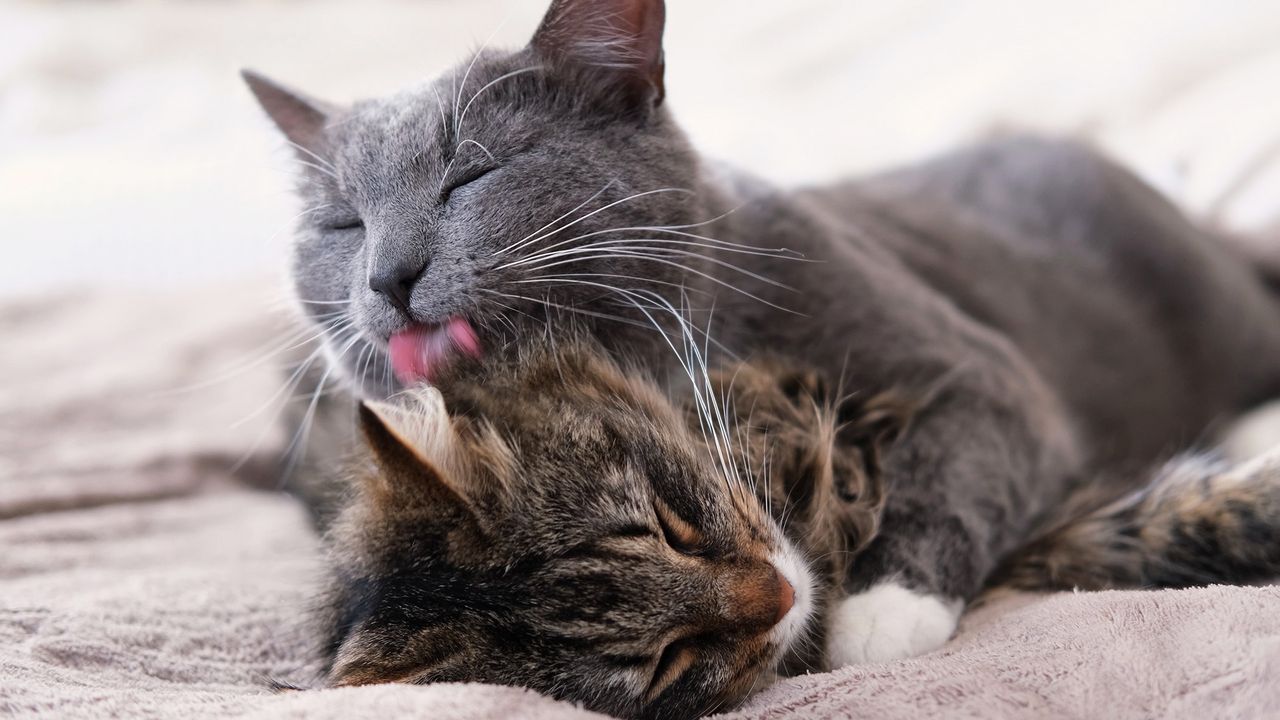
When a cat pauses to lick the fur of a housemate, many owners interpret the gesture as a simple sign of friendship. Scientists, however, recognize the behavior—known as allogrooming—as a multifaceted communication tool that can reinforce social bonds, establish hierarchy, reduce stress, and even serve health‑related purposes.
Allogrooming occurs when one cat uses its tongue to clean another’s coat, a ritual that is common in multi‑cat environments such as shelters, farms, and domestic homes. The act is distinct from self‑grooming and is deliberately directed toward a specific companion, suggesting intentionality rather than random licking.
One of the primary functions of this behavior is to strengthen social connections. By exchanging scent and tactile contact, cats create a shared olfactory profile that signals group membership. In groups where individuals are closely bonded, frequent grooming can indicate mutual trust and cooperation, while occasional grooming may be enough to maintain a basic level of cohesion.
Allogrooming also plays a role in establishing and reinforcing dominance structures. Lower‑ranking cats often receive more grooming from higher‑ranking individuals, a pattern that mirrors similar hierarchies seen in wild felid colonies. Conversely, a dominant cat may groom a subordinate to signal authority while simultaneously offering a calming gesture that reduces potential conflict.
Beyond social dynamics, the act provides physiological benefits. The rough texture of a cat’s tongue helps remove loose hair, debris, and external parasites, contributing to overall coat health. The rhythmic licking stimulates the release of endorphins, which can lower anxiety levels for both participants, especially in stressful environments like moving households or veterinary visits.
Mother‑kitten interactions illustrate another dimension of allogrooming. Kittens learn to groom their mothers, and vice versa, as part of early socialization. This reciprocal behavior not only cleans the young but also imprints the mother’s scent onto the offspring, reinforcing familial bonds that persist into adulthood.
For cat owners, observing the frequency and context of allogrooming can offer clues about household dynamics. Regular, relaxed grooming sessions typically indicate a harmonious group, whereas sudden increases in grooming directed at a particular cat may signal that the animal is experiencing discomfort, illness, or social tension. In such cases, a veterinary check‑up is advisable.
Researchers continue to explore the neurochemical pathways that underlie feline grooming, aiming to clarify how the behavior influences stress hormones and immune function. As studies expand, owners can expect more nuanced guidance on interpreting their cats’ tactile interactions, helping them foster healthier, more balanced multi‑cat homes.


Comments (0)
Be the first to comment.
Join the discussion