WHO flags lack of official cause in death of Russian infectious‑disease researcher
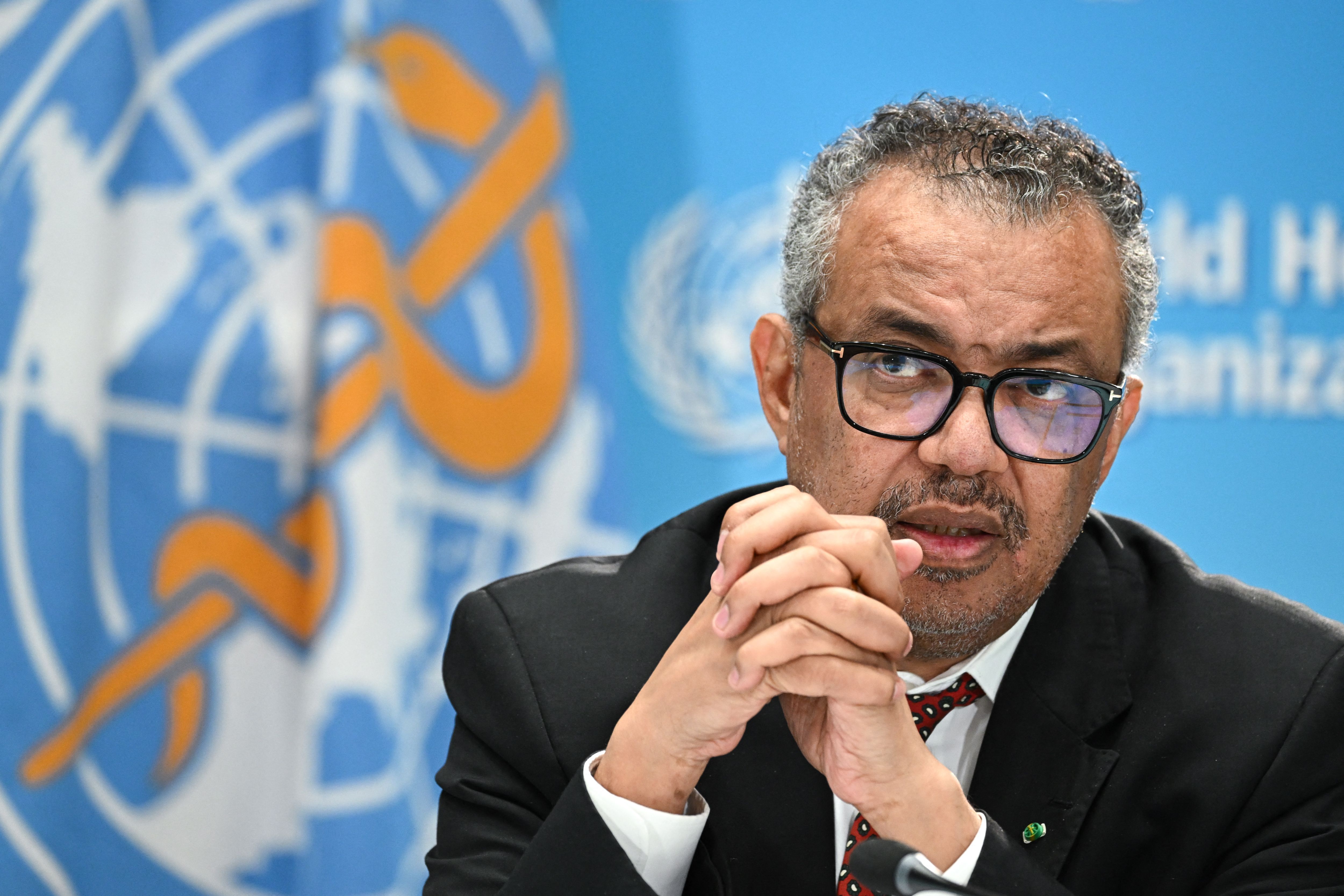
The World Health Organization published a disease‑outbreak bulletin over the weekend that draws attention to the unresolved circumstances surrounding the death of a Russian infectious‑disease scientist earlier this month. The report notes that Russian authorities have not provided a confirmed cause of death, labeling this omission a "key uncertainty" in the ongoing assessment.
According to the WHO brief, the researcher was found deceased in a laboratory setting, but details about the incident remain sparse. Russian health officials have declined to release an official autopsy report, and no public statement has clarified whether the death resulted from an accident, exposure to a pathogen, or other factors.
The episode arrives at a time when global scrutiny of high‑containment laboratories has intensified. Since the COVID‑19 pandemic, questions about biosafety standards in labs worldwide have prompted calls for greater transparency, and the Russian case adds another layer to the debate. International health bodies have repeatedly urged nations to share timely, accurate data when unusual health events occur.
WHO’s bulletin is part of its routine surveillance system that aims to alert the public health community to potential threats as early as possible. In this instance, the organization highlighted the paucity of reliable information, emphasizing that without a clear cause, risk assessments and preventive measures remain hampered.
Analysts suggest that the lack of a definitive explanation could affect collaborative research projects and may lead to diplomatic pressure for an independent investigation. Some nations have already indicated they will monitor the situation closely, especially given the researcher’s work on pathogens that could have broader public‑health implications.
Looking ahead, WHO has indicated it will continue to seek clarification from Russian health authorities and may issue further updates if additional data become available. The agency’s stance underscores the broader principle that transparent reporting is essential for global health security, particularly when laboratory incidents have the potential to cross borders.



Comments (0)
Be the first to comment.
Join the discussion