U.S. Energy Grid Grapples with AI's Looming Power Demands
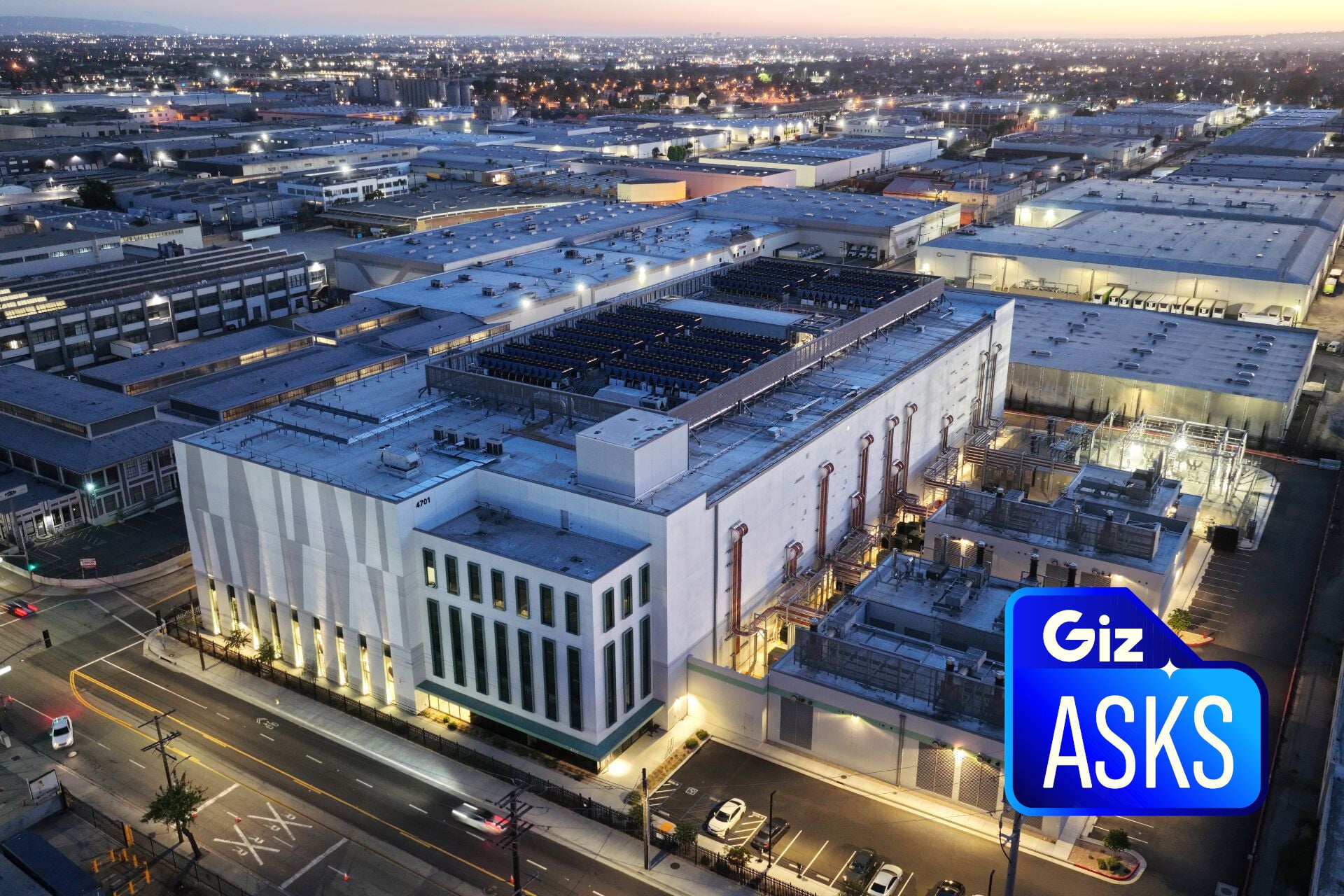
The burgeoning artificial intelligence sector is poised to place unprecedented demands on the United States' energy infrastructure, necessitating rapid and significant adaptations to the national power grid. As AI data centers proliferate and expand, their insatiable appetite for electricity is growing exponentially, prompting urgent concerns about the grid's capacity to keep pace.
At the heart of this challenge lies the sheer computational intensity required to develop, train, and operate advanced AI models. These processes occur within vast data centers, which are essentially sprawling complexes of servers and cooling systems, all consuming substantial amounts of energy. Each new advancement in AI technology typically correlates with a corresponding increase in the computational power, and thus electrical power, needed to support it.
The existing U.S. energy grid, while robust, was not designed with the current trajectory of AI-driven demand in mind. Its infrastructure, encompassing generation, transmission, and distribution, faces the dual pressure of not only supplying this new load but also doing so reliably and efficiently. The rapid scale-up required poses significant challenges for planning, investment, and implementation across the diverse and often localized energy landscape.
Industry observers and energy experts are highlighting the critical importance of addressing this looming power crunch. Failure to adequately adapt could hinder the continued growth of the AI industry, potentially impacting technological innovation and economic competitiveness. Furthermore, an overburdened grid could lead to increased instability, raising concerns about power reliability for both commercial and residential consumers.
Responding to this impending energy shift will require a multi-faceted approach. Discussions are centering on how to develop more energy-efficient AI systems, but also, crucially, on how to modernize and expand energy generation and transmission capabilities. This includes exploring a diverse portfolio of energy sources and implementing smarter grid management technologies to better balance supply and demand.
The challenge extends beyond merely increasing capacity; it also involves strategically locating new power sources and transmission lines to serve these energy-hungry data centers effectively. This often means navigating complex regulatory environments and securing substantial capital investments, all while aiming for sustainable and resilient solutions for the long term.
As the digital transformation continues to accelerate, the intersection of technological advancement and energy infrastructure becomes a defining issue. The U.S. energy grid's ability to evolve swiftly and intelligently will be pivotal in sustaining the AI boom and ensuring the nation remains at the forefront of innovation in the coming decades.



Comments (0)
Be the first to comment.
Join the discussion