H5N1 Avian Flu Spreads Along Southern Australia, Threatening Wildlife and Prompting Heightened Surveillance
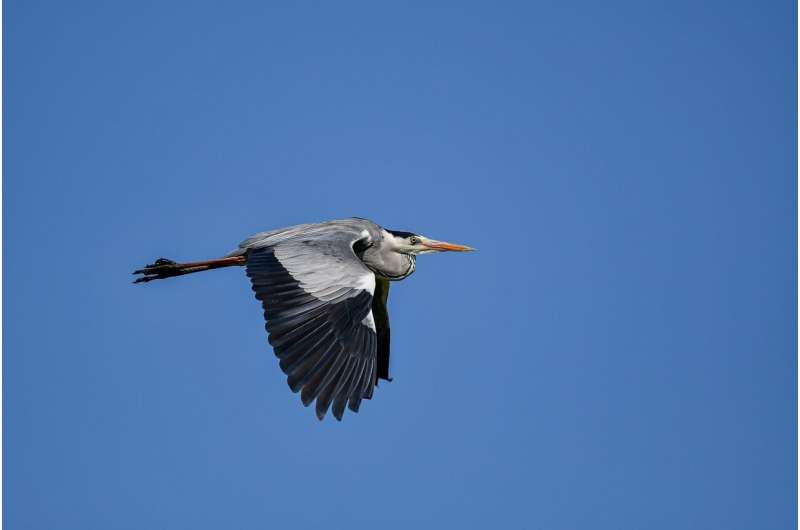
The highly pathogenic H5N1 strain of avian influenza is advancing rapidly along Australia’s southern coastline, leaving a trail of dead wild birds and, for the first time locally, infecting at least two long‑nosed fur seals.
Field observations from coastal reserves in Western Australia, South Australia and Victoria indicate that thousands of seabirds, including gulls and terns, have succumbed to the virus in recent weeks. Necropsies confirm classic signs of H5N1 infection, and the sheer volume of carcasses has strained local wildlife response teams.
Marine biologists reported that two juvenile long‑nosed fur seals recovered from a rehabilitation centre tested positive for the same H5N1 lineage. While seal infections with avian flu are rare, the cases underscore the virus’s capacity to cross species barriers, a factor that heightens concern among veterinarians and public‑health officials.
Experts stress that systematic monitoring is now essential. Surveillance programs that combine dead‑bird testing, environmental sampling and sentinel animal observation provide early warning of viral spread, allowing authorities to implement targeted biosecurity measures before the pathogen reaches densely populated poultry farms.
The agricultural sector is watching closely. Australia’s poultry industry, valued at billions of dollars, could face severe economic losses if H5N1 infiltrates commercial flocks. Consequently, state governments have intensified farm inspections, restricted movement of birds and equipment in affected zones, and issued guidance on personal protective equipment for farm workers.
Looking ahead, researchers plan to sequence additional viral isolates to track mutations that might affect transmissibility or virulence. Continued collaboration between wildlife agencies, marine rescue groups and agricultural regulators aims to keep the outbreak contained while safeguarding both animal health and the broader public‑health landscape.


Comments (0)
Be the first to comment.
Join the discussion