Dyson Expands Into Oral Care With Its First Toothbrush, Says Jake Dyson
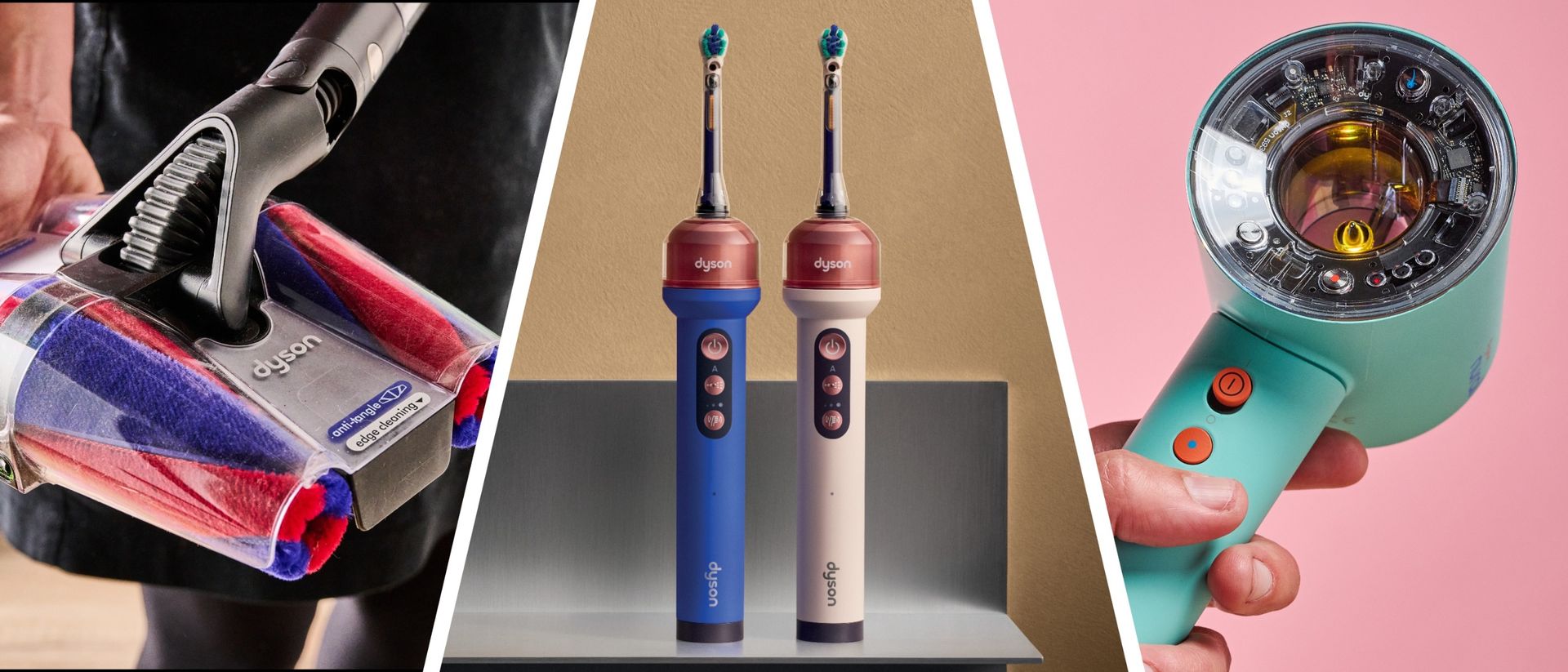
Dyson, the British engineering firm best known for its high‑performance vacuums and hair‑styling tools, has taken a bold step into a new market with the launch of its inaugural electric toothbrush. The product, unveiled this month, marks the first time the company has applied its patented digital motor technology to oral hygiene, a move that analysts say could reshape consumer expectations for everyday dental care.
In a recent interview, Jake Dyson, the company’s chief product officer, explained that the decision to develop a toothbrush was not taken lightly. He noted that Dyson’s design philosophy—centered on airflow, speed, and precision—had already proven successful in other personal‑care categories, and that the team saw a similar opportunity to improve brushing efficiency and comfort through engineering.
The toothbrush features a brush head that spins at a rate far exceeding conventional electric models, paired with a sleek, sealed body that resists water ingress. While Dyson has long marketed its hair‑dryers and stylers as premium alternatives to mainstream options, the new oral‑care device is positioned similarly, targeting consumers willing to invest in higher‑priced, technology‑driven health products.
Industry observers point out that Dyson’s entry into oral care follows a broader trend of tech‑focused companies diversifying beyond their original niches. The move also aligns with the firm’s history of entering markets where it can leverage its core competencies—most recently, its foray into air‑purifiers and lighting. By applying its expertise in fluid dynamics and motor design, Dyson hopes to differentiate its toothbrush from competitors that rely primarily on incremental improvements.
Market analysts estimate the global electric toothbrush segment to be worth several billion dollars and growing, driven by heightened consumer awareness of dental health. Dyson’s launch could intensify competition, prompting other manufacturers to accelerate innovation. However, the brand’s premium pricing strategy may limit immediate adoption to a niche of early adopters and brand enthusiasts.
Looking ahead, Jake Dyson indicated that the company’s product roadmap includes a focus on data integration, hinting at future models that could sync with smartphones to provide brushing analytics. While no official timeline was given, the prospect suggests Dyson aims to blend hardware with software, mirroring trends seen in its other smart‑home offerings. As the toothbrush rolls out across retail channels, its performance and consumer reception will likely influence whether Dyson expands further into personal‑care or remains selective in its diversification.

Comments (0)
Be the first to comment.
Join the discussion