US Report Alleges Widespread Tariff Evasion by China Through Third Countries
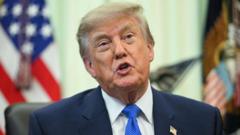
A new report from the United States government claims that China systematically circumvented tariffs imposed by the Trump administration by rerouting goods through dozens of other nations. This alleged practice allowed Chinese products to enter the U.S. market at lower duty rates, undermining the intended economic impact of the tariffs.
According to the U.S. findings, the strategy involved shipping goods from China to intermediate countries that faced lower or no tariffs from the United States. From these third-party nations, the products would then be exported to the U.S., effectively masking their true origin and avoiding the higher levies specifically targeting Chinese imports.
The tariffs, initially implemented during the Trump presidency, were designed to address various U.S. concerns, including intellectual property theft, forced technology transfers, and significant trade imbalances with China. By imposing additional duties on a wide range of Chinese goods, the U.S. aimed to level the playing field for American businesses and encourage domestic production.
The report's assertion that "dozens of countries" participated in this transshipment scheme suggests a significant and potentially sophisticated network designed to bypass trade barriers. Such evasion tactics can dilute the effectiveness of protectionist measures, impacting industries that tariffs were meant to shield and potentially distorting global trade flows.
The revelation of alleged widespread tariff dodging raises questions about the efficacy of current trade enforcement mechanisms and the challenges of policing complex global supply chains. It could prompt a closer examination of origin rules and customs procedures, potentially leading to increased scrutiny of imports from various countries.
For the Biden administration, this report presents an additional layer of complexity in its ongoing trade relationship with China. While the current administration has largely maintained the Trump-era tariffs, new findings of evasion could influence future trade policy decisions, potentially leading to intensified efforts to identify and penalize entities involved in such circumvention.
The economic implications for American businesses and consumers could be varied. Companies that rely on tariffs to compete with Chinese imports might find their advantages eroded, while consumers could unknowingly purchase goods that have bypassed intended trade barriers. The report underscores the persistent challenges in enforcing international trade regulations in an interconnected global economy.



Comments (0)
Be the first to comment.
Join the discussion