Human Activity Suspected in Devastating Blaze at Rare Wildlife Habitat
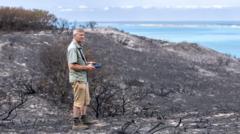
A recent wildfire, believed to have been sparked by an unattended campfire, has caused extensive damage to a rare and vital wildlife habitat, leading to significant loss of life among its resident species. Conservationists are expressing profound concern over the incident, which underscores the fragility of such ecosystems and the critical need for public vigilance.
According to a countryside manager for the National Trust, the blaze likely resulted in the deaths of numerous nesting birds, various reptile species, small mammals, and amphibians. The manager described the situation as 'upsetting,' highlighting the immediate and severe impact on the area's biodiversity, particularly at a time when many species are vulnerable due to nesting or breeding cycles.
Rare habitats, such as the one affected, are often home to specialized flora and fauna that cannot thrive elsewhere. They provide essential breeding grounds, food sources, and shelter for a delicate web of life. The destruction of these unique environments can have long-lasting consequences, potentially setting back conservation efforts by years or even decades for species already facing pressures from habitat loss and climate change.
The likely cause, a campfire, points to a recurring challenge faced by land managers: human-induced wildfires. While campfires are a cherished part of outdoor recreation, improper management or abandonment can quickly escalate into uncontrolled blazes, especially during dry periods. This incident serves as a stark reminder of the responsibility individuals hold when enjoying natural spaces.
The National Trust, which manages vast swathes of countryside and coastline across the region, dedicates significant resources to protecting and restoring these precious landscapes. Their work often involves creating fire breaks, educating visitors on fire safety, and implementing biodiversity enhancement projects. Events like this fire represent a significant setback to these ongoing efforts.
The recovery process for a habitat damaged by fire can be slow and complex. While some ecosystems are adapted to natural fire cycles, human-caused fires can be more intense and frequent, overwhelming the natural resilience of the land. Rebuilding populations of affected species, particularly those with low reproductive rates or specific habitat requirements, will require considerable time and dedicated conservation interventions.
This incident, originally reported by BBC Science, highlights the ongoing tension between public access to natural areas and the imperative to protect sensitive environments. It reinforces calls for greater public awareness regarding fire safety regulations and the broader impact of human actions on the natural world, urging everyone to play a role in safeguarding these irreplaceable natural treasures for future generations.


Comments (0)
Be the first to comment.
Join the discussion