Understanding the Gap Between PC and Console Graphics Processors
When gamers compare the visual power of a custom-built computer to that of a modern console, the most significant factor is the graphics processor. While both platforms rely on GPUs to render images, the way those chips are designed, integrated and supported diverges sharply, shaping performance, cost and the overall user experience.
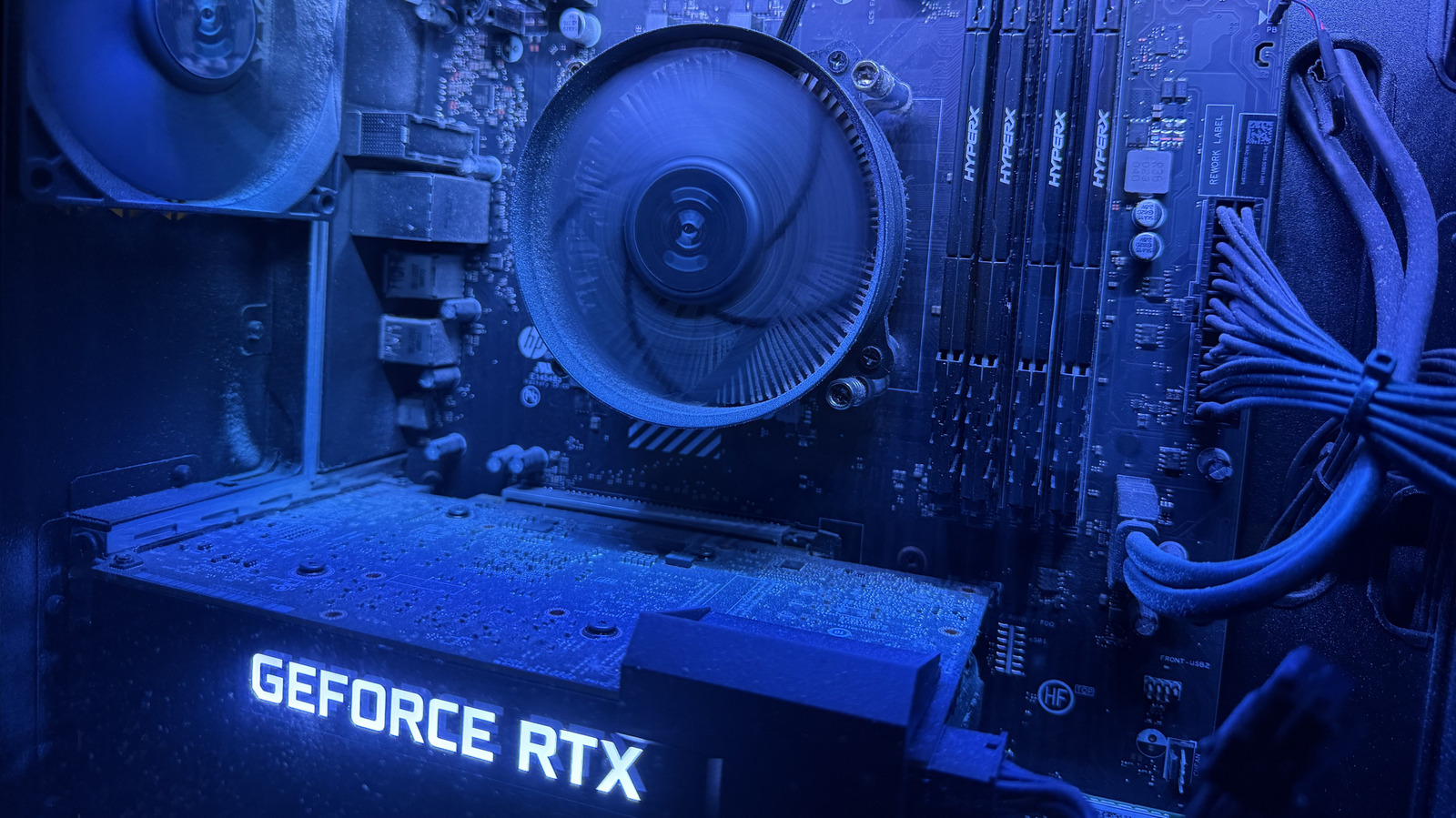
PC graphics cards are sold as separate components that plug into a standardized slot on a motherboard. This modular approach lets manufacturers pack a large number of compute cores, wide memory buses and high‑speed GDDR6 or HBM memory into a single board. The result is often raw horsepower that can outstrip the fixed silicon found in today’s consoles, especially at the high‑end of the market. In contrast, console GPUs are built into a system‑on‑chip (SoC) that combines the CPU, GPU and other controllers on one die, prioritising efficiency, power consumption and a compact form factor over absolute speed.
From a development standpoint, the static nature of console hardware offers a clear advantage. Game studios know the exact specifications they will face for the console’s entire lifecycle, allowing them to fine‑tune rendering pipelines, shader code and memory usage for that specific GPU. PC developers, however, must accommodate a wide spectrum of graphics cards, driver versions and operating system updates, which can lead to broader compatibility but less targeted optimization. The trade‑off is reflected in the way patches and performance tweaks are rolled out across the two ecosystems.
For consumers, the differences translate into distinct purchasing decisions. A console provides a ready‑to‑play experience at a predictable price point, with the GPU’s capabilities locked in and balanced against the rest of the system. Building or upgrading a PC, meanwhile, involves selecting a GPU that matches the rest of the components, budgeting for potentially higher power draw, and planning for future upgrades as newer titles demand more graphical muscle. This flexibility can yield better performance per dollar over time, but it also introduces complexity and higher upfront costs for many users.
Looking ahead, the line between the two platforms continues to blur. The latest generation of consoles adopts AMD’s RDNA 2 architecture, a design also found in many high‑end PC graphics cards, narrowing the performance gap. At the same time, advances in APIs such as DirectX 12 Ultimate and Vulkan give PC developers tools to extract more efficiency from their hardware, echoing the console’s emphasis on low‑level optimization. As both markets evolve, the fundamental distinction—modular, upgradeable GPUs versus integrated, fixed‑spec GPUs—will remain a key factor shaping how games are built and experienced.



Comments (0)
Be the first to comment.
Join the discussion