Understanding the “A” in USB‑A: What the Letter Actually Signifies
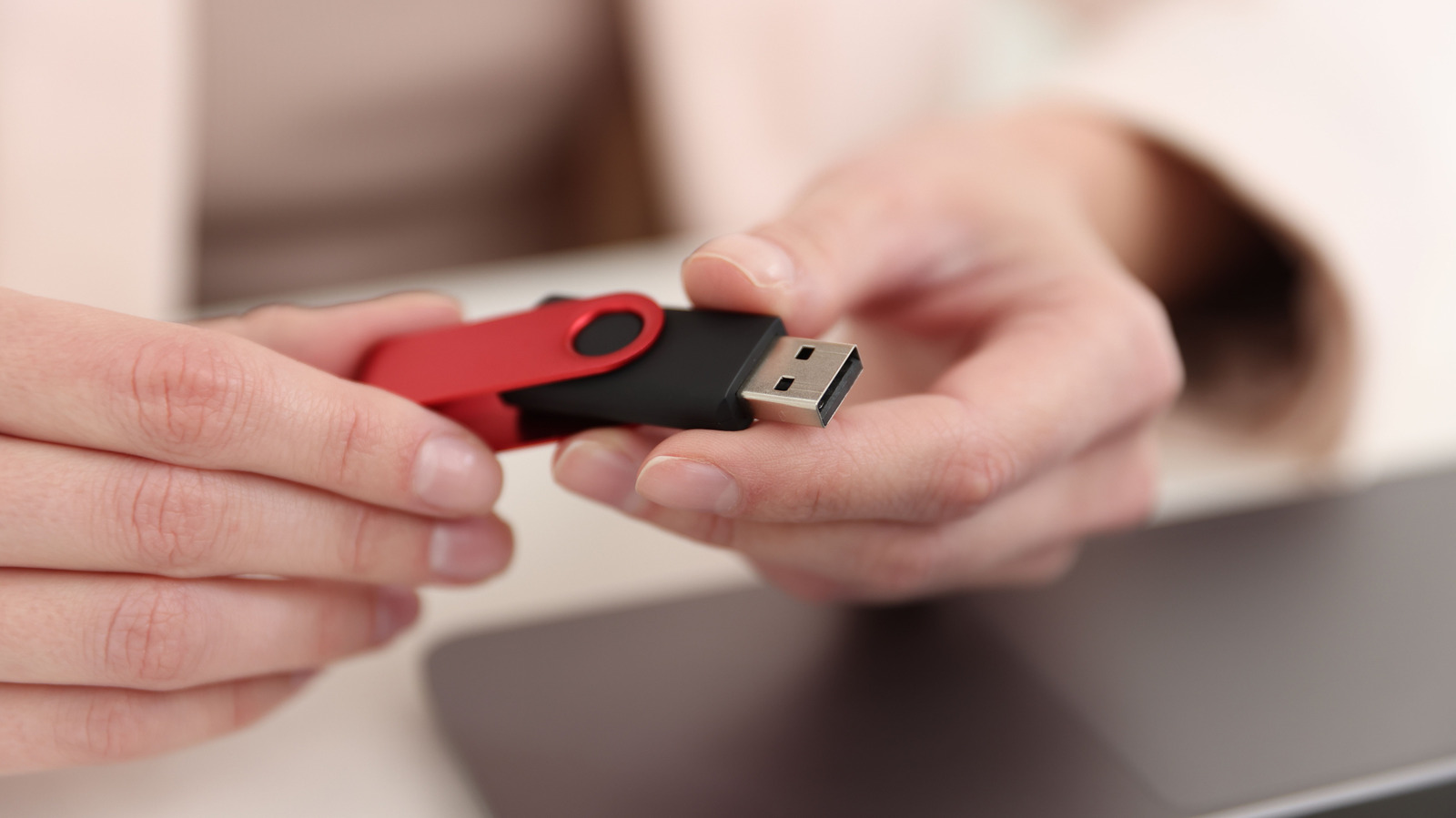
The letter “A” that appears on the rectangular USB connector does not denote a special feature or a newer version of the standard; it simply identifies the shape of the plug.
USB naming follows a convention introduced with the original Universal Serial Bus specification in the mid‑1990s. The standard defined several families of connectors—A, B and later C—each with a distinct physical profile. The designation is therefore a mechanical identifier, not a performance indicator.
In practice, a USB‑A receptacle is found on host devices such as desktop computers, laptops, game consoles, power adapters and many consumer electronics. The port can carry both data and power, and it has been paired with several protocol generations, from the first‑generation USB 1.1 up through USB 3.2, depending on the device’s internal controller.
The ability to support multiple protocol generations is why the same rectangular shape persisted for more than two decades. However, the design has inherent limitations: the plug can be inserted only one way, and its size restricts the number of pins that can be added for higher‑speed signaling. USB‑C, introduced in 2014, resolves those constraints with a reversible, slimmer form factor and a larger pin count.
Industry analysts note that the shift toward USB‑C is accelerating because the newer connector accommodates the fastest data rates defined by the USB4 specification and can deliver up to 100 watts of power. As a result, many manufacturers are phasing out USB‑A on flagship products while retaining it on budget or legacy‑oriented models.
For consumers, the transition means a growing market for adapters and cables that bridge USB‑A and USB‑C devices. Existing peripherals will continue to work as long as the host provides a compatible port, but new purchases are increasingly likely to feature the newer connector. In the near term, USB‑A is unlikely to disappear entirely, but its role is gradually becoming that of a legacy interface.



Comments (0)
Be the first to comment.
Join the discussion