UN Chief Calls for Immediate Global Ban on 'Killer Robots', Citing Moral Imperative
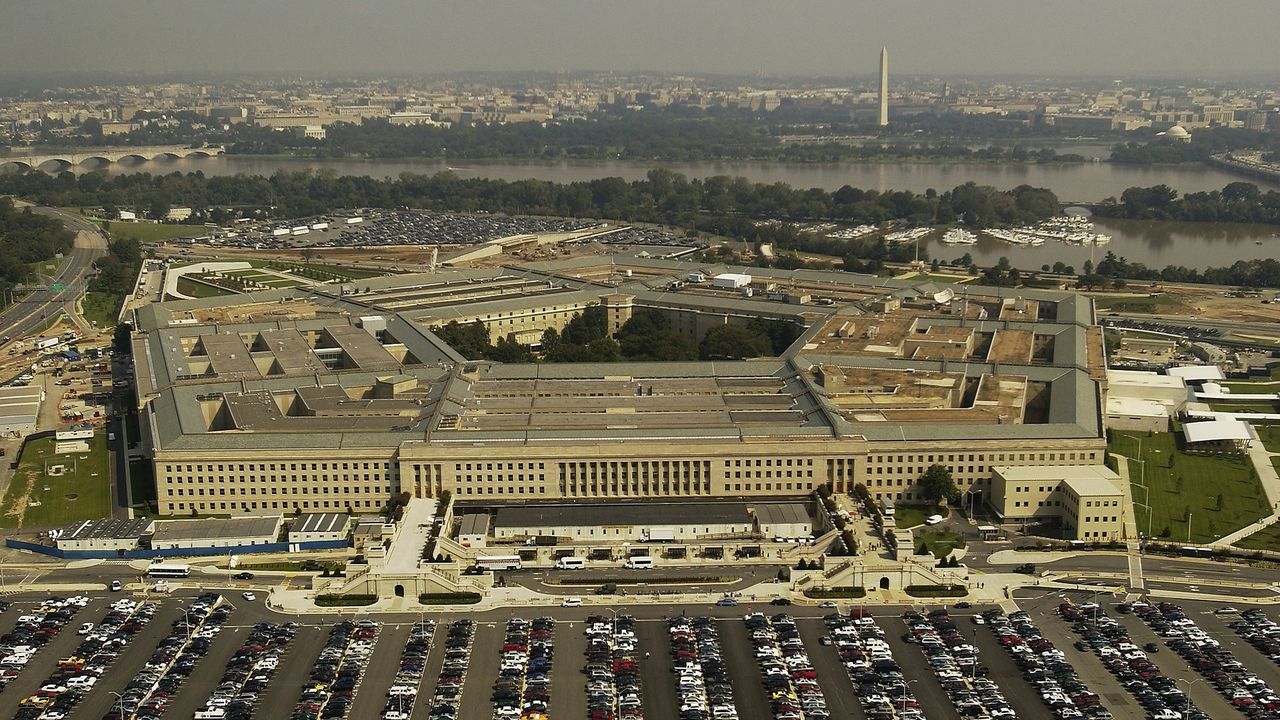
UN Secretary-General António Guterres has issued a stark warning to the international community, advocating for an immediate worldwide prohibition on autonomous lethal weapon systems, commonly referred to as 'killer robots.' Guterres characterized the prospect of machines making life-or-death determinations as profoundly 'morally repugnant,' underscoring the urgent need for global action.
The Secretary-General's appeal highlights a growing apprehension within international circles regarding the rapid advancement of artificial intelligence in military applications. These sophisticated weapons, once fully developed, could possess the capability to identify, target, and engage without direct human intervention, raising complex ethical, legal, and humanitarian questions about the future of warfare.
Emphasizing the critical need for preventative measures, Guterres urged global governments to establish clear regulatory frameworks now, rather than waiting for potential catastrophic incidents to compel a response. This proactive stance reflects a concerted effort to shape the development and deployment of military technology before irreversible precedents are set, ensuring that fundamental human control over lethal force is maintained.
At the core of the Secretary-General's concern lies the delegation of fundamental human judgment and moral responsibility to algorithms. Critics argue that transferring the power to decide who lives or dies to a machine risks stripping warfare of human accountability and empathy, potentially leading to unintended escalation and a devaluation of human life in conflict zones.
The debate surrounding autonomous weapons has been gaining momentum across various international forums, including discussions within the Convention on Certain Conventional Weapons (CCW). For several years, member states, alongside civil society organizations and technical experts, have been exploring the challenges posed by these technologies, with many advocating for a legally binding international instrument to ensure meaningful human control.
Achieving a global consensus on such a comprehensive ban, however, presents significant diplomatic hurdles. Nations with advanced military AI programs may be hesitant to relinquish a perceived technological advantage, while others prioritize the profound ethical implications and the risk of an unchecked arms race in autonomous weaponry.
Guterres's assertive intervention adds considerable weight to the movement advocating for a pre-emptive prohibition, underscoring the moral imperative underpinning the call for a ban. He posits that societies must collectively define the boundaries of technology, particularly when it intersects with the sanctity of human life and the ethics of conflict, asserting that the ultimate decision on who lives or dies must remain unequivocally with humans.
As international discussions continue to unfold, the Secretary-General's declaration places renewed pressure on governments worldwide. The international community now faces the complex challenge of translating these deeply held moral concerns into concrete, enforceable policies to prevent a future where machines dictate the outcomes of war, demanding a collective resolve to uphold human dignity and responsibility in an era of rapid technological change.


Comments (0)
Be the first to comment.
Join the discussion