ULA’s Vulcan Rocket Failure Sends Shockwaves Through U.S. Space Launch Market
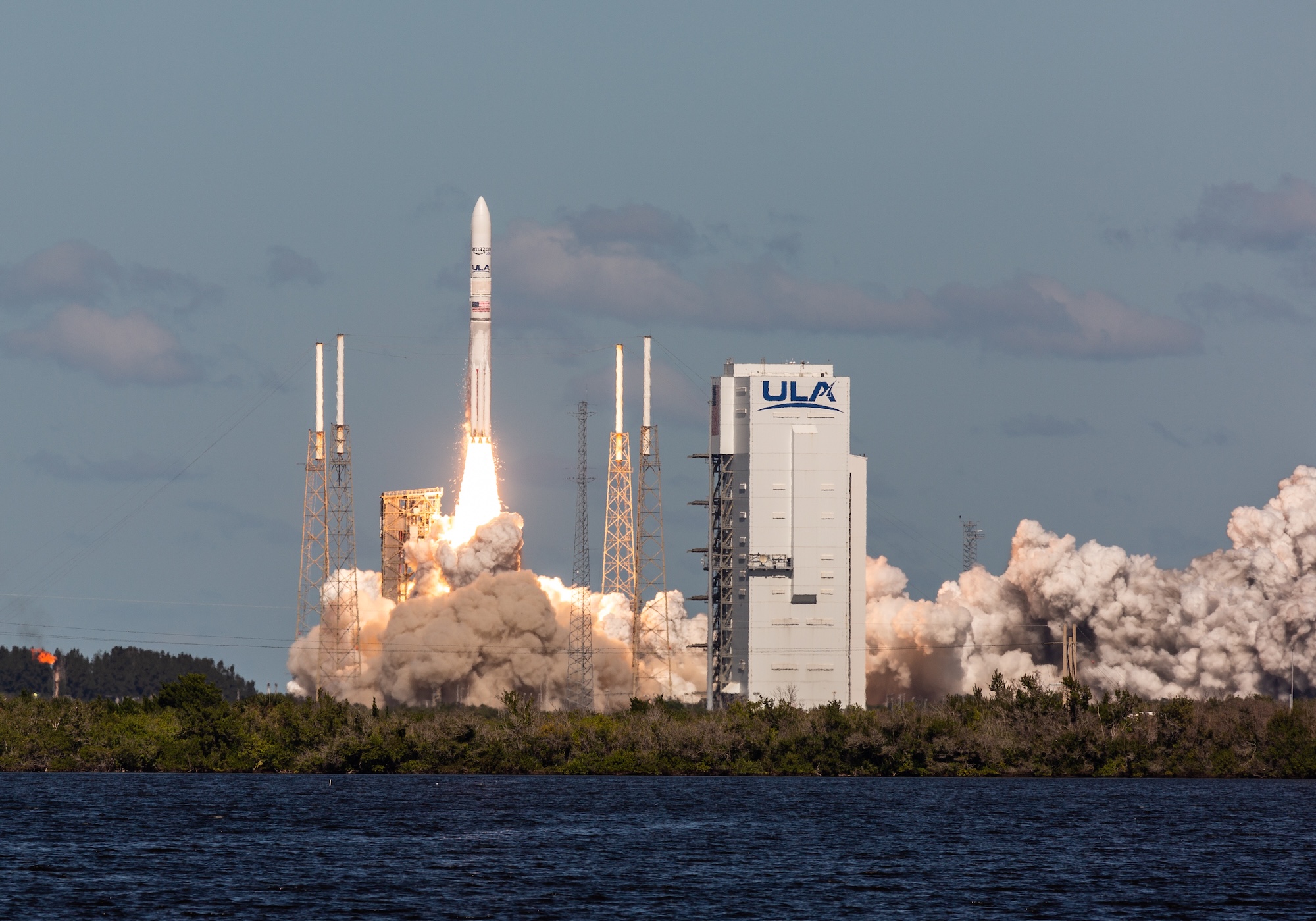
United Launch Alliance’s heavy‑lift Vulcan rocket suffered a catastrophic failure minutes after liftoff on Sunday, causing the vehicle and a payload of 40 Amazon broadband satellites to plunge back to Earth. The incident marks a significant setback for the company, which has been positioning the Vulcan as a primary alternative to SpaceX for a large share of domestic launches.
The launch, intended to place the Amazon Leo constellation into low‑Earth orbit, ended abruptly when telemetry indicated a loss of thrust shortly after the vehicle cleared the launch pad. Emergency procedures were initiated, but the rocket could not be recovered, and debris fell in a sparsely populated area, prompting a brief safety evacuation. No injuries were reported.
Vulcan has been under contract to deliver roughly half of the United States’ launch capacity, a role that would diversify the market beyond the dominance of SpaceX’s Falcon family. The failure not only jeopardizes those contracts but also raises questions about the timeline for ULA’s next scheduled missions, including national security payloads slated for the coming year.
Industry analysts note that the loss could have ripple effects across the commercial sector, particularly for satellite operators counting on ULA’s promised reliability and schedule. Amazon’s broadband initiative, which aims to expand high‑speed internet to underserved regions, now faces a delay as the company reassesses its launch options. The setback may also prompt other customers to revisit agreements with competing providers, potentially accelerating demand for alternative launch services.
United Launch Alliance has pledged a thorough investigation, citing its commitment to safety and mission assurance. The agency will work closely with the Federal Aviation Administration and other regulatory bodies to determine the root cause, whether it stems from engine performance, software, or another subsystem. In the meantime, the broader U.S. space ecosystem is watching closely, as the outcome will influence competitive dynamics, investment decisions, and the pace at which new satellite constellations reach orbit.



Comments (0)
Be the first to comment.
Join the discussion