ULA’s New Vulcan Rocket Crashes on Maiden Flight, Wiping Out 40 Amazon Broadband Satellites
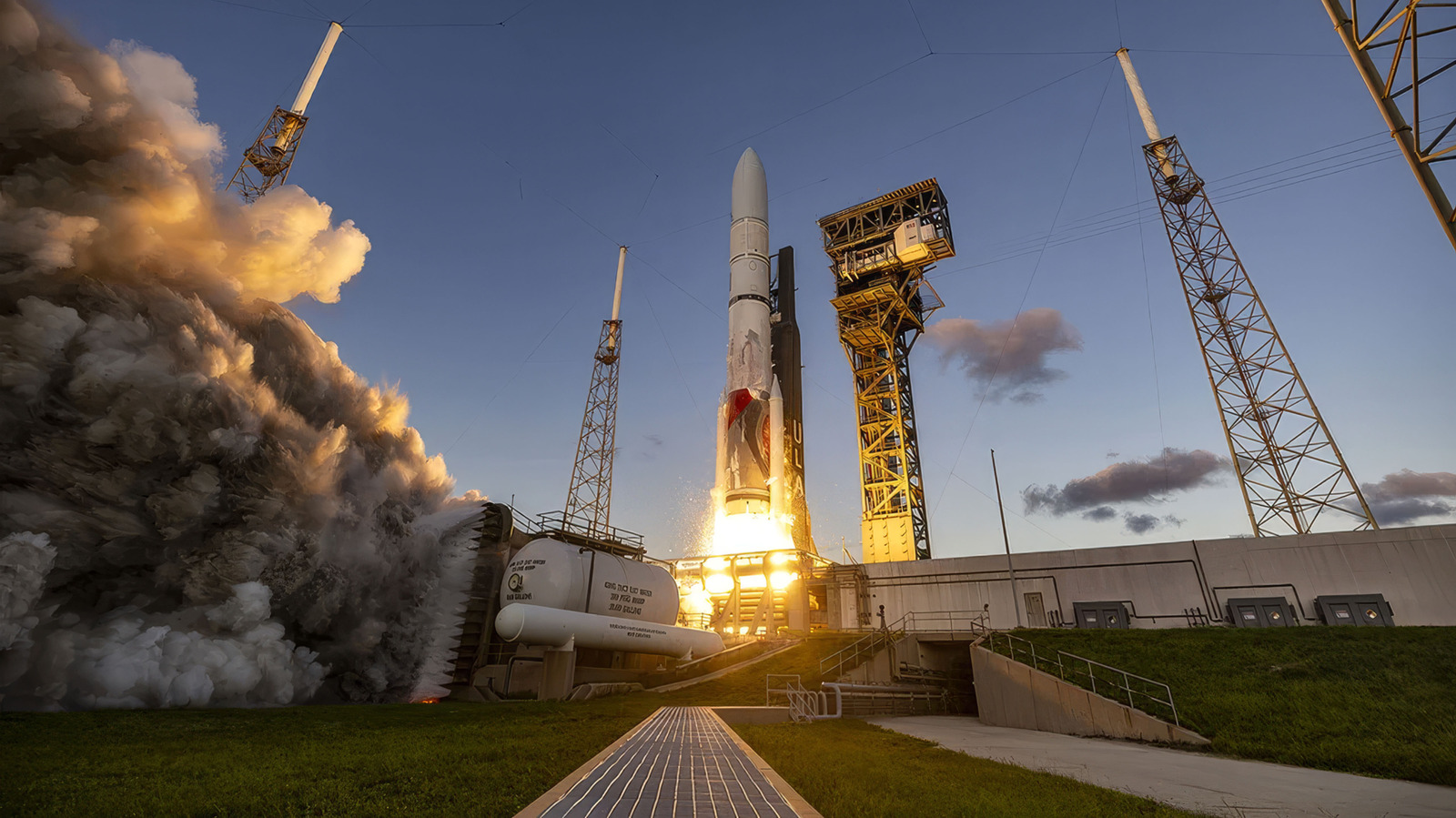
United Launch Alliance’s inaugural launch of its next‑generation Vulcan rocket ended in failure, resulting in the loss of all 40 low‑Earth‑orbit satellites Amazon had aboard for its broadband constellation. The mishap occurred during the vehicle's first flight, marking a stark contrast to ULA’s long‑standing reputation for reliability on its Atlas V workhorse.
The launch, conducted from Cape Canaveral, was intended to demonstrate Vulcan’s upgraded architecture and to place Amazon’s Leo payloads into their designated orbital slot. Shortly after liftoff, telemetry indicated an anomaly that led to the vehicle’s destruction, taking the entire satellite batch with it.
Vulcan represents ULA’s effort to replace both the Atlas V and Delta IV families with a single, more cost‑effective system that incorporates modern engines and reusability concepts. The company has touted the rocket’s design as a “next‑generation” solution capable of meeting both commercial and national security demands, but the setback underscores the technical challenges inherent in debuting a new launch platform.
Amazon’s satellite venture, often referred to as Project Kuiper, aims to deploy a constellation of low‑Earth‑orbit satellites to deliver high‑speed internet to underserved regions worldwide. The 40 satellites destroyed in the accident were part of a phased deployment strategy designed to accelerate the network’s rollout. Their loss will delay the timeline for service expansion and may affect Amazon’s competitive positioning against rival constellations.
Industry analysts note that launch failures of this magnitude typically trigger thorough investigations, insurance claims, and schedule revisions. Both ULA and Amazon have activated their risk‑mitigation protocols, with insurers expected to cover a substantial portion of the hardware costs. The incident also raises questions about the readiness of the Vulcan system for upcoming government and commercial missions.
ULA has pledged a transparent inquiry into the failure, emphasizing its commitment to safety and reliability. The company plans to conduct a comprehensive review of the vehicle’s propulsion and guidance subsystems before scheduling a subsequent flight. Stakeholders will be watching closely to see how quickly the organization can restore confidence in Vulcan and resume its role as a cornerstone of U.S. launch capability.



Comments (0)
Be the first to comment.
Join the discussion