UK's Proposed Under-16 Social Media Ban Triggers Debate Over Potential VPN Restrictions
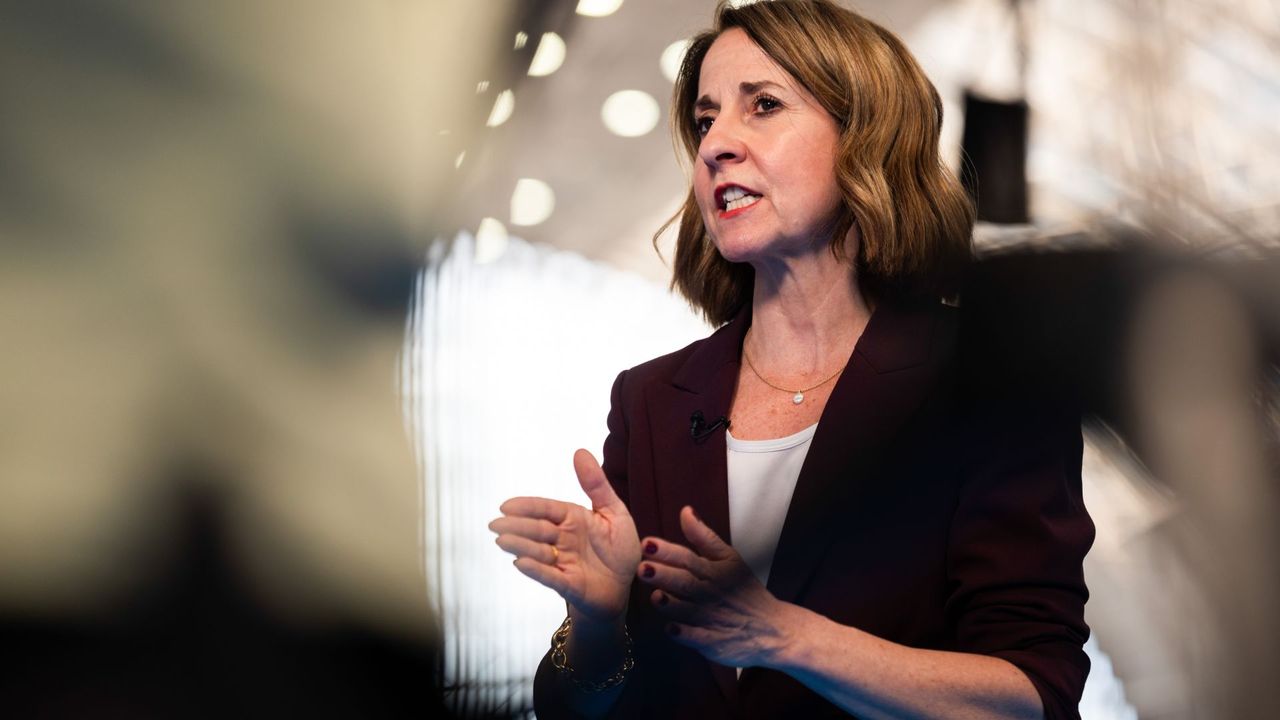
A recent announcement by the British Prime Minister regarding plans to prohibit individuals under the age of 16 from accessing social media platforms has initiated a broader discussion, with growing speculation about potential restrictions on Virtual Private Networks (VPNs). The government is expected to release further details on the proposed ban and its implementation in July, setting the stage for what is anticipated to be a significant policy development.
The Prime Minister's initiative aims to establish a digital boundary for young people, though the specific mechanisms for enforcement and the underlying rationale beyond general child protection have not yet been fully detailed. Such a ban represents a notable step in regulating online access for minors, reflecting an ongoing global conversation about the impact of social media on youth.
However, the proposed age-based restriction immediately raises questions about its practical enforceability. This is where VPNs enter the discussion. VPN technology allows users to mask their internet protocol (IP) address and location, effectively bypassing geographical or network-based content restrictions. Critics and observers alike are pondering whether individuals under 16 might use these tools to circumvent any impending social media ban.
The evolving debate now extends beyond the initial scope of social media access, delving into the complexities of internet freedom, privacy, and the technical challenges of digital regulation. Any move to restrict VPNs could provoke significant pushback from privacy advocates and various sectors of the tech community, given their widespread legitimate uses for security, remote work, and accessing geo-restricted content lawfully.
Stakeholders, including parents, educators, tech firms, and civil liberties organizations, are closely monitoring the situation. The forthcoming announcement in July is highly anticipated, as it is expected to provide clarity on how the government intends to implement the social media ban and whether it will address the potential for circumvention through tools like VPNs.
The UK's approach to this challenge could set a precedent for other nations grappling with similar issues of online safety and age verification. Balancing the imperative to protect young people with the principles of open internet access and personal digital autonomy presents a formidable regulatory puzzle.
As the conversation unfolds, the government faces the task of crafting legislation that is not only effective in achieving its stated goals but also technologically sound and respectful of broader digital rights. The outcome of this debate will undoubtedly shape the future of internet usage for a generation of British youth and potentially influence global digital policy discussions.



Comments (0)
Be the first to comment.
Join the discussion