UK policing minister vows tighter controls on live facial‑recognition cameras
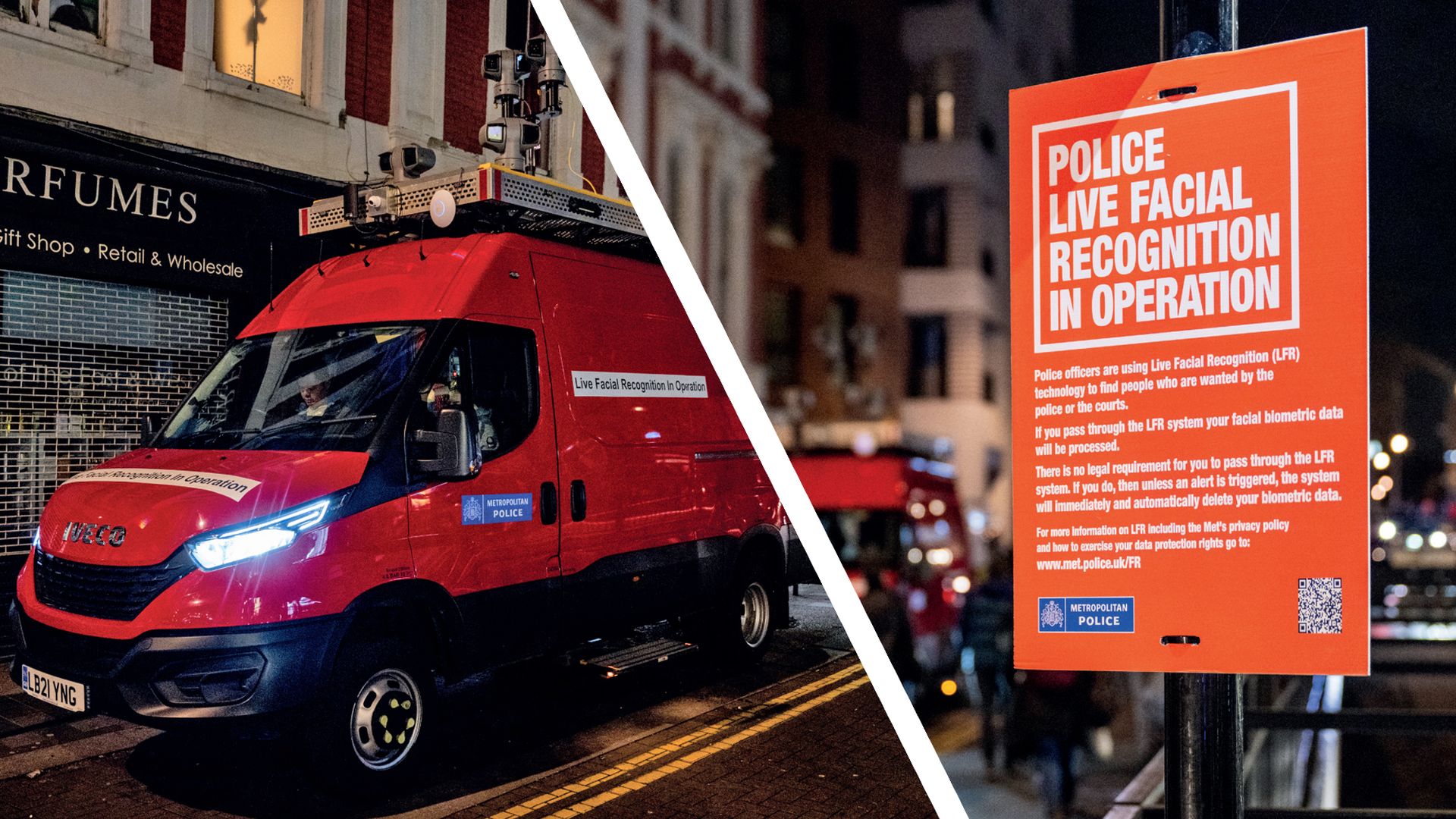
Britain’s policing minister, Sarah Jones, said on Thursday that the government will draft new legislation to tighten the rules governing live facial‑recognition systems used by police forces. The announcement follows a series of public criticisms and a consultation that concluded earlier this year, which examined how the technology is deployed across the United Kingdom. Jones framed the move as a response to concerns that current practices lack clear accountability and could infringe on individual privacy.
Live facial‑recognition cameras have been rolled out by several police forces to identify suspects in real time, often in busy public spaces such as train stations and city centres. Proponents argue the tools can accelerate investigations and deter crime, while opponents warn that the technology can produce false matches and be used indiscriminately. The systems operate by scanning faces against law‑enforcement databases, raising questions about the scope of data collection and storage.
Privacy organisations, including the Open Rights Group and Privacy International, have repeatedly described the cameras as “an indiscriminate tool” that threatens civil liberties. Their campaigns highlight cases where individuals were flagged incorrectly, leading to unnecessary police stops and, in some instances, public embarrassment. The groups have called for a statutory framework that mandates impact assessments, limits retention periods, and requires independent oversight before any deployment.
The public consultation that closed earlier this year gathered input from a broad cross‑section of stakeholders, ranging from community groups to technology experts. While a majority of respondents expressed support for the potential safety benefits of facial‑recognition, they also demanded clearer safeguards. The government’s summary of the consultation noted that respondents were particularly concerned about the lack of transparent criteria for when and where the cameras could be used.
Jones indicated that the forthcoming regulations will likely include mandatory reporting of each deployment, strict limits on data sharing, and a requirement for judicial or independent review before live scans are authorised. Lawmakers are expected to debate the proposals in the coming months, with the Home Office promising a “balanced” approach that protects both public safety and fundamental rights. If passed, the new rules could set a precedent for other European nations grappling with the same technology, and they may shape future court decisions on the admissibility of facial‑recognition evidence.



Comments (0)
Be the first to comment.
Join the discussion