UAE and Saudi Arabia Account for Half of Gulf’s Cyberattacks in Early 2026
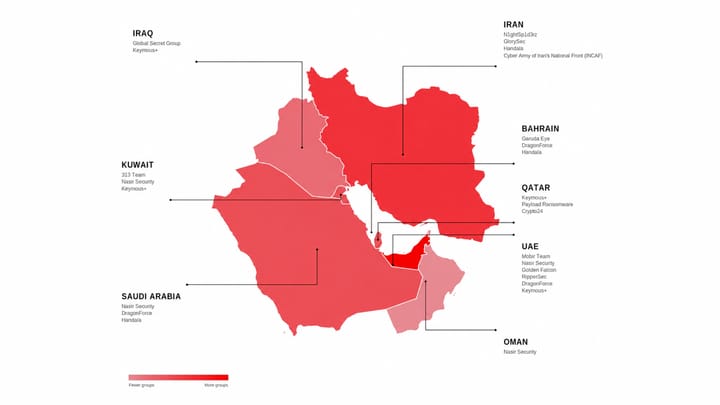
Dark Reading reports that the United Arab Emirates and the Kingdom of Saudi Arabia together absorbed 50% of all cyber incidents logged across the Gulf region during the first half of 2026, underscoring the growing concentration of digital threats on the peninsula.
The two economies have accelerated digital transformation in recent years, integrating cloud services, smart‑city platforms and automated oil‑and‑gas operations. That rapid modernization, while boosting efficiency, has also expanded the attack surface for malicious actors seeking to exploit high‑value assets and data.
Analysts note that the attacks targeting the Gulf have become markedly more sophisticated. Rather than simple phishing lures, threat groups are deploying multi‑vector campaigns that combine zero‑day exploits, supply‑chain compromises and ransomware payloads designed to evade traditional security tools. The complexity of these operations suggests involvement of well‑resourced actors, possibly state‑backed, who can tailor techniques to the region’s specific infrastructure.
In response, both governments have stepped up cybersecurity measures. Initiatives include the establishment of joint cyber‑defense centers, increased funding for threat‑intelligence sharing, and tighter regulatory requirements for critical‑infrastructure operators. Private‑sector partners are also being encouraged to adopt advanced detection platforms and conduct regular red‑team exercises to test resilience.
Looking ahead, experts caution that the trend of escalating attacks is unlikely to reverse without sustained cooperation. Regional coordination, investment in skilled cyber workforces and the adoption of emerging defensive technologies will be crucial to mitigate future risks and protect the Gulf’s economic lifelines.



Comments (0)
Be the first to comment.
Join the discussion