U.S. Methane Levels Remain Unchanged Even as Oil and Gas Output Rises, Study Finds
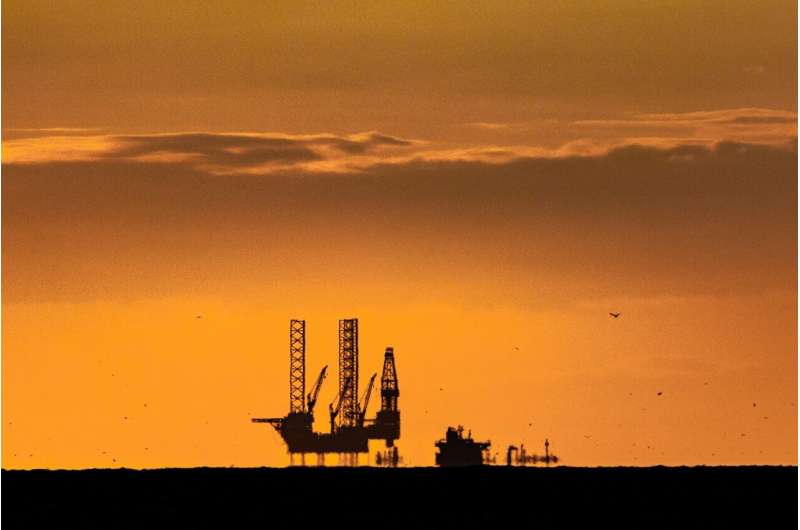
New research from Johns Hopkins University shows that methane emissions from the United States oil and gas sector did not increase over a recent reporting period, despite a measurable rise in overall production of oil and natural gas.
The analysis, which examined emissions data collected during a time of intensified regulatory scrutiny, found that the total amount of methane released into the atmosphere remained essentially flat. This outcome contrasts with the sector’s higher output levels, suggesting that recent policy measures may be curbing the pollutant even as extraction activity expands.
Methane, a greenhouse gas about 28 times more potent than carbon dioxide over a 100‑year horizon, has been a focal point for climate‑policy makers because it accounts for a sizable share of U.S. emissions. Federal and state agencies have introduced tighter leak‑detection requirements, stricter venting rules, and incentives for capturing gas that would otherwise be released.
Industry representatives have argued that production growth naturally leads to higher emissions, but the Johns Hopkins findings indicate that compliance with the newer standards may be offsetting that trend. The study did not attribute the flat emissions to any single regulation, but it highlighted the cumulative effect of measures introduced in the past few years, including the EPA’s updated methane rules and state‑level initiatives targeting high‑risk sites.
Environmental groups have welcomed the data as evidence that targeted regulation can deliver climate benefits without stalling energy development. However, they caution that maintaining the status quo will require continued enforcement and possibly further tightening of standards, especially as the United States aims to meet its commitments under the Paris Agreement.
Analysts note that the next step will be monitoring whether the plateau persists as production continues to climb and as the industry adopts emerging technologies such as infrared cameras and automated leak‑repair systems. If emissions remain stable, the sector could serve as a model for balancing energy needs with climate objectives; if they rise, policymakers may need to revisit the regulatory framework.


Comments (0)
Be the first to comment.
Join the discussion