U.S. Probe Links Singapore AI Cloud Executive to Possible Chinese Espionage Over Illegal Nvidia Chip Sales
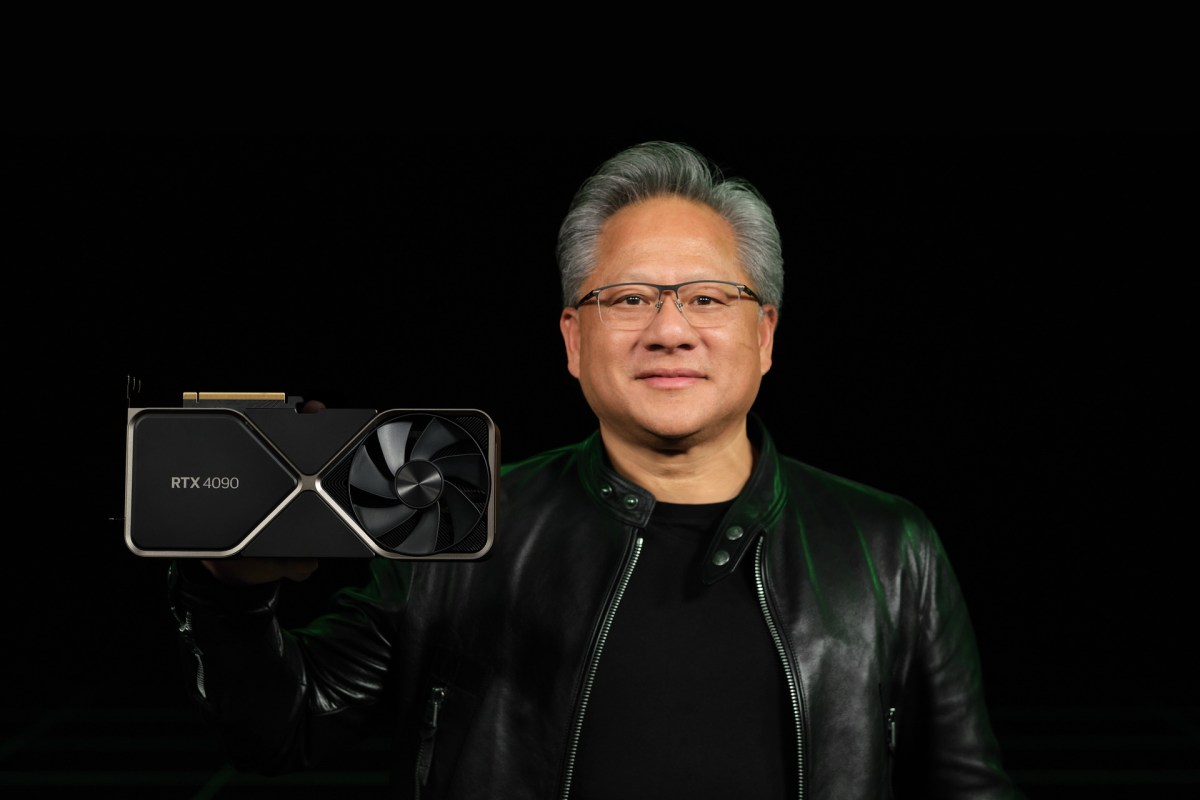
Federal investigators in the United States have opened a probe into a senior executive of a Singapore‑based artificial‑intelligence cloud provider, suspecting that the individual may have acted as an intelligence operative for China while facilitating the illicit export of Nvidia graphics processing units to the Asian market.
The executive, whose name has not been disclosed, is alleged to have overseen the transfer of Nvidia chips that are subject to strict U.S. export controls because of their advanced AI capabilities. According to sources cited by the New York Times, the company was accused of moving the hardware to Chinese customers in violation of those regulations, a move that could give Beijing a technological edge in emerging AI applications.
U.S. authorities, including the Department of Justice and the Commerce Department's Bureau of Industry and Security, are reportedly examining whether the executive acted on behalf of Chinese intelligence services. The suspicion stems from communications and financial patterns that suggest coordination with entities linked to Beijing, though no formal charges have been filed at this stage.
The investigation arrives amid a broader crackdown on technology transfers that Washington deems risky to national security. Over the past few years, the United States has tightened licensing requirements for high‑performance chips, citing concerns that they could be repurposed for military or surveillance uses. Singapore, a major hub for cloud services and data centers, has become a focal point for regulators seeking to trace the flow of sophisticated hardware to China.
If the allegations are substantiated, the Singapore firm could face significant penalties, including fines, export bans, and potential restrictions on its ability to operate in the United States. The executive could also confront criminal charges ranging from export violations to espionage, depending on the evidence gathered.
Lawmakers and industry analysts say the case underscores the challenges of policing a global supply chain where cutting‑edge components are often shipped across multiple jurisdictions. As the probe continues, officials are expected to coordinate with Singaporean counterparts and may consider broader policy measures to tighten oversight of AI‑related exports. The outcome could shape future enforcement actions and influence how multinational cloud providers manage compliance with U.S. export rules.


Comments (0)
Be the first to comment.
Join the discussion