Travelers Can Pack Game Consoles Without Hassle, But Screening Rules Vary
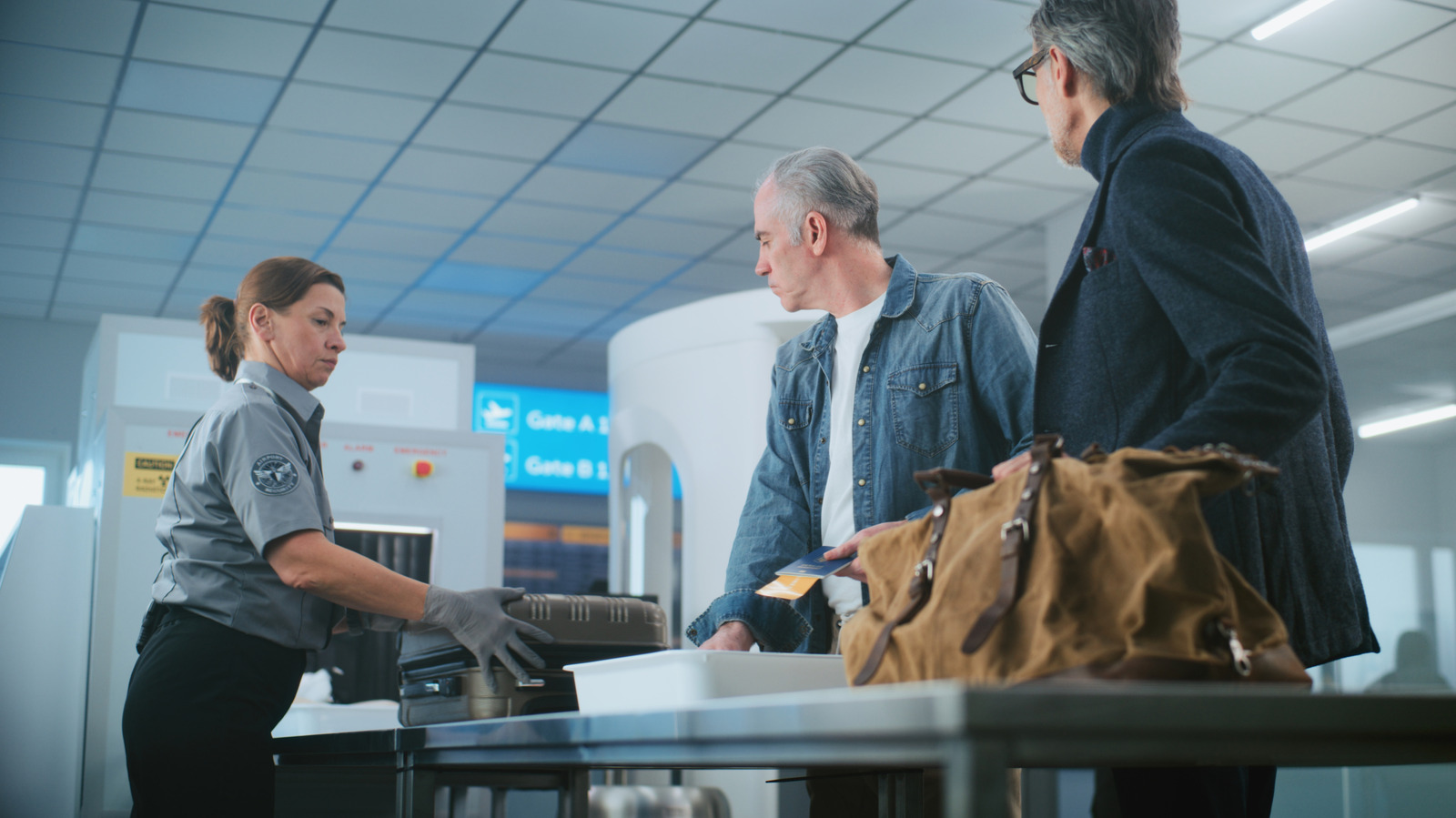
Gamers heading to the airport can breathe a sigh of relief: the Transportation Security Administration does allow video-game consoles to pass through security checkpoints, though the exact steps depend on the size of the device and the policies of the individual airport.
In most cases, a console can be placed in the same bin as a laptop or tablet and sent through the X‑ray machine. Larger systems, such as home‑console bundles that include multiple controllers, power cords or external hard drives, may be flagged for a secondary inspection, during which an officer could ask the traveler to open the case for a closer look.
Airports differ in how rigorously they enforce these checks. Smaller regional hubs often handle electronics with a quick visual scan, while larger international terminals may have dedicated lanes for oversized electronics or require travelers to remove the device from its bag entirely. The TSA’s guidance emphasizes that any item that cannot be clearly seen on the X‑ray image could be subject to additional screening, regardless of its category.
The issue has grown in relevance as portable gaming has surged in popularity. With handheld consoles and cloud‑gaming services making it easier to play on the go, more passengers are bringing their rigs onto flights. Knowing the procedural nuances can prevent delays, especially during peak travel periods when security lines are longer.
Practical advice for gamers includes powering down the console, unplugging accessories, and packing the system in a clear, easily removable bag. Keeping the device’s documentation handy can also smooth the process if a TSA officer requests verification. Travelers are encouraged to review the latest TSA guidelines online before departure, as rules can shift with emerging security technologies.
Looking ahead, the TSA is exploring ways to streamline the handling of electronic devices, including potential upgrades to X‑ray imaging that could reduce the need for manual checks. Until such changes are widely implemented, the safest approach remains preparation: know the size limits of your gear, be ready to separate it from other items, and allow a few extra minutes at the checkpoint to accommodate any additional inspection.



Comments (0)
Be the first to comment.
Join the discussion