Touchscreen Laptops vs. Tablets: Weighing the Benefits of Each Form‑Factor
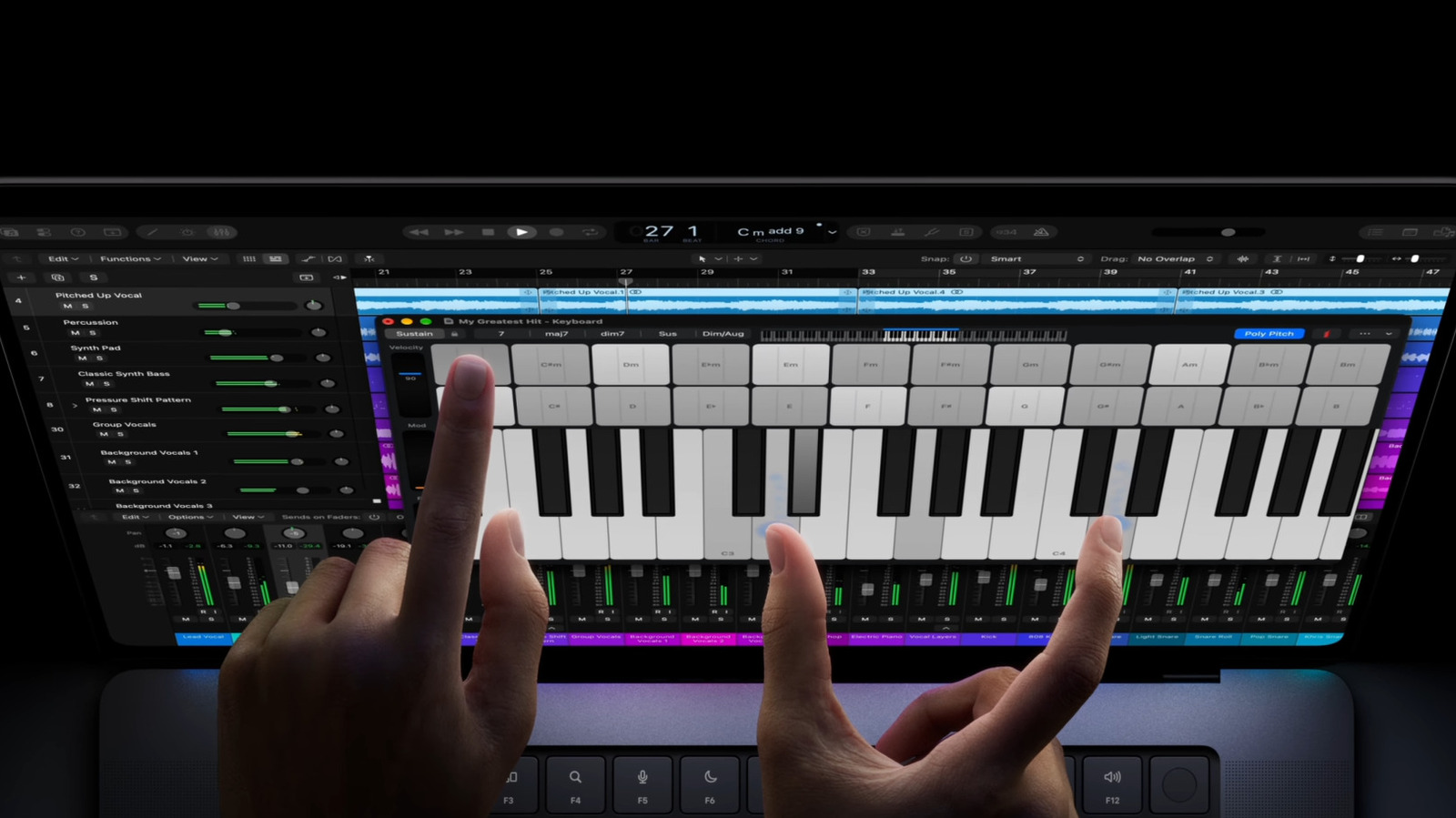
As consumers seek devices that blend mobility with productivity, the debate over whether to invest in a touchscreen laptop or a standalone tablet has sharpened. Both categories now offer touch input, yet they cater to distinct usage patterns, prompting shoppers to ask which platform truly fits their workflow.
Tablets excel in scenarios that prioritize simplicity and a hands‑on experience. Their lightweight design, long battery life, and operating systems optimized for touch make them ideal for media consumption, web browsing, and apps that rely heavily on gestures. For students and professionals who spend most of their time reading, annotating PDFs, or using stylus‑friendly creative tools, a tablet can often deliver the required functionality with fewer moving parts.
Conversely, a touchscreen laptop merges the tactile advantages of a tablet with the full capabilities of a traditional desktop operating system. Users retain access to robust software suites, multitasking with multiple windows, and peripheral connectivity that tablets sometimes lack. This hybrid approach is especially valuable for workers who need to run complex applications—such as code editors, spreadsheet programs, or design software—while still appreciating the option to interact directly with the screen.
The choice also hinges on ergonomics. Laptops provide a built-in keyboard and a stable base, reducing the strain associated with prolonged handheld use. When the screen is flipped into tablet mode, the same device can serve as a sketchpad or presentation tool, offering flexibility that a pure tablet cannot match without additional accessories.
Price points further influence decision‑making. High‑end tablets equipped with premium accessories can approach the cost of a mid‑range touchscreen laptop, yet the latter often bundles the keyboard and trackpad, delivering a more complete out‑of‑the‑box solution. Consumers must weigh whether they value the modular nature of a tablet ecosystem—where keyboards, stands, and styluses are sold separately—or prefer the integrated package of a convertible laptop.
Industry analysts suggest that the market will continue to see convergence, with manufacturers blurring the lines between the two formats. As software becomes increasingly touch‑aware and hardware designs grow thinner, the differentiation may rest less on form factor and more on the specific tasks users intend to perform. For now, buyers should assess their primary needs—whether they lean toward casual, touch‑centric activities or require the full power of a laptop—to determine which device offers the best return on investment.



Comments (0)
Be the first to comment.
Join the discussion