European Microchips Fuel Russian Drone Arsenal Amid Sanctions Challenge
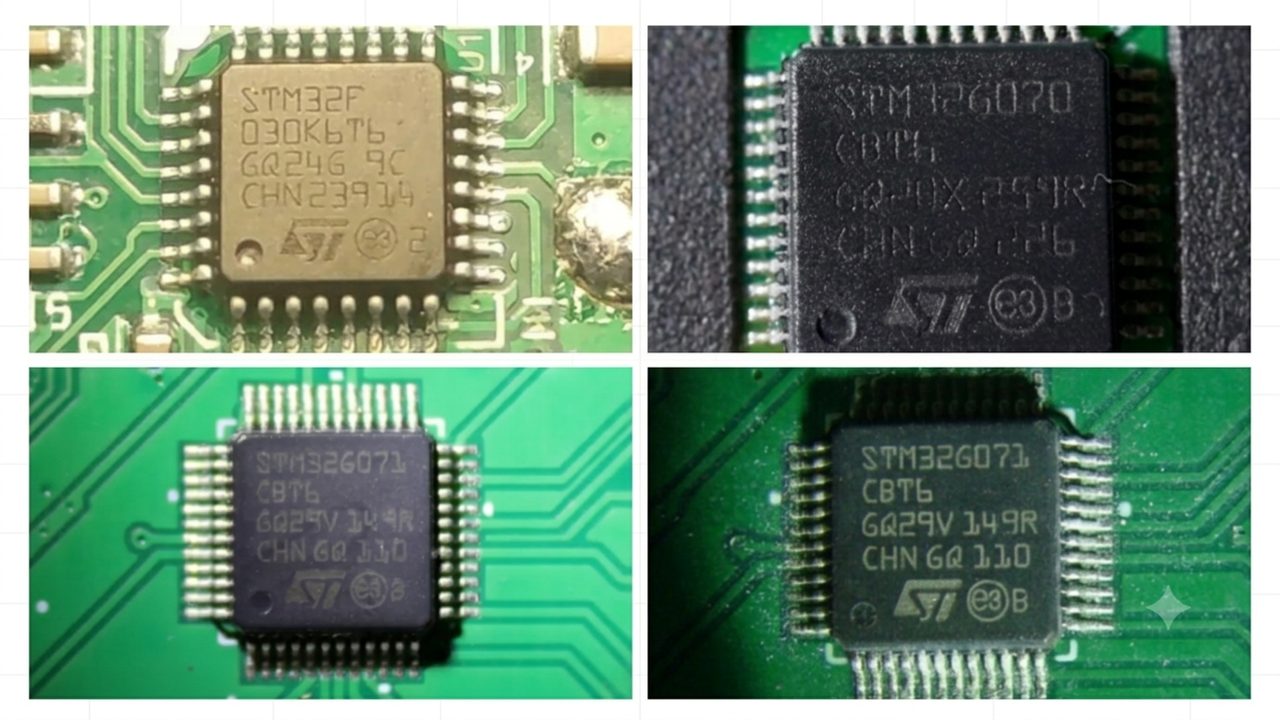
Despite extensive international sanctions aimed at curbing Russia's military capabilities, compact European-made microchips are consistently being discovered inside thousands of lethal Russian drones. This ongoing presence highlights a significant and persistent challenge in controlling the flow of critical technology through complex global trade networks.
Reports indicate that STM32 series microcontrollers, alongside other European-designed components, are frequently found embedded within these unmanned aerial vehicles. The widespread detection of these vital electronic components underscores the effectiveness of illicit supply chains in circumventing export controls, providing Russia with essential technology for its military operations.
A key enabler in this circumvention appears to be Chinese supply chains. These networks are reportedly facilitating the transfer of components originally designed for civilian applications, rerouting them to military end-users in Russia. This intricate web of trade makes it incredibly difficult for international bodies and individual nations to track and intercept the dual-use technology.
The inherent nature of dual-use technology—items with both legitimate civilian and potential military applications—poses a profound dilemma for enforcement agencies. While these microchips are integral to consumer electronics and industrial machinery worldwide, their compact size and versatility also make them highly valuable for military hardware, including advanced weaponry.
The continued appearance of these components, including a specific Swiss-designed microcontroller noted in findings, raises serious questions about the efficacy of current sanctions regimes. Despite concerted efforts to isolate Russia economically and technologically, the porous nature of global trade means that certain critical items continue to reach their intended destinations through clandestine routes.
Governments and international organizations are grappling with how to tighten controls without disrupting legitimate global commerce. The sheer volume and complexity of global trade transactions, combined with the often-minimal paper trail for individual components, present formidable obstacles to effective enforcement.
This situation highlights a broader vulnerability in the global technology ecosystem, where the free movement of goods can inadvertently arm adversaries. Addressing this challenge will likely require intensified international cooperation, more robust intelligence sharing, and potentially innovative approaches to tracking components beyond their initial point of sale.
The ongoing struggle to prevent European microchips from powering Russian drones serves as a stark reminder of the sophisticated and adaptable nature of illicit trade networks, and the enduring difficulty in enforcing technology controls in an interconnected world.


Comments (0)
Be the first to comment.
Join the discussion