Enzyme UBE2N Shows Promise as Natural Shield Against Fatty Liver Progression
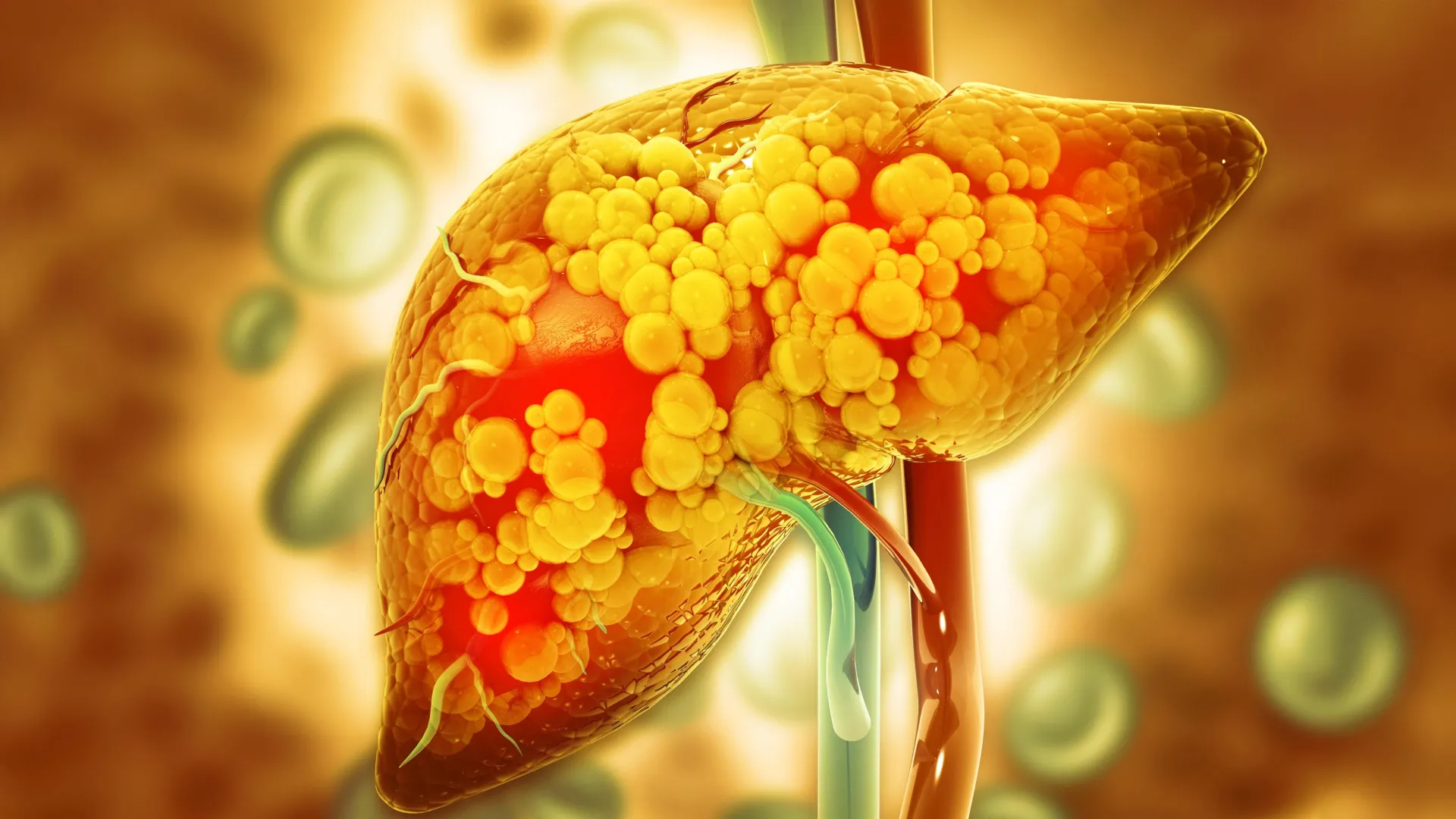
Researchers have pinpointed a cellular enzyme that appears to protect the liver from the aggravation of fatty liver disease, a condition that now impacts roughly 100 million people across the United States. The protein, known as UBE2N, is implicated in the removal of malfunctioning mitochondria and the breakdown of excess fat within liver cells, offering a potential internal mechanism to halt disease advancement.
The study, reported through ScienceDaily, highlights UBE2N's role in a process called mitophagy, wherein damaged mitochondrial components are identified and eliminated. By clearing these faulty power plants, the enzyme helps maintain cellular energy balance and prevents the buildup of toxic by‑products that can trigger inflammation and fibrosis in hepatic tissue.
Non‑alcoholic fatty liver disease (NAFLD) has risen to become the most common chronic liver disorder in the nation, often linked to obesity, insulin resistance and sedentary lifestyles. While lifestyle changes remain the primary recommendation, effective pharmacological options are limited, prompting scientists to explore the body's own regulatory pathways for therapeutic leads.
The findings suggest that boosting UBE2N activity, either through drug development or genetic approaches, could reinforce the liver's innate ability to manage lipid overload and mitochondrial stress. However, the research is still in early stages, and further animal studies and human trials will be required to determine safety, optimal dosing and long‑term outcomes.
If subsequent investigations confirm these initial results, UBE2N‑targeted interventions might become a cornerstone in preventing the transition from simple steatosis to more severe forms such as non‑alcoholic steatohepatitis (NASH) and cirrhosis, potentially reducing the clinical burden on a healthcare system already strained by metabolic disease.


Comments (0)
Be the first to comment.
Join the discussion