Crowded Home Wi‑Fi Can Stall Connections, But Simple Tweaks May Help
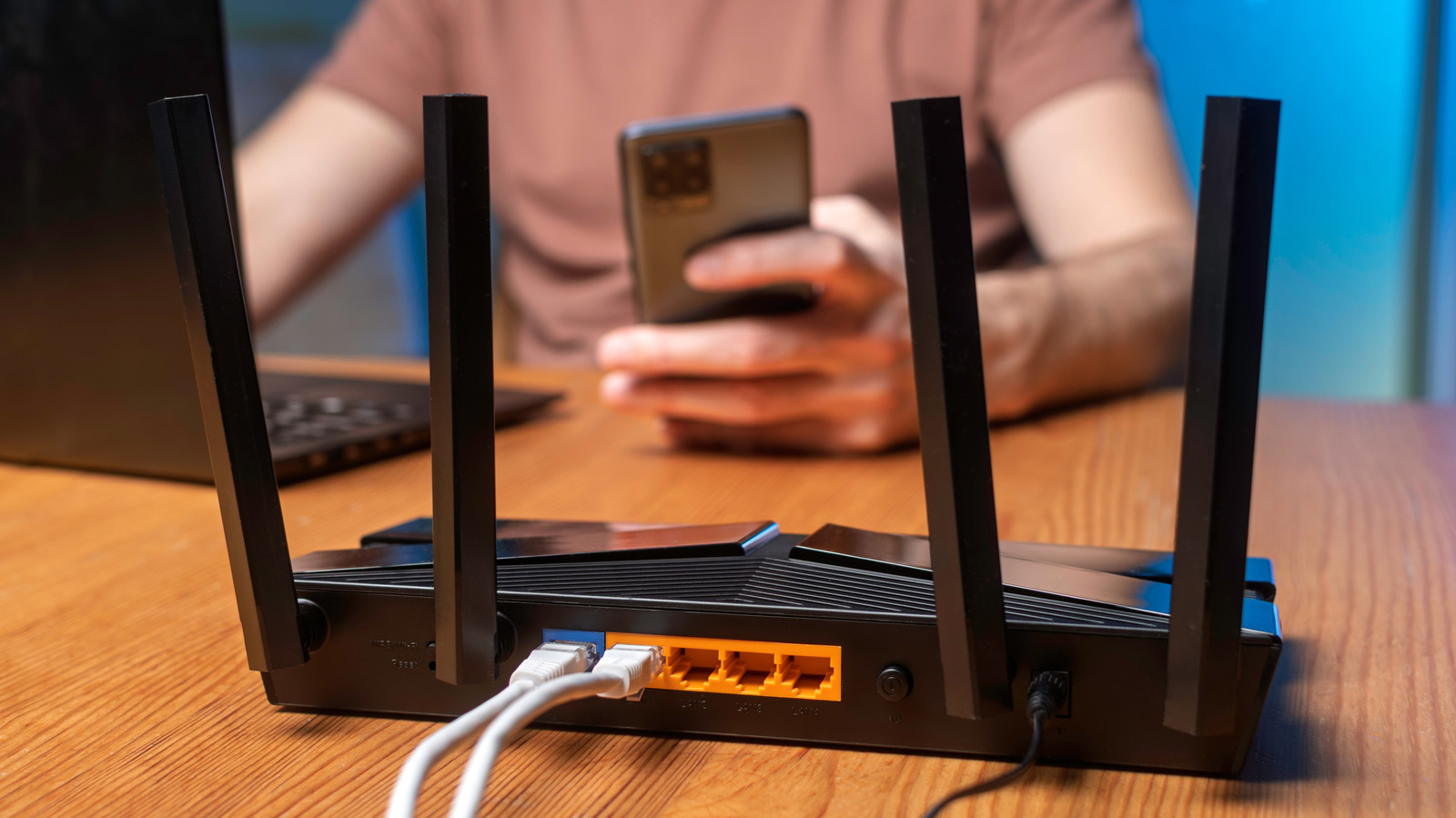
As households fill with smartphones, tablets, laptops, smart TVs and an ever-growing array of Internet‑of‑Things gadgets, many families are noticing that their home internet feels slower or drops out altogether. The surge in simultaneous device usage can overwhelm typical consumer routers, leading to buffering video, laggy gaming sessions and interrupted video calls—all without any change in the broadband plan.
The underlying issue is that most residential routers allocate bandwidth on a first‑come, first‑served basis. When dozens of devices compete for the same wireless channel, especially on the crowded 2.4 GHz band, packets can collide and retransmissions increase latency. Modern streaming services, cloud backups and firmware updates all consume significant data streams, and the router’s hardware may lack the processing power to manage them efficiently, resulting in a bottleneck at the point of access.
Experts suggest several low‑cost adjustments that can ease the strain. Relocating the router to a central, elevated spot reduces physical obstructions and improves signal distribution. Switching to the 5 GHz band, where available, offers more channels and less interference from neighboring networks. Enabling built‑in Quality of Service (QoS) settings lets users prioritize latency‑sensitive traffic such as video calls or gaming over background tasks like software updates. Staggering large downloads to off‑peak hours and disabling automatic updates on devices that are not in active use can also free up bandwidth.
For devices that demand consistent high speeds, a wired Ethernet connection remains the most reliable option and does not require additional monthly fees. Simple actions such as unplugging or turning off idle smart devices, updating router firmware to the latest version, and resetting the router periodically can restore performance without purchasing new hardware. In many cases, these steps resolve connectivity complaints without the need for a more expensive router upgrade.
Understanding how device density affects home networks is increasingly important as remote work, online education and streaming become routine. While internet service providers may eventually offer higher‑speed packages, many households can achieve smoother online experiences by optimizing their existing setup. As the number of connected gadgets continues to climb, awareness of these practical measures will help users maintain reliable connectivity without extra financial outlay.



Comments (0)
Be the first to comment.
Join the discussion