NASA Seeks Public Input on Hubble’s Final Fate as Its Orbital Life Nears End
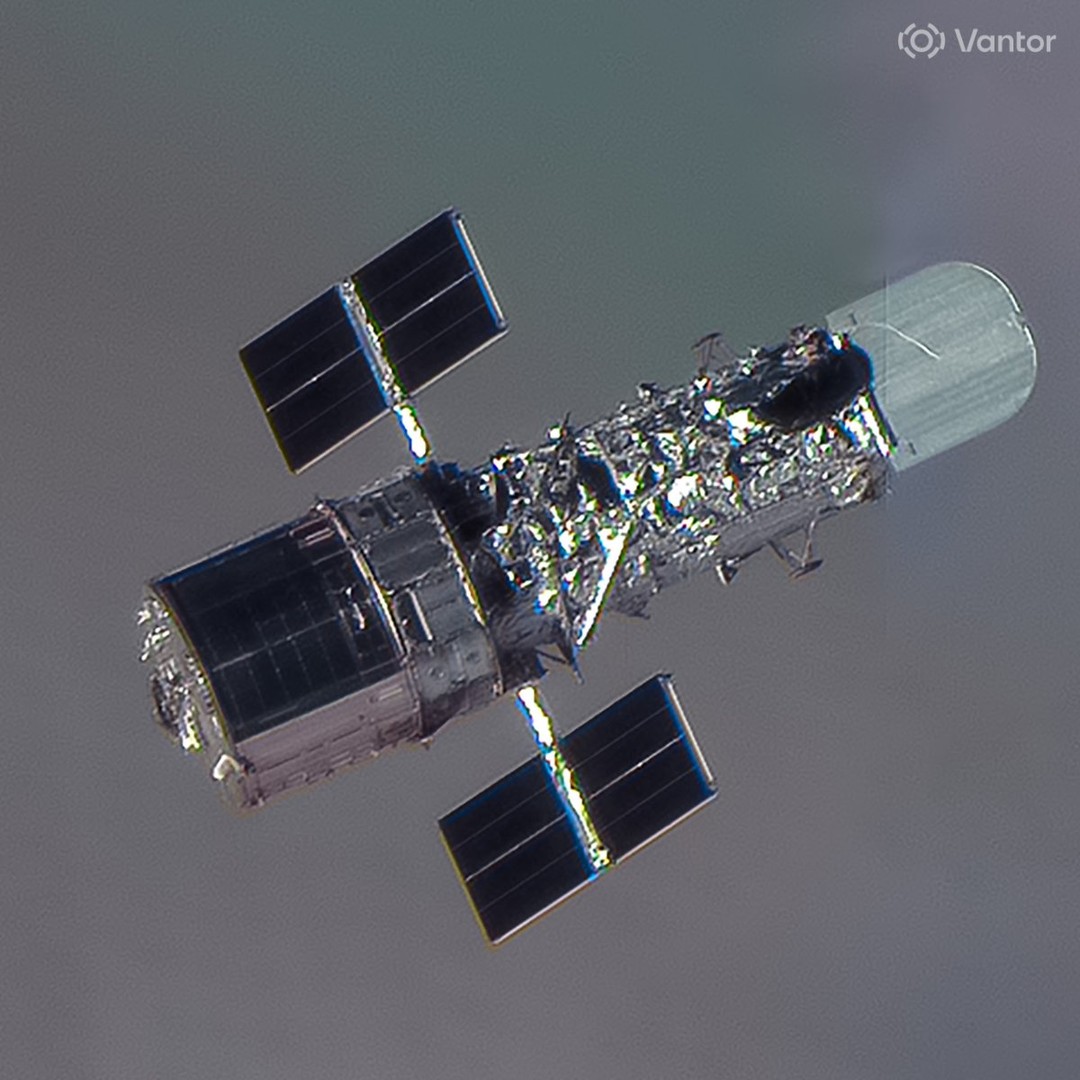
After more than three decades of groundbreaking observations, the Hubble Space Telescope is approaching the end of its operational life. NASA officials have opened a public consultation to explore options for the aging observatory, which will inevitably re‑enter Earth’s atmosphere sometime in the early to mid‑2030s if no further action is taken.
Launched in 1990, Hubble has become synonymous with modern astronomy, delivering images that reshaped our view of the cosmos and providing data that underpins countless scientific papers. However, the telescope’s aging gyroscopes, reaction wheels, and other mechanical components have reduced its maneuverability, limiting its ability to point precisely at new targets and making routine maintenance increasingly difficult.
The agency’s latest request for information asks scientists, engineers, and the public to weigh the merits of several possible courses: de‑orbiting the telescope in a controlled manner, leaving it to burn up naturally, or attempting a final servicing mission using newer robotic technology. Each scenario carries distinct technical challenges and budgetary implications, and the consultation aims to gather a broad spectrum of perspectives before a decision is finalized.
Experts caution that an uncontrolled re‑entry could pose risks, although the odds of debris reaching populated areas are low. A controlled descent, by contrast, would require a dedicated launch vehicle and precise navigation to steer the spacecraft into a remote part of the ocean. Meanwhile, a robotic refurbishment could extend Hubble’s scientific contributions for a few more years, but would demand significant development work and funding that may compete with other priority missions such as the James Webb Space Telescope and upcoming planetary probes.
The outcome of this deliberation will shape the legacy of one of humanity’s most celebrated scientific instruments. As NASA balances fiscal constraints with the desire to maximize the return on its historic investment, the public’s input could influence whether Hubble ends its service quietly, makes a final heroic return to Earth’s atmosphere, or receives a last technological boost to keep exploring the universe a little longer.
Comments (0)
Be the first to comment.
Join the discussion