Anime Icon's Elasticity Inspires Name for Recently Discovered Beetle Genus
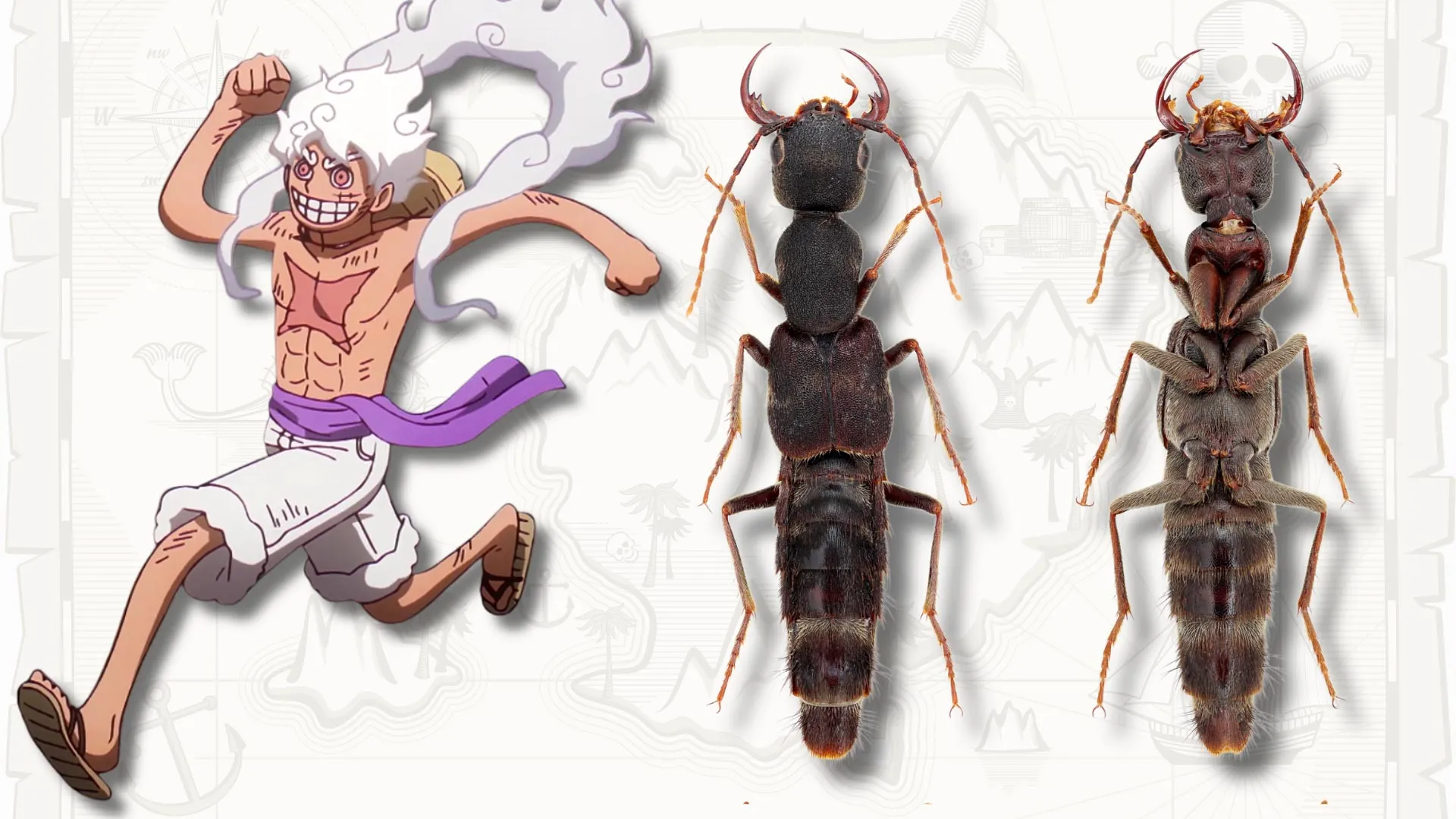
A newly identified genus of beetles has received a distinctive name, 'Luffy,' a tribute to the famously elastic protagonist of the popular Japanese manga and anime series, One Piece. Scientists chose the moniker for the insects due to their unusually elongated physical features, which evoke the fictional character's rubber-like abilities.
Researchers observed that the beetles possess remarkably long and slender mandibles, antennae, and mouthparts. These unique anatomical characteristics are reminiscent of Monkey D. Luffy's signature power to stretch and extend his body, a core element of the beloved animated saga.
The naming of newly discovered species and genera is a crucial part of biological classification, helping scientists categorize and understand the vast diversity of life on Earth. While many scientific names adhere to traditional Latin or Greek roots, or honor notable scientists, a growing trend sees researchers drawing inspiration from popular culture, connecting their discoveries to a wider audience.
This particular choice highlights a creative approach to taxonomy, where the physical attributes of an organism find a parallel in contemporary storytelling. It serves as a memorable way to draw attention to the unique morphology of these beetles, ensuring their distinctive traits are instantly associated with a widely recognized cultural phenomenon.
The discovery itself contributes valuable data to the field of entomology and biodiversity. Each new genus identified expands our understanding of ecosystems, evolutionary pathways, and the intricate web of life. Such findings often reveal previously unknown adaptations and provide insights into how different species interact within their environments.
For the scientific community, the 'Luffy' beetles offer a new subject for study, potentially revealing more about insect physiology, feeding mechanisms, and ecological roles. Their unique elongated features could be adaptations to specific food sources, habitats, or defensive strategies, prompting further investigation into their behavior and biology.
As research progresses, scientists will continue to explore the full extent of this new genus, potentially identifying individual species within it and uncovering more about their distribution and ecological significance. The 'Luffy' beetles stand as a testament to the ongoing exploration of our planet's hidden biodiversity, now with a touch of modern pop culture flair.


Comments (0)
Be the first to comment.
Join the discussion