Many PS5 Owners May Be Missing Out on Full Visual Performance Due to HDMI Port Choice
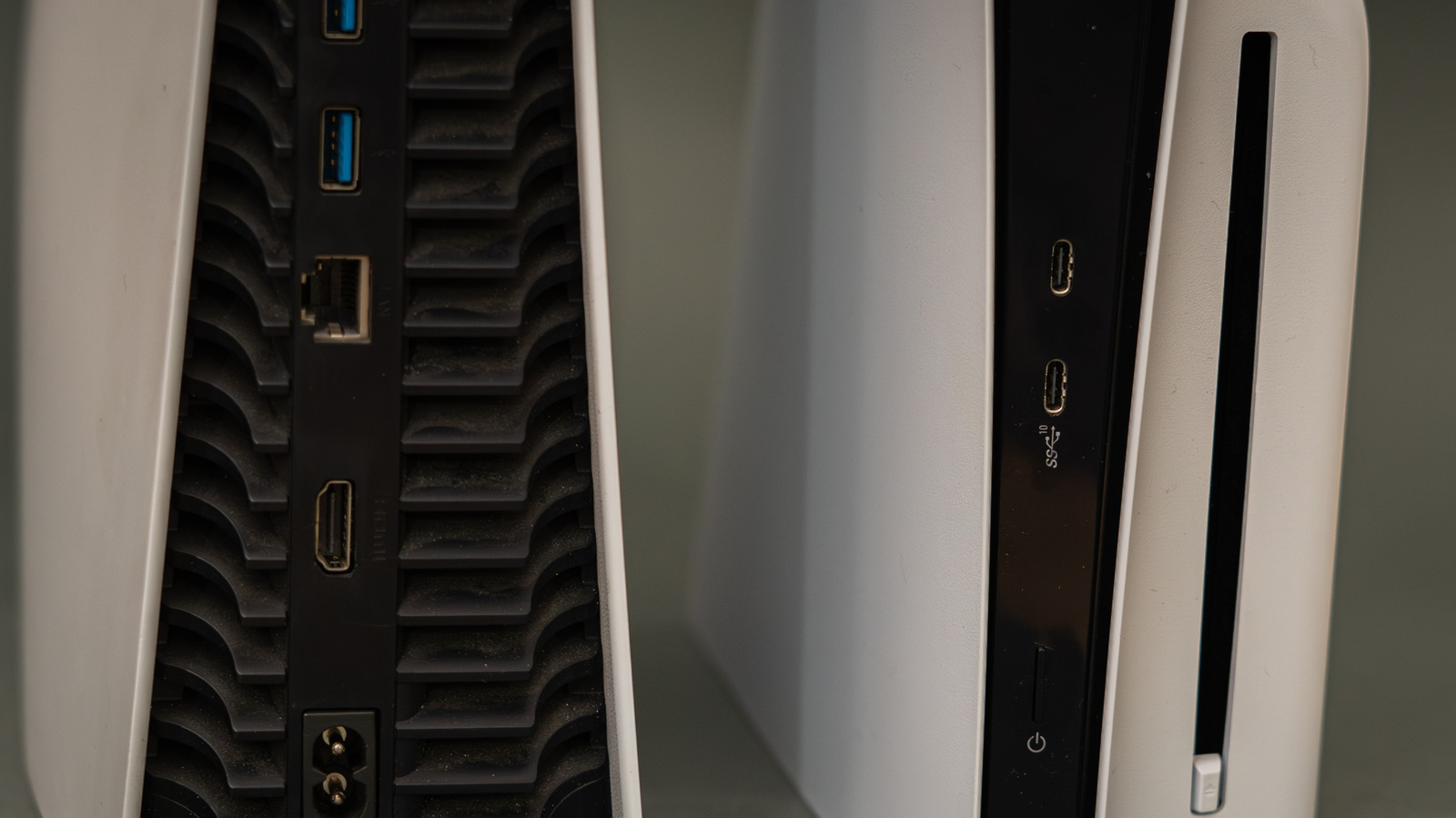
Gamers who have recently set up a PlayStation 5 might be surprised to learn that the console’s most impressive visual features are not automatically available on every HDMI connection, a detail that could be limiting the experience for many users.
Modern televisions typically offer several HDMI inputs, but not all of them are built to the same specification. While older ports may still carry a high‑definition signal, only those that conform to the HDMI 2.1 standard can handle the full bandwidth required for the PS5’s top‑tier output options.
The PS5 is engineered to deliver up to 4K resolution at 120 Hz, high dynamic range (HDR), variable refresh rate (VRR) and other enhancements such as Auto Low‑Latency Mode (ALLM). Each of these features depends on a data rate of up to 48 Gbps, which only HDMI 2.1 ports can sustain. When the console is connected to a legacy HDMI 2.0 or lower port, the signal is automatically throttled to 4K 60 Hz or even 1080p, and advanced features like VRR are disabled.
Manufacturers usually label the appropriate input on the TV chassis or in the user manual, often using tags like “HDMI 2.1,” “120 Hz,” or a specific port number (commonly HDMI 1 on newer models). Checking the specifications sheet or the TV’s on‑screen menu can confirm whether a given port supports the necessary bandwidth. If the TV lacks a dedicated HDMI 2.1 input, users may need to use an external HDMI‑2.1‑compatible switch or consider upgrading the display to unlock the console’s full potential.
Connecting the PS5 to a non‑HDMI 2.1 port does not prevent the console from functioning; games will still run, and basic HDR will be visible. However, the experience can feel noticeably less fluid, especially in fast‑paced titles that benefit from higher frame rates and reduced input lag. Adjusting the cable to the correct port is a quick fix that can restore the advertised performance without additional hardware.
As next‑generation consoles and high‑performance PCs continue to adopt HDMI 2.1, the distinction between ports is likely to become a more common consideration for consumers. Understanding which input on a television can deliver the full suite of features will help users maximize their hardware investments and avoid the subtle disappointment of a seemingly under‑performing system.



Comments (0)
Be the first to comment.
Join the discussion