Balancing Benefits and Risks: What Sharing Your Phone’s Location Really Means
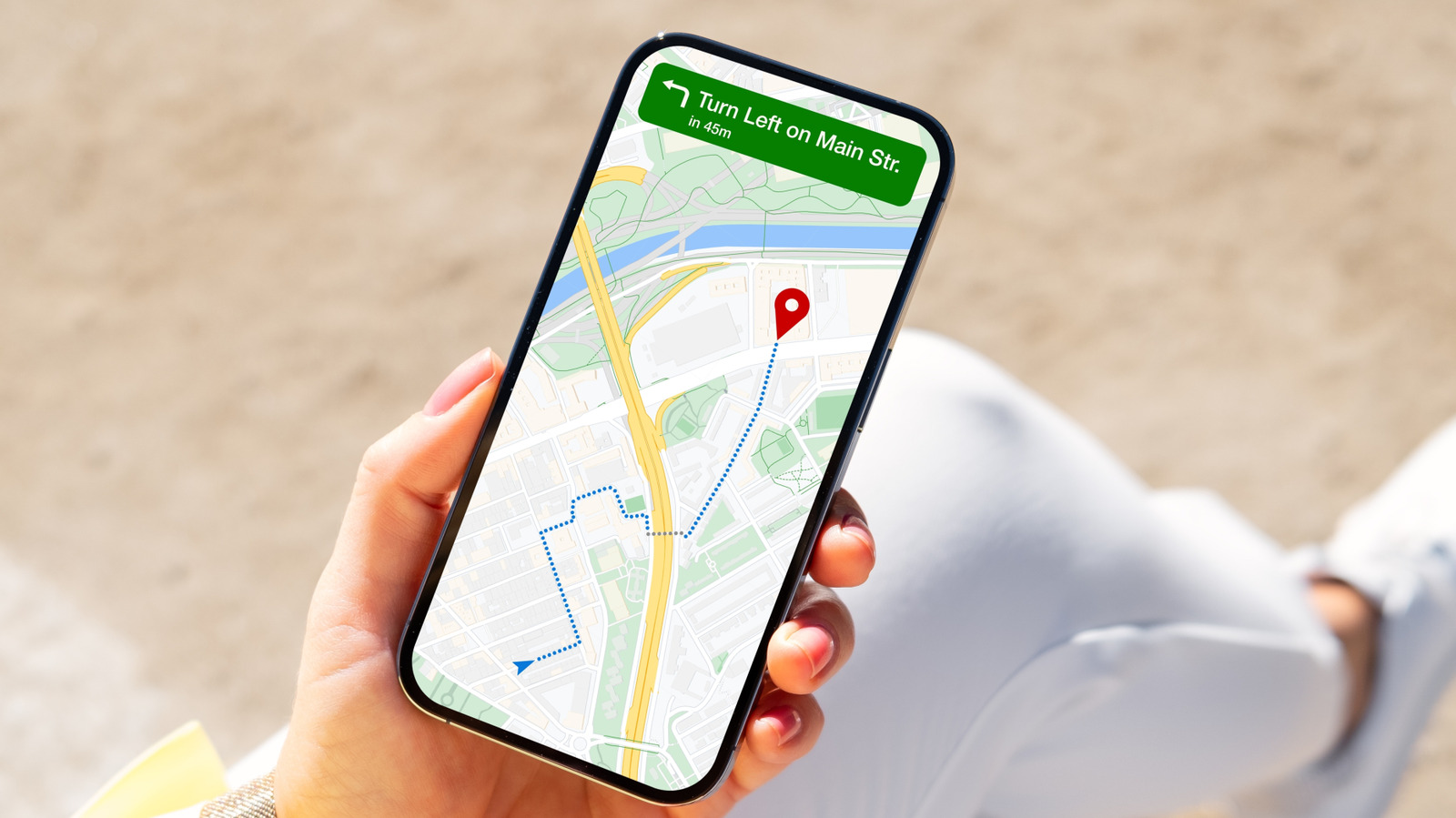
Smartphones and wearable devices now let users broadcast their whereabouts with a tap, a feature that has become a staple of social apps, navigation tools and emergency services. While the convenience of pinpointing a lost backpack or letting friends know you arrived safely is undeniable, the same technology also raises privacy and security concerns that many users overlook.
One of the most celebrated uses of location sharing is its ability to help locate misplaced items. Services that link a device’s GPS to cloud‑based accounts can trigger alerts when a phone, wallet or bike strays beyond a predefined radius, saving owners time and money. Similarly, families use real‑time maps to coordinate meet‑ups, and parents can check on teenage children’s routes without constant phone calls.
Beyond everyday convenience, location data can be a lifesaver in emergencies. Many smartphones automatically send precise coordinates to emergency responders when a 911 call is placed, dramatically improving response times. Some safety‑focused apps also let users broadcast a live location to trusted contacts during a night out, providing an extra layer of protection against potential threats.
However, the same data that aids recovery and safety can be exploited. When users grant apps continuous access to their whereabouts, that information can be harvested for targeted advertising, sold to third‑party data brokers, or inadvertently exposed through security breaches. Even seemingly innocuous location logs can reveal patterns about a person’s habits, workplace, or religious practices, making them attractive to malicious actors.
Legal frameworks such as the European Union’s GDPR and California’s CCPA require companies to disclose how they handle location data, but enforcement varies and many users remain unaware of the extent of data collection. Tech platforms often bundle location permissions with other services, leading to “consent fatigue” where users click “allow” without fully understanding the implications.
Experts recommend a cautious approach: enable location sharing only when needed, limit the time window for active tracking, and regularly audit app permissions. Using built‑in privacy settings to share a coarse location instead of precise coordinates can mitigate risk while preserving functionality. As the digital ecosystem evolves, the balance between convenience and privacy will continue to shape how individuals and regulators view the practice of broadcasting one’s whereabouts.



Comments (0)
Be the first to comment.
Join the discussion