Imported Smartphones Offer Cutting‑Edge Features, but Compatibility Remains a Challenge
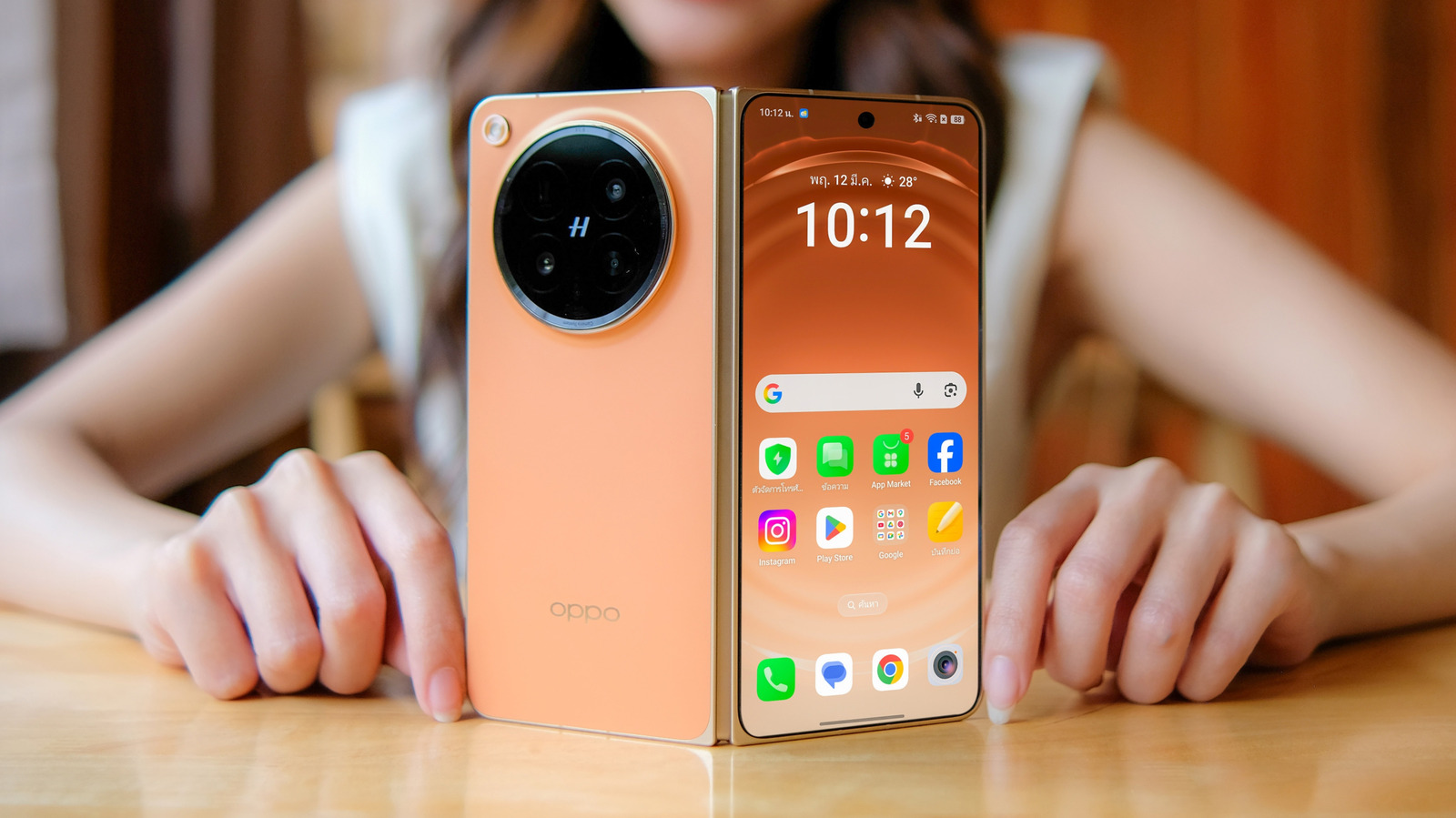
Importing smartphones that are sold abroad is gaining traction among U.S. consumers seeking the latest technology at lower prices, but the practice carries both advantages and notable drawbacks that buyers must weigh before making a purchase.
One clear benefit is access to features that U.S. flagship models often lack. International editions frequently debut cutting‑edge displays, higher‑refresh‑rate screens, advanced camera arrays, or larger batteries months before domestic releases. Because many overseas phones are sold unlocked, shoppers can avoid carrier‑imposed software bloatware and enjoy a more streamlined Android experience. In some cases, price differentials are significant, especially when the same hardware is listed at a premium in the United States.
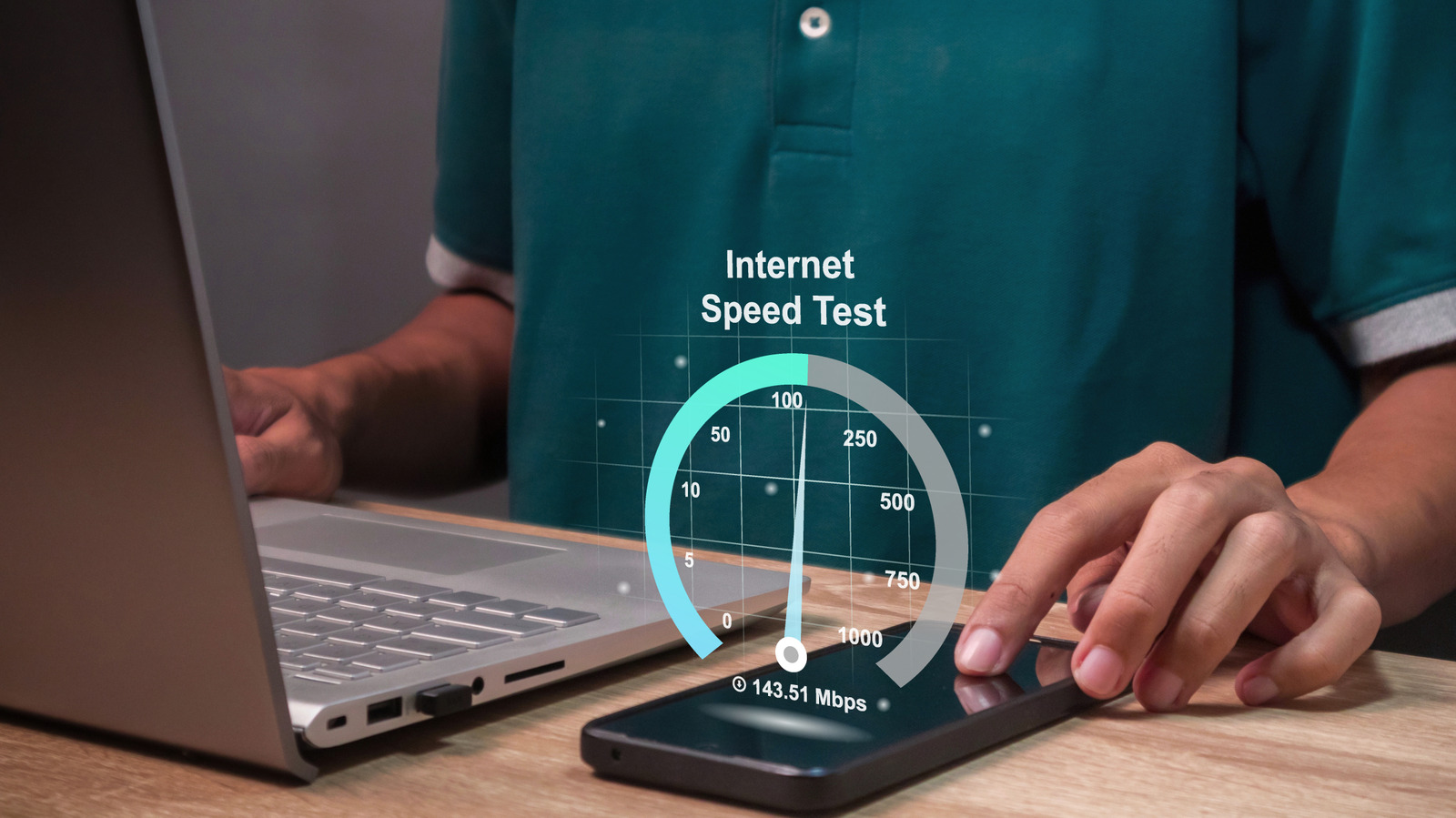
The upside, however, is tempered by technical and regulatory hurdles. Cellular networks in the United States operate on a distinct set of LTE and 5G bands, and a device built for European or Asian markets may omit the frequencies required by major carriers such as Verizon, AT&T, T‑Mobile, or Sprint. As a result, imported phones can experience reduced coverage, slower data speeds, or complete incompatibility with voice and text services. Additionally, manufacturers typically provide software updates only for devices officially sold in the U.S., leaving overseas models without timely security patches.
Prospective buyers can mitigate compatibility risks by cross‑referencing the phone’s band list with the carrier’s published specifications. Tools and databases maintained by enthusiast communities often map which global models work on each U.S. network. Brands like Samsung, OnePlus, and Xiaomi frequently release “global” variants that include the majority of American bands, whereas niche or budget manufacturers may ship hardware that lacks the necessary radios altogether. Some carriers also maintain blocklists for devices that do not meet their security standards, further limiting usability.
Beyond technical concerns, importing a phone raises legal and financial considerations. The Federal Communications Commission requires that every device sold in the United States meet specific emission standards; personal imports for personal use are generally tolerated, but commercial resale without FCC certification can lead to penalties. Customs duties, sales tax, and possible shipping delays add to the total cost, and warranty coverage is usually limited to the country of origin, meaning repairs may require overseas shipping or be outright denied.
Looking ahead, the gap between global and U.S. smartphone offerings is narrowing as carriers expand their band portfolios and manufacturers adopt more universal hardware designs. For consumers willing to do the homework, importing can still deliver cost savings and early access to innovative features. Nonetheless, the decision should be guided by a clear assessment of network compatibility, after‑sales support, and any regulatory obligations, ensuring that the excitement of a new device does not translate into a frustrating, non‑functional purchase.

Comments (0)
Be the first to comment.
Join the discussion