Man Accused of Installing $14 Spy Device in OpenAI Offices Faces Trade‑Secret Charges
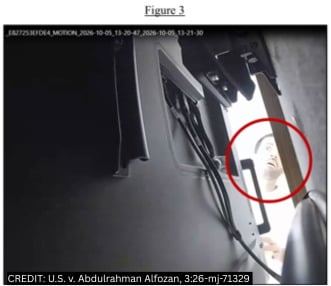
A man has been formally accused of planting a covert listening device inside OpenAI's facilities, an allegation that suggests the cheap gadget may have captured confidential research and development material. Prosecutors say the suspect used a device costing roughly fourteen dollars, yet it functioned with a level of reliability that exceeded expectations for such low‑cost equipment.
The indictment describes the device as a miniature audio recorder capable of transmitting data in real time. Investigators allege that, after placement, the unit successfully recorded conversations and ambient sounds, providing the alleged perpetrator with access to proprietary information that could be classified as trade secrets under U.S. law.
Corporate espionage involving technology firms is not new, but the rapid rise of artificial‑intelligence research has amplified the stakes. Companies like OpenAI invest heavily in proprietary models, datasets, and training techniques that give them competitive advantage. The potential loss of such information could impact product roadmaps, partnership negotiations, and market positioning, prompting heightened concern among industry observers.
OpenAI responded with a brief statement confirming cooperation with law‑enforcement authorities and reaffirming its commitment to safeguarding intellectual property. Legal experts note that the case underscores the vulnerability of even highly secure environments to low‑tech infiltration methods, and they caution that organizations may need to reassess physical security protocols in addition to digital safeguards.
The investigation remains ongoing, with prosecutors indicating that additional evidence may be forthcoming. If convicted, the accused could face penalties ranging from fines to imprisonment, depending on the severity of the alleged trade‑secret theft. The case also serves as a warning to other firms about the plausibility of inexpensive surveillance tools being employed in high‑value espionage scenarios, potentially prompting broader industry discussions on counter‑espionage measures.



Comments (0)
Be the first to comment.
Join the discussion