The Enduring Legacy of Baldur’s Gate: A 1998 RPG That Still Captivates
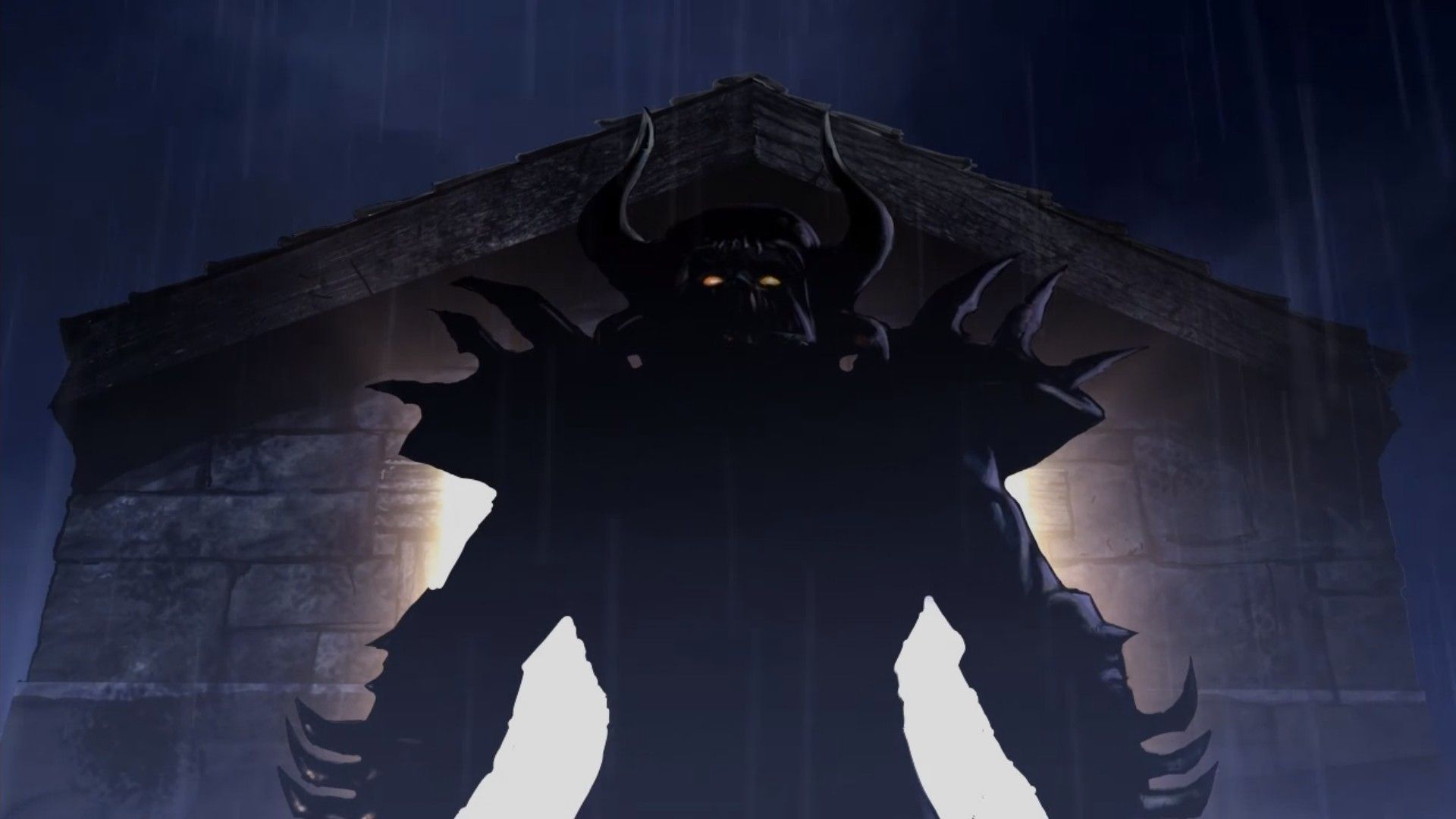
When BioWare released Baldur’s Gate in 1998, it set a new benchmark for computer role-playing games, blending deep storytelling with the tactical depth of Dungeons & Dragons. Over two decades later, the title remains a touchstone for both veteran gamers and newcomers, celebrated for its whimsical tone, memorable characters, and innovative design.
Developed by a relatively small team at BioWare, then a fledgling studio, Baldur’s Gate leveraged the Infinity Engine to deliver a sprawling narrative set in the Forgotten Realms. Players navigated the Sword Coast, forming alliances, making morally ambiguous choices, and confronting a mysterious antagonist known only as the Gorion’s Ward. The game's emphasis on party dynamics and player agency distinguished it from contemporaries, earning critical acclaim and a devoted fan base.
In 2020, Larian Studios released Baldur’s Gate 3, a sequel that arrived more than twenty years after the original. While the new entry builds on the same Dungeons & Dragons foundation, it does not directly continue the story of its predecessor, opting instead for a fresh plotline and modern graphics. Larian’s commitment to the franchise, despite the challenges of reviving a classic, underscores the lasting influence of the 1998 title.
The continued relevance of Baldur’s Gate speaks to broader trends in the gaming industry, where nostalgia and high-quality design intersect. Independent developers and major studios alike cite the original as a model for integrating narrative depth with player freedom. Moreover, the game’s success helped cement BioWare’s reputation, paving the way for later hits such as Mass Effect and Dragon Age, which carry forward the studio’s hallmark focus on story-driven experiences.
Looking ahead, the legacy of Baldur’s Gate is likely to endure as both a historical milestone and a living inspiration. Community mods, fan translations, and ongoing discussions keep the game in the public eye, while new players discover it through digital storefronts and retro gaming platforms. As the industry continues to evolve, the whimsical masterpiece that debuted in 1998 remains a testament to the power of imaginative world-building and player choice.



Comments (0)
Be the first to comment.
Join the discussion