Central Pacific Hits Record Warmth, Hinting at Unprecedented El Niño Pattern
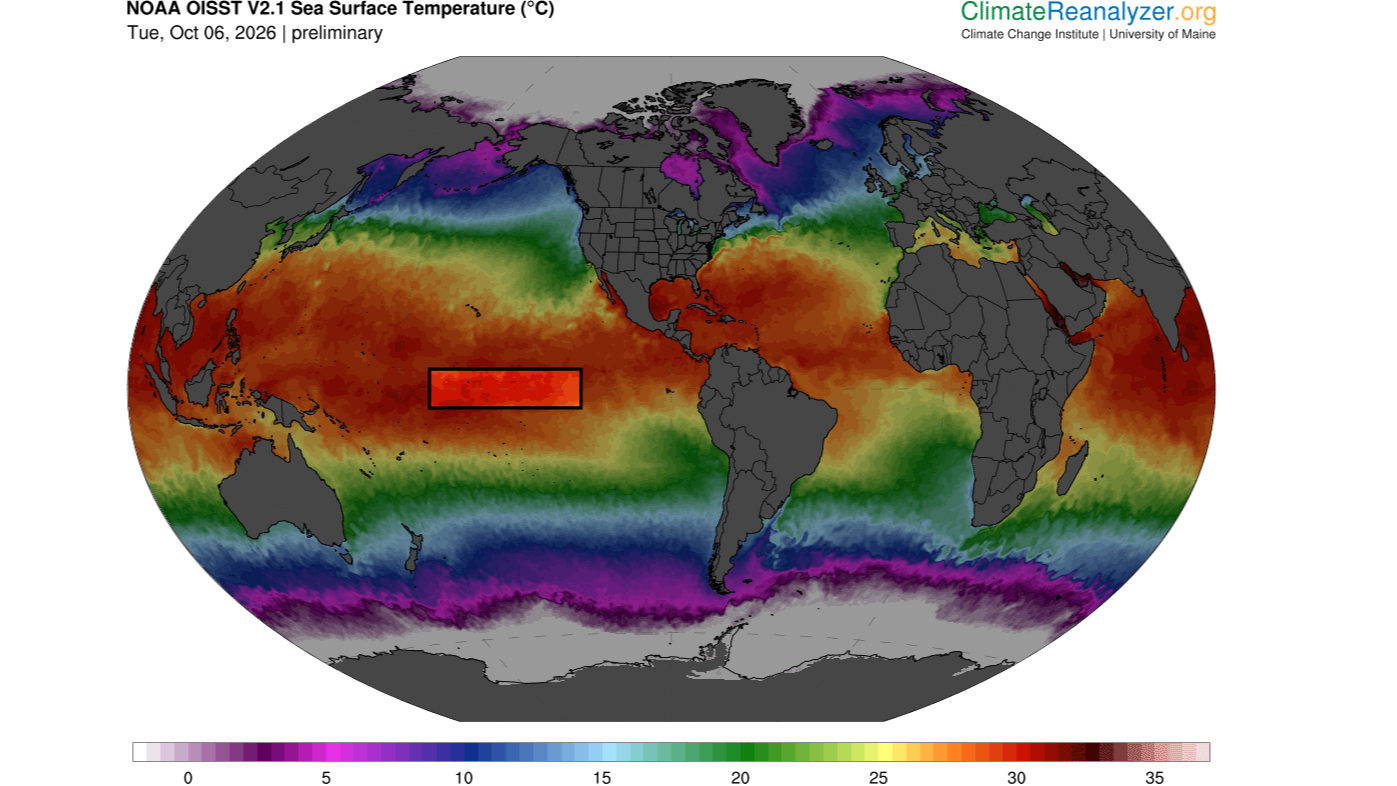
Scientists confirmed Monday that sea‑surface temperatures in the central equatorial Pacific have risen above 86 °F (30 °C) for the first time on record, shattering previous highs for this key stretch of ocean.
The area, which sits between roughly 165° W and 120° W along the equator, is a traditional barometer for the development of El Niño events. Temperatures there are monitored by a network of buoys and satellite sensors, and the latest preliminary readings show a sustained anomaly that exceeds the long‑standing benchmark used to declare an El Niño in progress.
Climatologists say the unprecedented warmth could signal a shift toward a new class of El Niño, one that differs from the classic east‑Pacific pattern that typically brings heavy rains to the Americas and drought to parts of Asia. “We are seeing a broad, centrally‑focused warming that does not fit neatly into the historical categories,” one expert noted, emphasizing that the pattern may produce distinct regional impacts compared with past events.
The record‑setting heat adds to a backdrop of rising global ocean temperatures, a trend linked to climate change. Warmer Pacific waters can disrupt marine ecosystems, altering fish migration routes and threatening fisheries that depend on cooler currents. Moreover, the atmospheric response to such a strong central Pacific heat source could influence storm tracks, tropical cyclone formation, and even temperature extremes in distant continents.
Monitoring agencies, including the National Oceanic and Atmospheric Administration and the World Meteorological Organization, will incorporate the data into their seasonal outlooks over the coming weeks. While the exact trajectory of the emerging pattern remains uncertain, forecasters caution that any strong El Niño—classic or novel—has the potential to reshape weather worldwide, underscoring the importance of close observation as the season progresses.



Comments (0)
Be the first to comment.
Join the discussion