Ancient T. Rex Fossil Set for Historic Sale, Raising Concerns Among Scientists
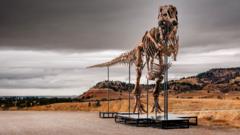
A 67 million-year-old Tyrannosaurus rex skeleton is poised to potentially become the most expensive fossil ever sold, as it heads to auction in New York with a staggering pre-sale valuation of $30 million. While the impending sale is generating considerable buzz in the art and antiquity markets, it is simultaneously sparking significant apprehension within the paleontological community regarding the future of scientific research.
The colossal fossil, representing one of the most iconic predators to have ever roamed the Earth, carries an unprecedented price tag for a specimen of its kind. The $30 million estimate places it far beyond typical acquisition budgets for most public institutions, raising questions about whether such a scientifically invaluable artifact will remain accessible for study and public engagement.
Tyrannosaurus rex fossils are exceptionally rare and highly prized by researchers. Each new discovery provides crucial insights into the biology, behavior, and environment of the late Cretaceous period. When such significant specimens enter private hands, paleontologists often lose the opportunity to conduct ongoing research, utilize advanced imaging techniques, or incorporate them into comparative studies that advance our understanding of prehistoric life.
The concern among scientists stems from the possibility that if acquired by a private collector, the fossil might be stored away from public view and become unavailable for comprehensive academic scrutiny. Public museums and university collections typically ensure that fossils are not only preserved and displayed but also made available to qualified researchers worldwide, fostering collaborative discovery and education.
This particular auction highlights a growing tension between the commercial market for natural history specimens and the imperative of scientific preservation and access. As the value of rare fossils continues to escalate, it becomes increasingly challenging for academic institutions, which often rely on grants and donations, to compete with private wealth.
The sale could establish a new benchmark for the value of dinosaur fossils, potentially influencing future discoveries and their availability to the scientific community. While the allure of owning such a magnificent piece of natural history is undeniable, the implications for future generations of scientists and the public's access to our shared prehistoric heritage are profound.
As the auction date approaches, the scientific community will be keenly watching to see where this ancient predator ultimately lands, hopeful that its journey will still allow for continued contributions to our collective knowledge of the distant past.


Comments (0)
Be the first to comment.
Join the discussion