Superheated Magma Linked to Height of Volcanic Lava Fountains, Study Finds
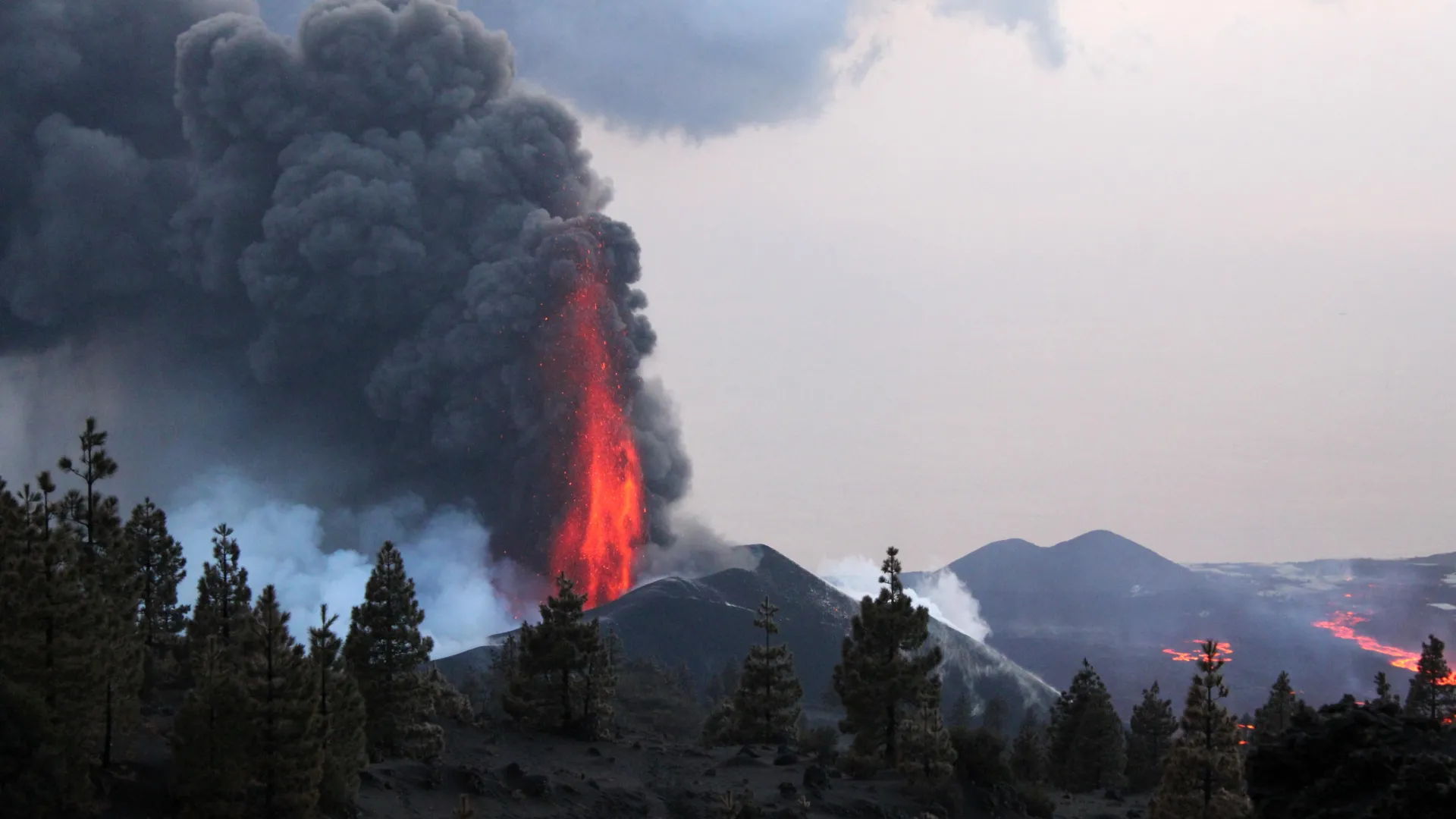
A new laboratory study suggests that magma heated well beyond its normal liquid range can postpone the formation of crystals, a process that may explain why some eruptions launch lava dozens of meters into the air while others flow quietly down a volcano's flank.
Lava fountains are a striking feature of certain eruptions, seen most famously at Hawaiian shield volcanoes and at occasional explosive events in Iceland and Japan. The same magma chamber can produce dramatically different eruption styles, prompting scientists to search for the hidden variables that control whether gas escapes in a gentle flow or a violent burst.
Researchers replicated magma conditions using high‑temperature furnaces and synthetic silicate melts, heating the samples to temperatures well above the point at which crystals normally begin to form. Under these superheated conditions, the melts remained fully liquid for longer periods, allowing dissolved volcanic gases to stay in solution rather than being trapped by early‑forming crystals.
The delay in crystallization proved critical. In typical magma, crystals provide surfaces that promote gas exsolution, reducing the pressure that can drive a fountain. When crystal nucleation is postponed, more gas remains dissolved until the magma reaches the surface, where a rapid pressure drop forces the gas to expand explosively, propelling lava upward in tall, coherent jets.
This mechanistic insight offers a new parameter for volcanic hazard assessment. Monitoring the temperature of magma bodies—through seismic, geodetic, or remote‑sensing techniques—could help forecasters anticipate whether an upcoming eruption is likely to produce hazardous lava fountains or a more subdued effusive flow.
The authors stress that field validation is essential. Future work will aim to measure temperature and crystal content in real volcanic systems, integrate the findings into eruption‑type models, and refine predictive tools that can distinguish superheated magma reservoirs from cooler, crystal‑rich ones.


Comments (0)
Be the first to comment.
Join the discussion