Roman Villa Mosaic Reveals Pet Portraits of Cat Emerald and Dog Ocean
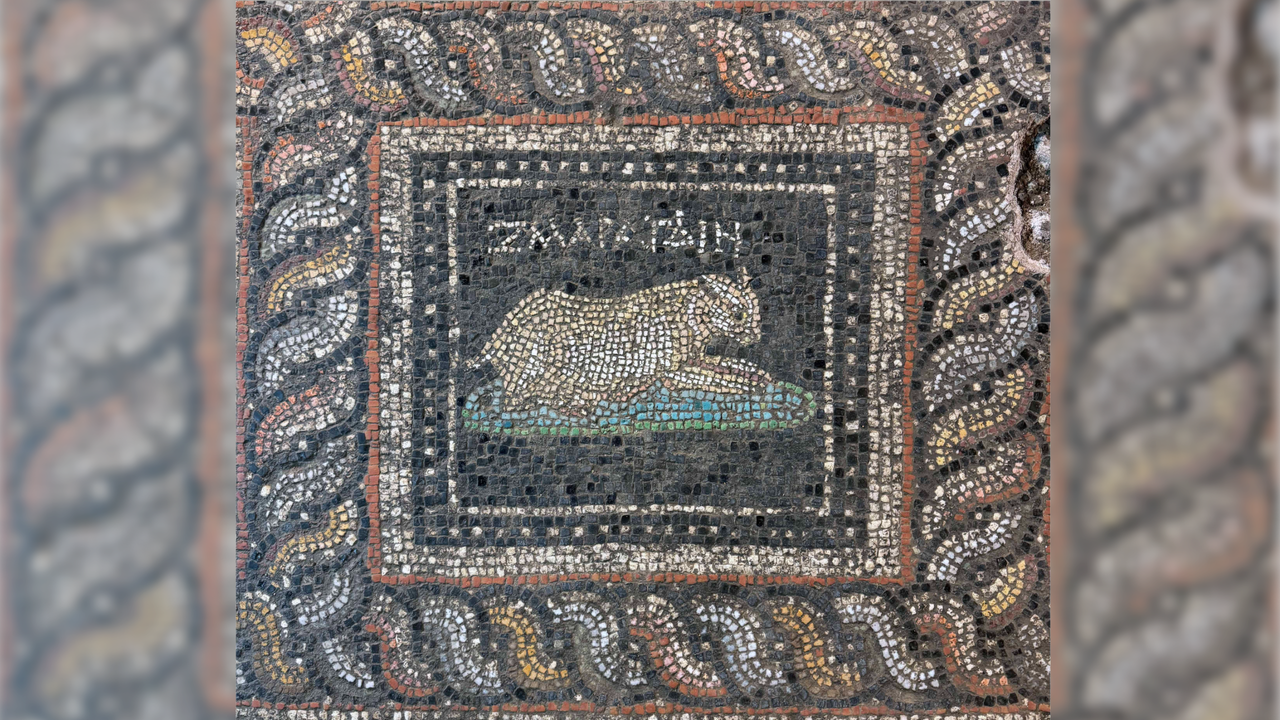
Archaeologists working in southwestern Turkey have uncovered a remarkably preserved floor mosaic that dates back almost two thousand years, depicting a cat named Emerald and a dog named Ocean. The intricate, multicolored design was commissioned by a wealthy Roman homeowner and formed a central decorative element of a previously unknown villa.
The discovery was made during a systematic excavation of a settlement that had long been suspected of housing elite residences. When the mosaic was first exposed, researchers noted the vivid use of tesserae in blues, greens, and reds, which together rendered lifelike portraits of the two animals. Their names, inscribed in Greek letters alongside the figures, suggest that the pets held a special place in the household, an uncommon but not unheard‑of practice among affluent Romans who sometimes commemorated beloved animals in art.
Roman mosaics typically illustrated mythological scenes, geometric patterns, or depictions of daily life. The inclusion of domestic pets as primary subjects points to a personalized approach to interior decoration, reflecting both the status of the owner and the emotional bonds within the family. Scholars note that such individualized representations provide valuable insight into the social customs of the period, especially regarding the role of animals in Roman domestic settings.
The villa itself, now partially revealed, appears to have been part of a network of country estates that dotted the coastal region of ancient Lycia. Its strategic location near trade routes would have granted its owner access to imported materials, explaining the high quality of the mosaic’s glass and stone pieces. Conservation teams are currently stabilizing the artwork, employing climate‑controlled shelters to prevent deterioration while detailed photographic and 3D scanning work proceeds.
Future research will focus on dating the mosaic more precisely through stratigraphic analysis and radiocarbon testing of organic residues found nearby. The find also raises the prospect of uncovering additional personalized artworks within the villa, which could further illuminate the private lives of Roman elites in Anatolia. As the site opens to scholarly review, it promises to enrich our understanding of how wealth, artistry, and affection for companion animals intersected in the ancient world.


Comments (0)
Be the first to comment.
Join the discussion