Study Finds Antarctic Ice Cliffs May Be More Resilient Than Expected
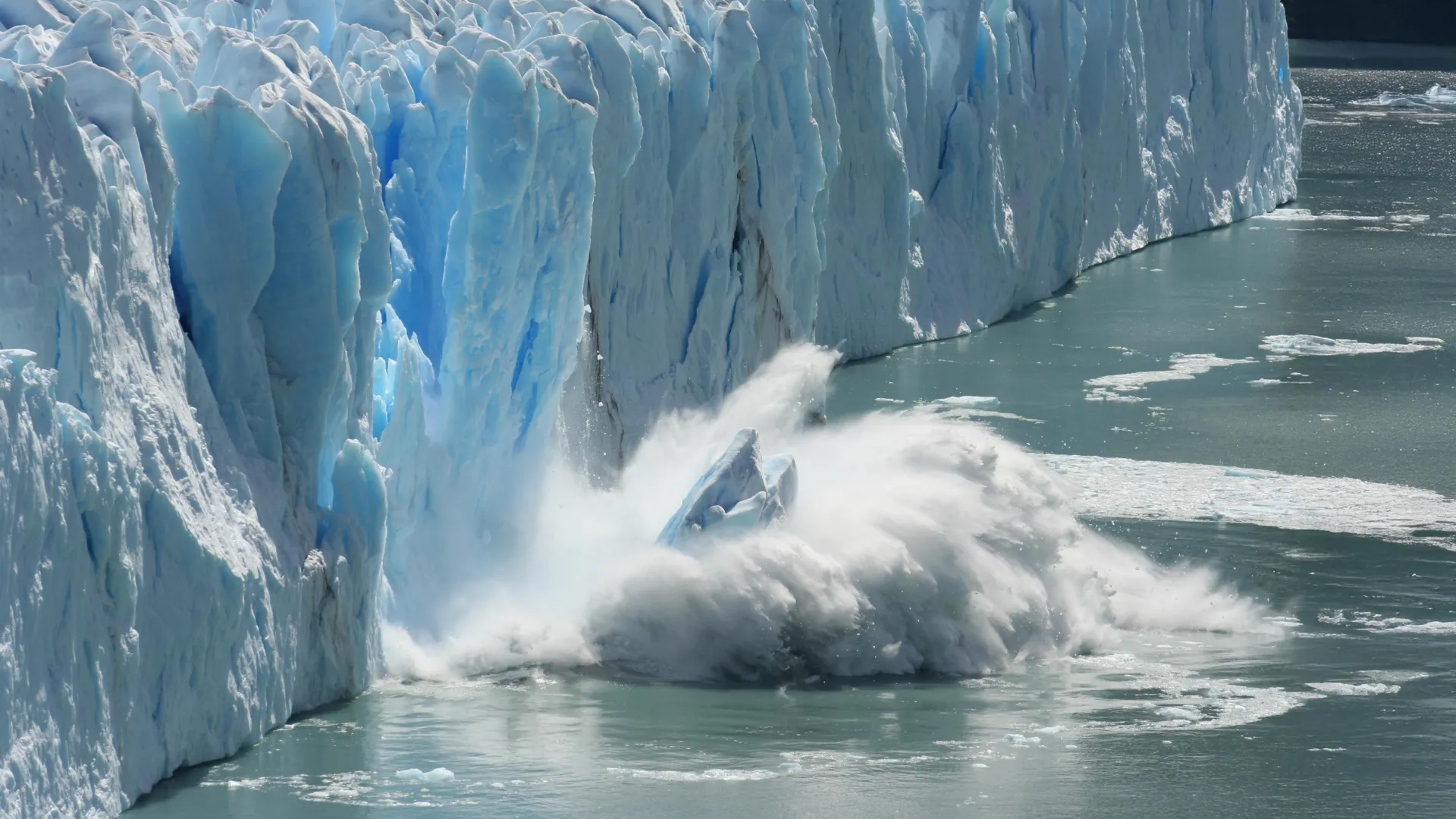
A new analysis of more than 15,000 Antarctic ice cliffs suggests that even the most towering and rapidly collapsing faces may be less prone to catastrophic failure than scientists previously feared.
The research, released through a university‑led collaboration, used satellite imaging and automated detection algorithms to catalogue the height, slope and collapse frequency of ice cliffs across the continent. While earlier models warned that the steep, sheer walls of ice bordering the continent’s ice shelves could trigger sudden, large‑scale calving events, the latest data reveal a pattern of slower, more incremental loss.
According to the study, the tallest cliffs—some rising hundreds of meters above the ocean—do indeed experience rapid break‑offs when they do fail, but such events are far rarer than projected. The investigators attribute this to a combination of buttressing effects from surrounding ice, variable temperature gradients, and the presence of submerged grounding zones that anchor the ice in place.
These findings arrive at a critical moment for climate scientists monitoring sea‑level rise. Antarctica contributes roughly a quarter of current global sea‑level increase, and the potential for sudden ice‑shelf disintegration has long been a source of uncertainty in projection models. By showing that the most dramatic cliff collapses may be constrained by natural stabilising mechanisms, the study offers a modest temper to worst‑case scenarios, though it does not eliminate long‑term concerns.
Experts caution that the resilience observed does not mean the continent is immune to future change. Continued warming of ocean waters and atmospheric temperatures could still erode the protective factors identified, eventually leading to more frequent or larger calving events. The researchers therefore recommend ongoing monitoring, particularly as new satellite platforms improve resolution and frequency of observations.
Future work will focus on integrating the cliff‑collapse dataset with oceanographic measurements to better understand how warming currents interact with ice front dynamics. By refining the physical parameters that govern cliff stability, scientists aim to enhance the accuracy of sea‑level rise forecasts used by policymakers worldwide.
While the study does not overturn the broader consensus that Antarctica is losing mass, it adds nuance to the picture of how that loss is distributed across the ice sheet. The unexpected degree of stability in the continent’s most dramatic ice features underscores the complexity of the cryosphere and the need for continued, high‑resolution observation.


Comments (0)
Be the first to comment.
Join the discussion