Stem Cell Therapy Shows Promise in Reversing Stroke Damage in Mice
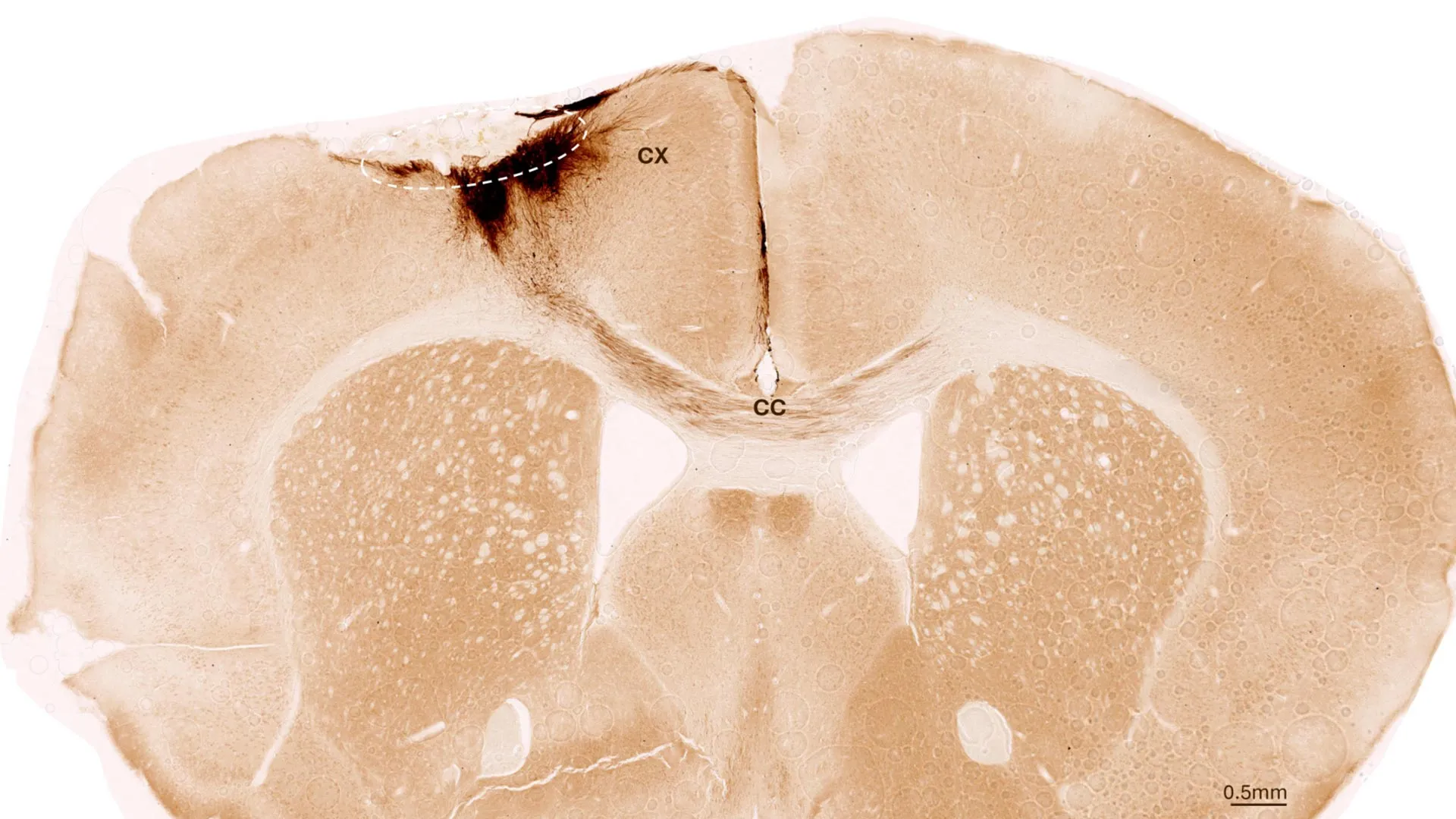
Researchers have demonstrated that transplanting stem cells into mice that suffered a stroke can rebuild damaged brain tissue, generate fresh neurons and bring back motor abilities that were lost.
The study, conducted using an established mouse model of ischemic stroke, introduced neural stem cells into the injured region after a short recovery period. Over subsequent weeks, investigators monitored cellular changes with imaging techniques and assessed behavior through standard motor tests.
Results showed a substantial rise in newly formed neurons within the infarcted area, indicating that the transplanted cells survived, integrated and differentiated into functional brain cells. The therapy also spurred the growth of blood vessels, lowered inflammatory markers and helped re‑establish the blood‑brain barrier, factors that together support lasting recovery.
Functionally, treated mice outperformed untreated stroke‑affected peers on tasks such as the rotarod and grip‑strength assays, achieving performance levels comparable to healthy controls. This functional gain suggests that the structural regeneration translated into real improvements in coordination and strength.
Although the findings are encouraging, scientists stress that moving from mice to humans will require rigorous safety testing and refinement of delivery methods. Stroke remains a major cause of long‑term disability, and current interventions are largely limited to acute clot‑dissolving drugs and rehabilitation. A regenerative approach capable of repairing brain tissue after the acute window could dramatically alter treatment options.
The research group plans further studies to optimize dosing, evaluate long‑term outcomes and explore combination with conventional rehabilitation. If future preclinical work confirms safety and efficacy, the approach could advance to early‑phase clinical trials within several years, offering new hope for patients with limited therapeutic choices after stroke.


Comments (0)
Be the first to comment.
Join the discussion