Starlink’s Mobility Edge Gives It a Leg Up on Cable and Fiber
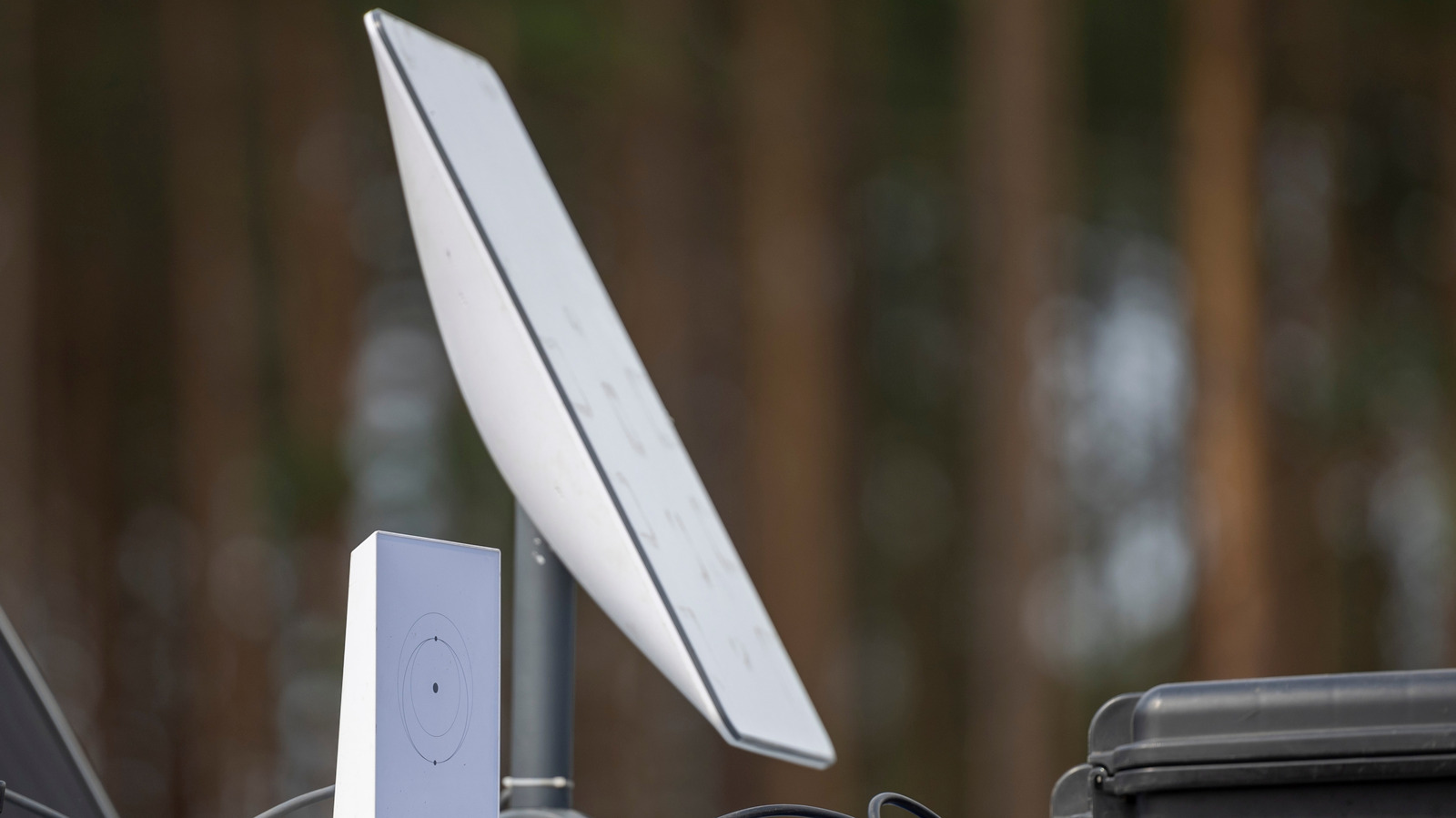
While cable and fiber connections typically outshine satellite services in raw speed and latency, SpaceX’s Starlink distinguishes itself with a mobility advantage that could outweigh those performance gaps for many users.
The core of Starlink’s appeal lies in its ability to deliver broadband without the need for extensive ground infrastructure. A user can set up a terminal, point it skyward, and within minutes access high‑speed internet—no digging trenches or waiting for fiber rolls out. This plug‑and‑play model is especially valuable in remote communities, temporary construction sites, and disaster‑stricken areas where laying cables is impractical or prohibitively expensive.
Beyond static installations, Starlink’s hardware is designed for movement. The company markets rugged, vehicle‑mounted kits that maintain a connection while on the road, on boats, or even in airborne platforms. For RV owners, maritime operators, and field researchers, this means uninterrupted connectivity across regions where traditional ISPs simply cannot reach.
Performance metrics still favor wired networks; fiber can deliver gigabit speeds with sub‑10‑millisecond latency, whereas Starlink typically offers 50‑150 Mbps with 20‑40 ms latency. However, the trade‑off shifts when considering deployment speed and geographic coverage. In the United States, roughly 20 % of households lack access to fiber, and many rural locales rely on satellite or DSL. Starlink’s constellation of low‑Earth‑orbit satellites, orbiting at about 550 km, reduces latency compared with older geostationary systems, narrowing the gap with terrestrial options.
Regulators and policymakers have taken note of the technology’s potential to bridge the digital divide. Federal initiatives aimed at expanding broadband access often cite satellite solutions as a complementary approach to wired expansion, especially in sparsely populated states. Meanwhile, competition from other low‑Earth‑orbit constellations is intensifying, pushing providers to improve service quality and pricing.
Consumers weighing their options must balance speed against flexibility. For urban dwellers with fiber already in place, the marginal benefit of Starlink may be limited. In contrast, for users whose connectivity needs are transient—such as seasonal workers, emergency responders, or travelers—the ability to secure a reliable link without waiting for infrastructure can be decisive.
Looking ahead, SpaceX plans to launch additional satellites and introduce higher‑throughput hardware, aiming to boost speeds and reduce latency further. If those upgrades materialize, the mobility perk could become an even more compelling selling point, potentially reshaping how broadband is delivered in hard‑to‑reach locations worldwide.



Comments (0)
Be the first to comment.
Join the discussion