SpaceX Lenders Push Back on Musk’s Plan to Send AI Chip Collateral Into Orbit
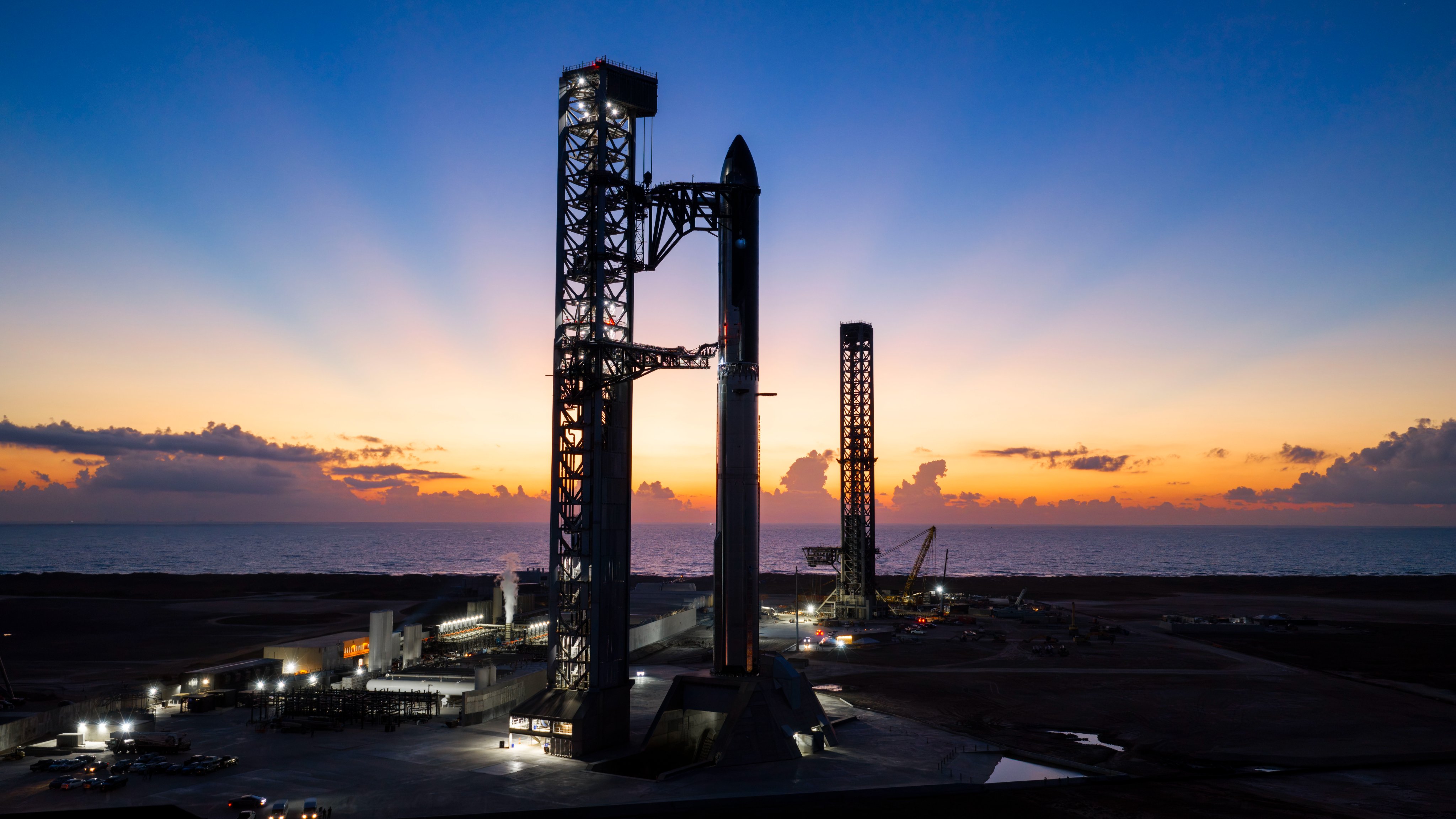
Bankers and institutional investors financing SpaceX's newest $43 billion debt package have lodged formal objections to Elon Musk's proposal to launch the very assets that back the loan—advanced artificial‑intelligence chips—into orbit as part of an envisioned network of space‑based data centers.
The debt, which is secured by the cutting‑edge AI processors that SpaceX manufactures for its Starlink and other ventures, was structured to give lenders a clear claim on tangible collateral. By attempting to move that collateral beyond Earth’s atmosphere, Musk threatens the lenders' ability to enforce their security interests should the venture encounter financial difficulty.
Industry sources say the lenders, which include a consortium of major banks and private credit funds, have filed a series of legal motions seeking to prevent the chips from being treated as expendable payloads. Their arguments hinge on traditional secured‑credit principles: collateral must remain under the control of the borrower and be readily recoverable. Sending the chips into space, they contend, would render them effectively irretrievable.
Musk’s orbital data‑center concept stems from his broader vision of using the vacuum of space to host massive AI workloads. In a series of public talks, he has suggested that the low‑temperature environment and abundant solar power could dramatically cut the energy costs of training large models. The plan calls for launching racks of AI chips, already pledged as loan security, into low‑Earth orbit where they would operate as a distributed super‑computer.
While the idea captures the imagination of technologists, it also raises practical and regulatory questions. Space debris mitigation rules, launch‑vehicle capacity, and the logistics of servicing hardware in orbit are all unsettled factors. Moreover, the lenders point out that the collateral’s value is tied to its physical condition; exposure to radiation and thermal cycling could degrade performance, eroding the very security the loan depends on.
The dispute is expected to play out in court over the coming months, with both sides weighing the potential impact on SpaceX’s broader financing strategy. If the lenders succeed, Musk may need to find alternative collateral or restructure the debt. Conversely, a ruling that permits the launch could set a precedent for using space‑based assets as financial security, a development that would reverberate across the emerging commercial space sector.



Comments (0)
Be the first to comment.
Join the discussion