Prenatal Tissue Differences May Set the Stage for Rheumatoid Arthritis
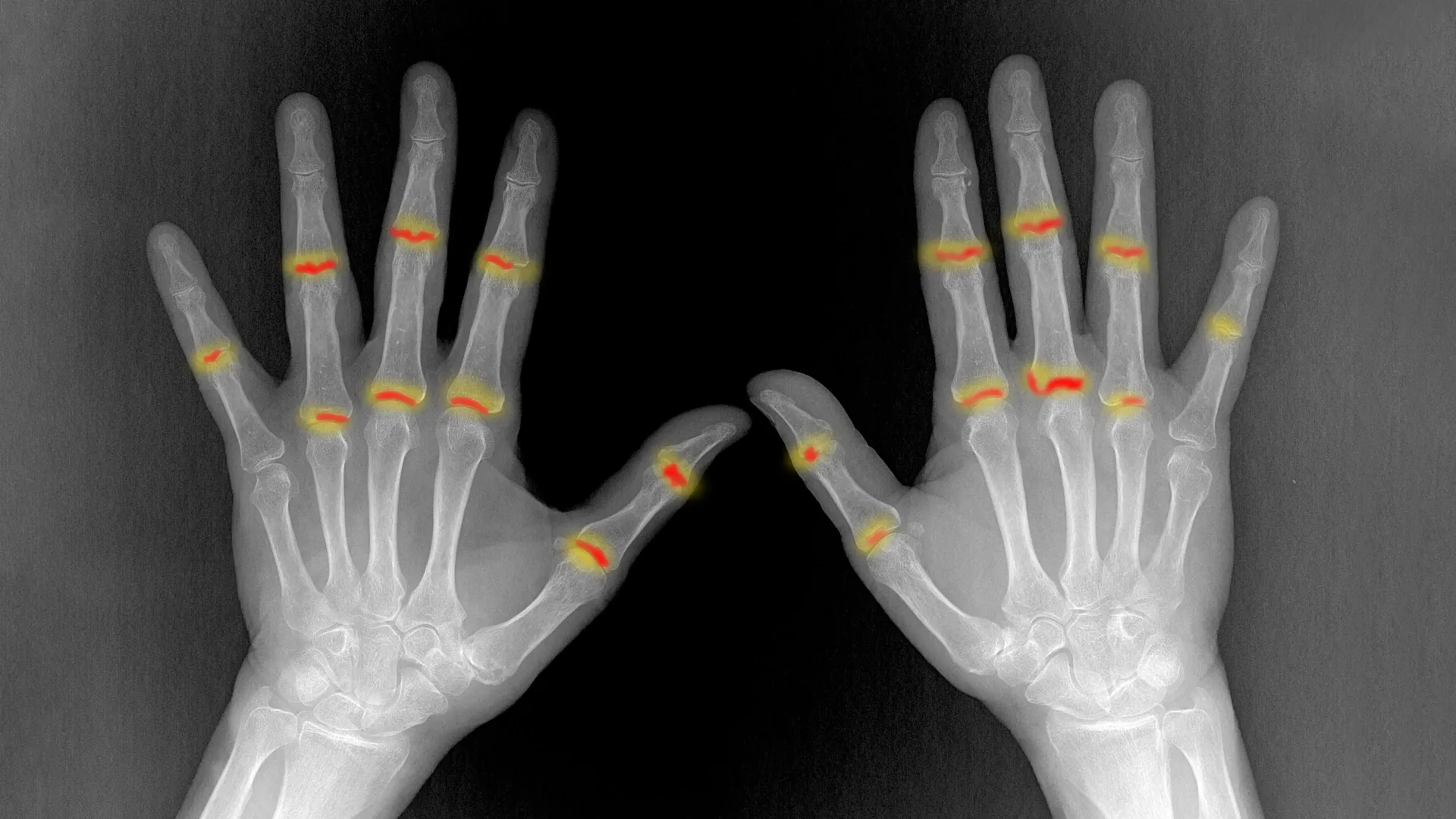
New research suggests that the seeds of rheumatoid arthritis (RA) could be sown before a child is even born, as scientists have identified distinct developmental traits in the finger joints most frequently targeted by the disease.
The study compared the embryonic formation of joints that later become inflamed in RA with those that typically remain unaffected. Researchers found that the vulnerable finger joints exhibit unique tissue architecture and host a markedly larger cohort of specialized fibroblast cells, a type of connective‑tissue cell that plays a key role in joint maintenance and immune signaling.
Rheumatoid arthritis is an autoimmune condition in which the body’s immune system mistakenly attacks joint lining, leading to pain, swelling, and eventual erosion of bone and cartilage. While genetics, smoking, and hormonal factors have long been linked to disease risk, the precise origins of the condition have remained elusive. The new findings add a prenatal dimension to the puzzle, indicating that the groundwork for joint susceptibility may be laid during fetal development.
Fibroblasts are increasingly recognized as active participants in the inflammatory cascade of RA, capable of producing cytokines and other mediators that attract immune cells. By demonstrating that certain joints contain a higher baseline population of these cells from birth, the research points to a possible intrinsic vulnerability that could amplify the impact of later environmental triggers.
The implications extend beyond academic interest. If clinicians can identify individuals whose joint tissue patterns predispose them to RA, early‑stage monitoring or preventive strategies could become feasible. Moreover, the discovery opens avenues for therapeutic exploration aimed at modulating fibroblast activity before the disease manifests, potentially altering its trajectory.
Future investigations will need to confirm whether the observed prenatal differences directly translate into higher RA incidence later in life, and to determine how genetic and lifestyle factors interact with this early tissue landscape. For now, the study underscores the complex, lifelong interplay between development and autoimmune disease, reminding the medical community that the origins of some chronic conditions may trace back to the earliest moments of human growth.


Comments (0)
Be the first to comment.
Join the discussion