Smart Speakers Mishear You? Simple Steps to Sharpen Their Listening
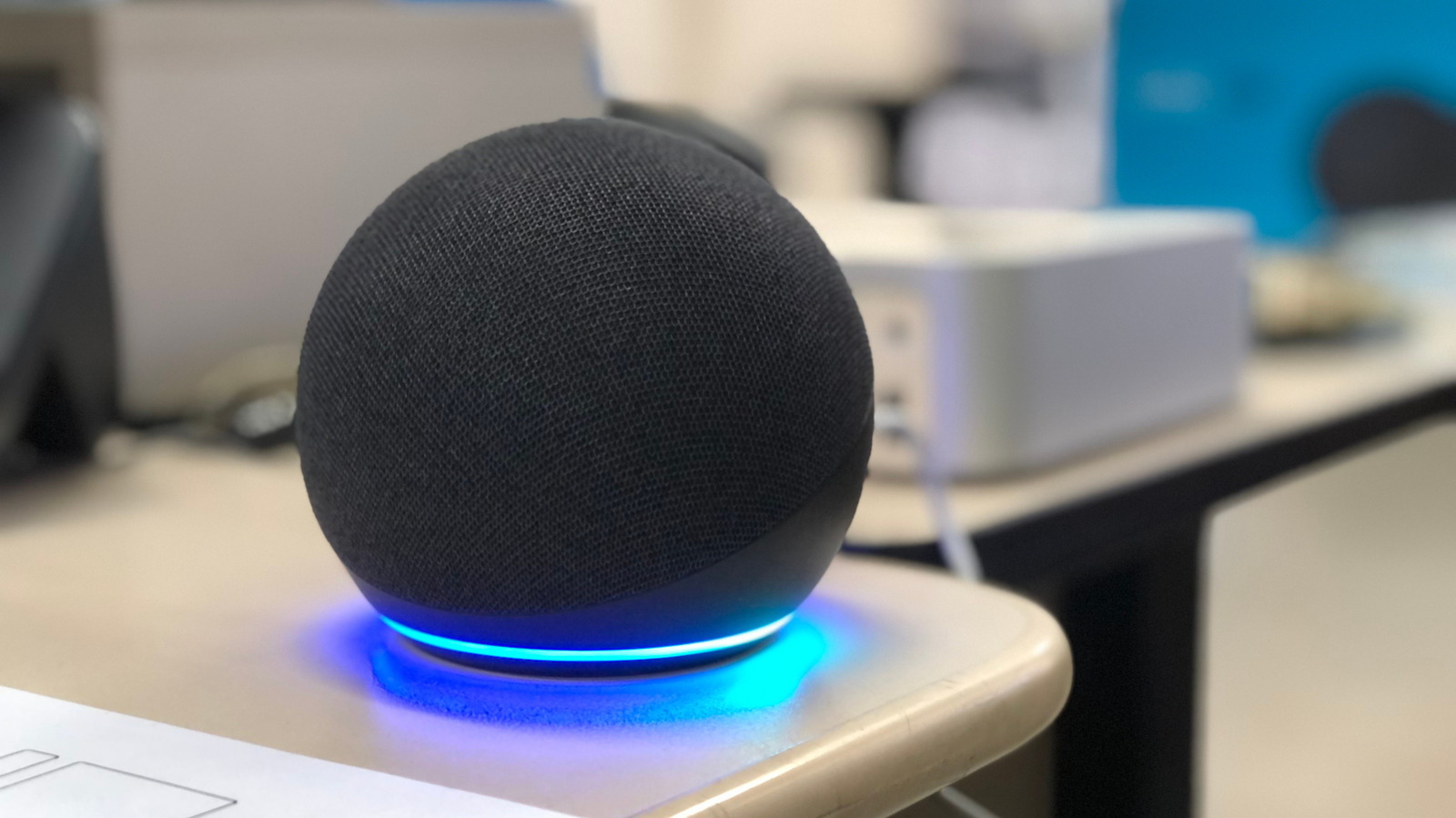
Consumers are increasingly frustrated when voice‑activated assistants fail to understand commands, a problem that stems from both technical limitations and everyday usage habits. While manufacturers tout seamless, hands‑free interaction, real‑world conditions often expose gaps in a device's ability to capture and interpret speech accurately.
At the core of most smart speakers is a microphone array designed to isolate a user's voice from surrounding noise. However, factors such as background conversations, music, television audio, or even the speaker's placement near reflective surfaces can degrade the signal, leading the speech‑recognition engine to misinterpret or ignore commands. The underlying algorithms also rely on large datasets that may not cover every accent, dialect, or speech pattern, which can further contribute to errors.
Experts recommend a few practical adjustments to improve reliability. First, positioning the device away from walls, windows, or corners helps reduce echo and reverberation. Second, speaking directly toward the speaker and using a clear, moderate pace can give the microphone array a stronger, cleaner sample. Enabling the device’s voice‑profile training—where the assistant learns the specific timbre of a household member’s voice—also boosts accuracy, especially in multi‑user homes.
Keeping software up to date is another critical step. Manufacturers regularly release firmware updates that refine wake‑word detection, add new language models, and patch known bugs. Users should also review privacy settings to ensure the microphone is active only when needed, as some devices default to continuous listening modes that can pick up unintended noises.
Beyond individual actions, the industry is working on hardware and AI improvements. Advances in beam‑forming microphones allow devices to focus on a single sound source, while newer neural‑network models promise better handling of diverse accents and noisy environments. Some companies are experimenting with on‑device processing to reduce latency and protect user data, which could also enhance recognition speed.
For now, consumers can mitigate most misunderstandings by applying the simple tips above and staying aware of their speaker’s environment. As voice technology continues to evolve, a combination of smarter hardware, refined algorithms, and informed user behavior is expected to narrow the gap between expectation and performance, making hands‑free control more dependable in everyday life.



Comments (0)
Be the first to comment.
Join the discussion