Scientists Warn Moon's Water Shortage Could Thwart Plans for Permanent Settlements
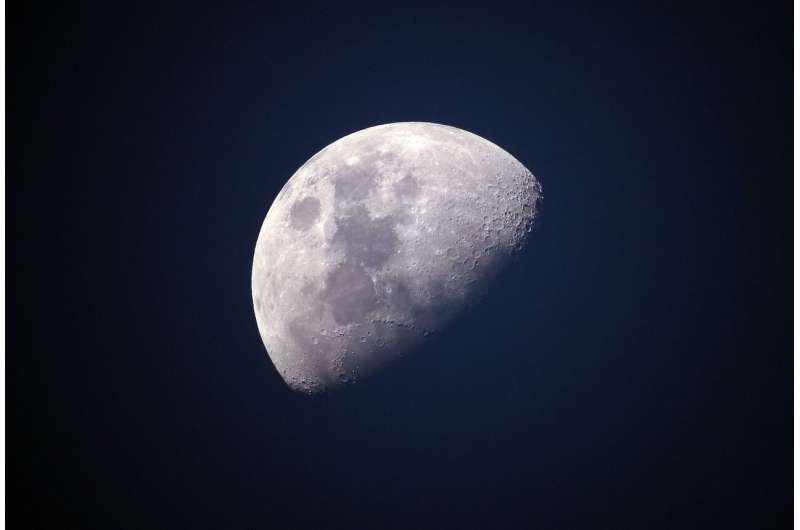
New research confirming that lunar polar craters contain only modest amounts of water is tempering the enthusiasm of agencies and commercial firms that have been eyeing the Moon as the next frontier for permanent habitats and industry.
The discovery, made by remote-sensing instruments that detected faint signatures of ice in permanently shadowed regions, shows that the water reserves are far less extensive than some early estimates suggested. While the presence of ice is undeniable, the quantity appears insufficient to sustain large‑scale human settlements without substantial import of additional resources.
Since the first confirmed detection of water on the Moon, a wave of proposals has emerged to build research outposts, then villages, and eventually full‑scale cities at the poles, where sunlight can be harvested continuously and temperatures remain relatively stable. NASA’s Artemis program, private lunar‑landing ventures, and several national space agencies have all outlined blueprints that rely heavily on in‑situ water for drinking, oxygen production, and rocket fuel.
Experts caution that the logistics of extracting and processing the limited ice deposits could be far more complex and costly than anticipated. The permanently shadowed craters are extremely cold—often below minus 170 degrees Celsius—making mining operations technically challenging. Moreover, the thin distribution of ice means that any extraction effort would have to contend with a patchy resource base, potentially requiring multiple sites and extensive infrastructure.
These constraints have broader implications for the sustainability of a lunar economy. If water cannot be sourced reliably on the Moon, the cost of delivering it from Earth or from alternative sources, such as extracting hydrogen from lunar regolith, could make large‑scale development financially untenable. Critics argue that the “moon rush” may need to be recalibrated toward smaller, more self‑contained habitats that can operate with limited water supplies.
Looking ahead, scientists and engineers plan to conduct follow‑up missions that will map the exact distribution of ice and test extraction techniques in situ. The outcomes of those studies will inform policy decisions about the scale and timing of future lunar construction projects. Until the water question is resolved, the vision of bustling lunar cities remains speculative, and the emphasis may shift back to using the Moon primarily as a scientific outpost and a stepping stone for deeper space exploration.


Comments (0)
Be the first to comment.
Join the discussion