Scientists Pinpoint Cause of Unexpected Earthquake in Traditionally Stable African Interior
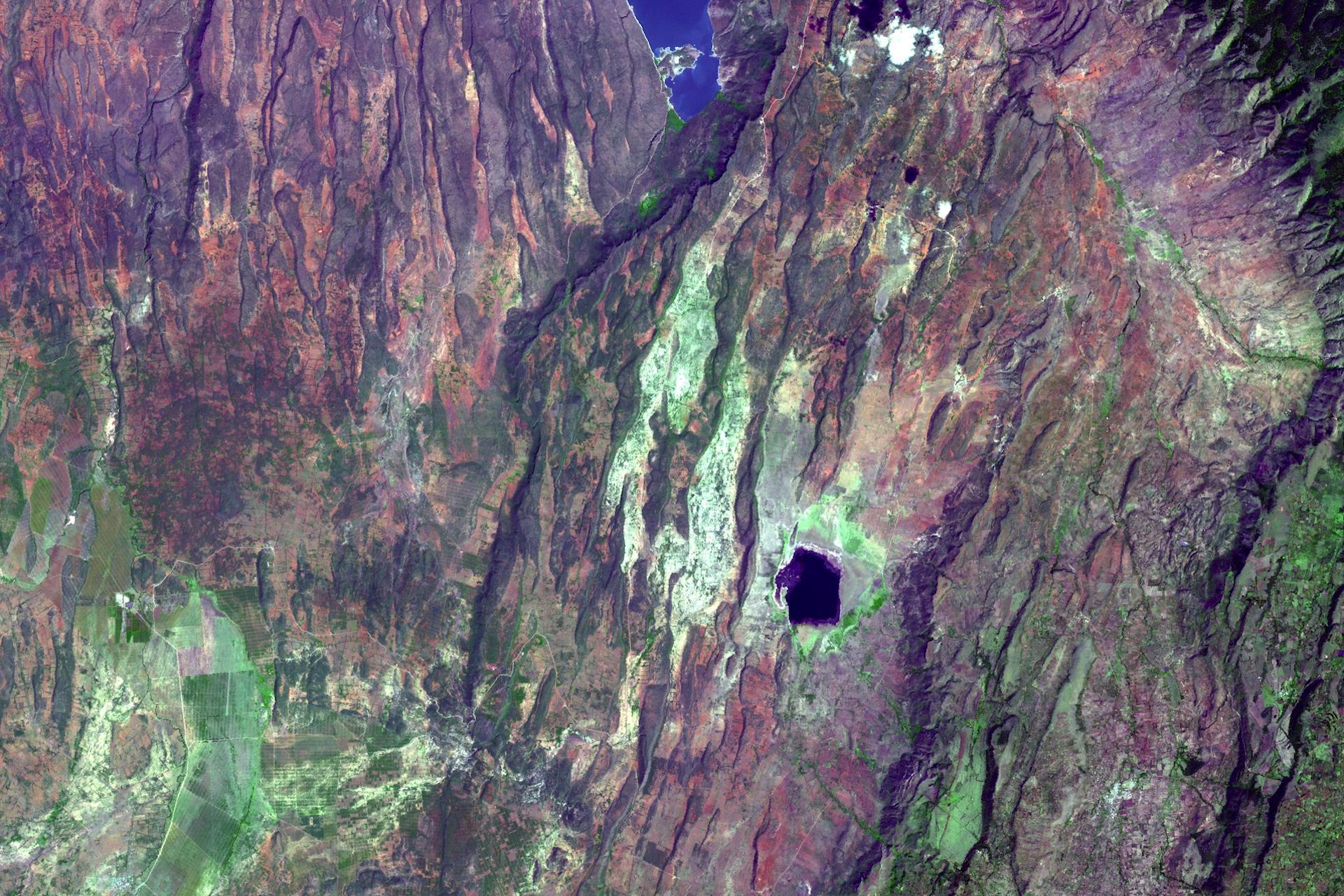
A moderate earthquake rattled a region of eastern Africa that geologists have long considered tectonically tranquil, prompting researchers to announce the first clear explanation for the unexpected tremor.
The quake, felt by thousands of residents across a sparsely populated area, caused minor structural damage but no casualties. Local authorities reported that the shaking lasted only a few seconds, yet the event sparked immediate interest among seismologists because it occurred far from the continent's well‑known rift zones and plate boundaries.
For decades, the interior of the African plate has been described as a stable craton, with seismic activity largely confined to the East African Rift system and the western coast where the African and South American plates once diverged. The rarity of significant earthquakes in the interior has led many to assume that the underlying crust is largely inert, a perception now challenged by the latest findings.
Researchers from several African and international institutions examined the quake’s waveform, depth and focal mechanism using data from newly installed broadband seismometers. Their analysis indicates that the tremor originated along an ancient, buried fault line that has been re‑activated by the slow, north‑westward drift of the Somali micro‑plate away from the Nubian plate. This subtle divergence, occurring at a rate of only a few millimetres per year, is sufficient to accumulate stress over centuries, eventually releasing it as a modest earthquake.
The discovery has broader implications for our understanding of continental breakup. While the East African Rift is the most visible expression of Africa’s ongoing separation, the new evidence shows that the forces driving the split are also manifesting in the continent’s interior, albeit in a less dramatic fashion. Such intraplate events could help refine models of how continental plates fracture and may improve assessments of seismic risk in regions previously thought to be safe.
Scientists stress that the findings do not signal an imminent surge of large‑scale earthquakes, but they do underscore the need for expanded monitoring networks across the continent. Plans are already underway to deploy additional seismic stations and to integrate satellite‑based deformation measurements, which together will provide a clearer picture of the hidden stresses shaping Africa’s geological future.
As researchers continue to map the subtle motions that are gradually pulling the African continent apart, the recent quake serves as a reminder that even the most seemingly stable crust can harbor hidden dynamics, prompting a reevaluation of hazard preparedness in regions long considered geologically quiet.



Comments (0)
Be the first to comment.
Join the discussion