Researchers Uncover Critical New Pathway of Brain Cell Death in Alzheimer's and Dementia
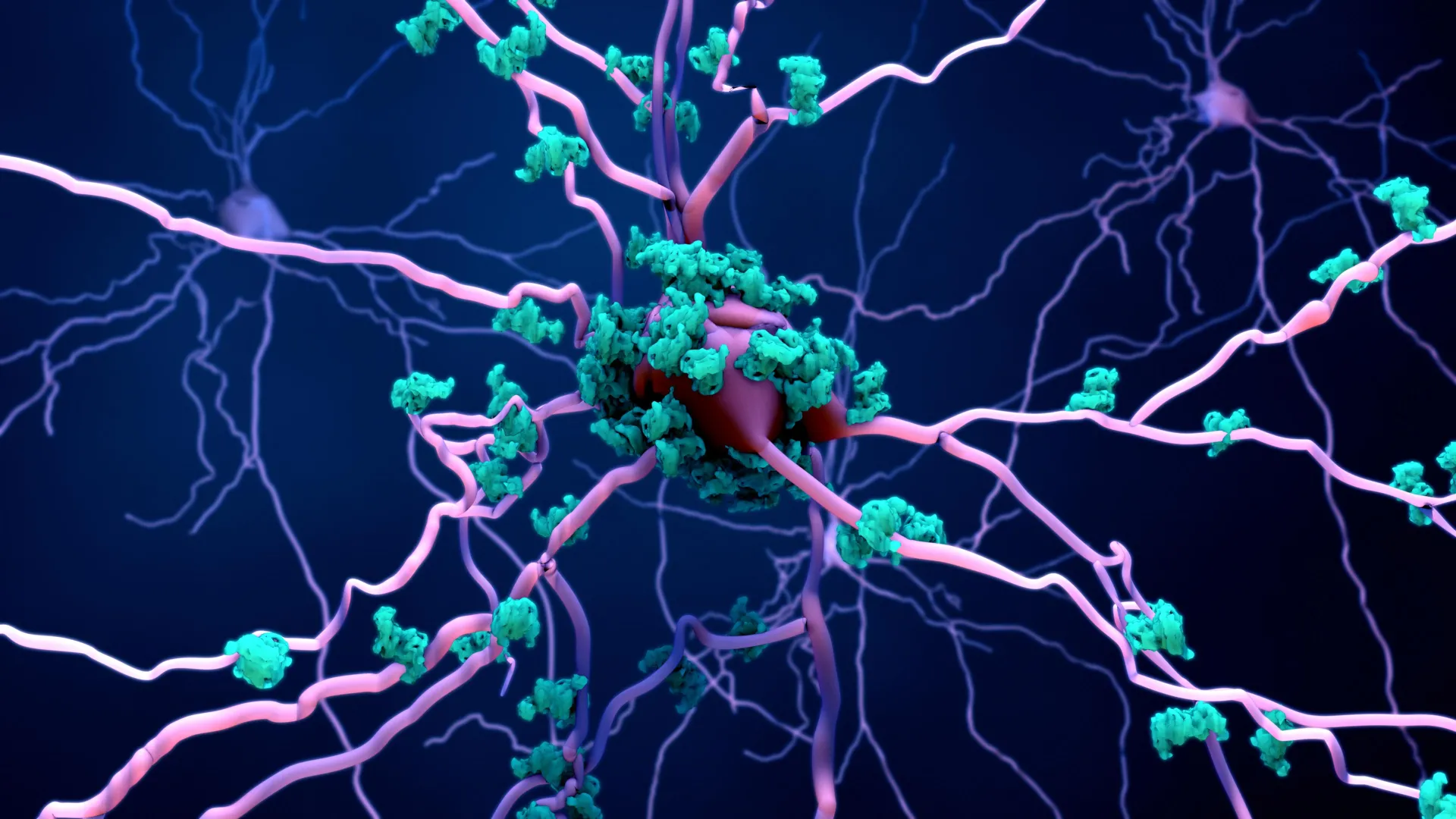
A recent scientific breakthrough has shed new light on the devastating progression of Alzheimer's disease and frontotemporal dementia. Researchers have successfully identified a previously unrecognized mechanism responsible for brain cell death, a discovery that could fundamentally reshape the approach to treating these debilitating neurodegenerative conditions.
This newly pinpointed process appears to play a significant role in the destruction of neurons, offering a fresh perspective on how these diseases inflict damage. For years, scientists have been working to understand the intricate ways brain cells perish in conditions like Alzheimer's, and this finding introduces a crucial piece to that complex puzzle.
Neurodegenerative diseases, including Alzheimer's and frontotemporal dementia, are characterized by the progressive loss of brain cells, leading to severe cognitive decline and impaired daily function. Despite extensive research, effective treatments that can halt or reverse neuron loss have remained elusive, often focusing instead on managing symptoms rather than addressing the underlying pathology.
The identification of this specific, overlooked mechanism of cell death is particularly significant because it presents a novel target for therapeutic intervention. By understanding precisely how neurons are dying, scientists can now focus on developing drugs and therapies designed to interfere with this destructive process, potentially slowing or even preventing the widespread neuron loss that defines these conditions.
This discovery provides a much-needed avenue for innovation in drug development. The hope is that by interrupting this newly identified pathway, future treatments could move beyond symptomatic relief to actively preserve brain function, thereby improving the quality of life for millions affected by these diseases.
The path forward involves further research to fully characterize this mechanism and test compounds that can effectively block its action. The ultimate goal is to translate this foundational scientific understanding into clinical trials, aiming to develop therapies that can intervene early in the disease process, before substantial irreversible brain damage has occurred.
This advancement underscores the critical importance of basic research in unraveling the mysteries of complex diseases. It offers a renewed sense of optimism for patients and families grappling with Alzheimer's and frontotemporal dementia, suggesting that more effective, disease-modifying treatments may be within reach.


Comments (0)
Be the first to comment.
Join the discussion