Ancient Marsupial Lineage Discovered in Queensland Rewrites Evolutionary Narrative
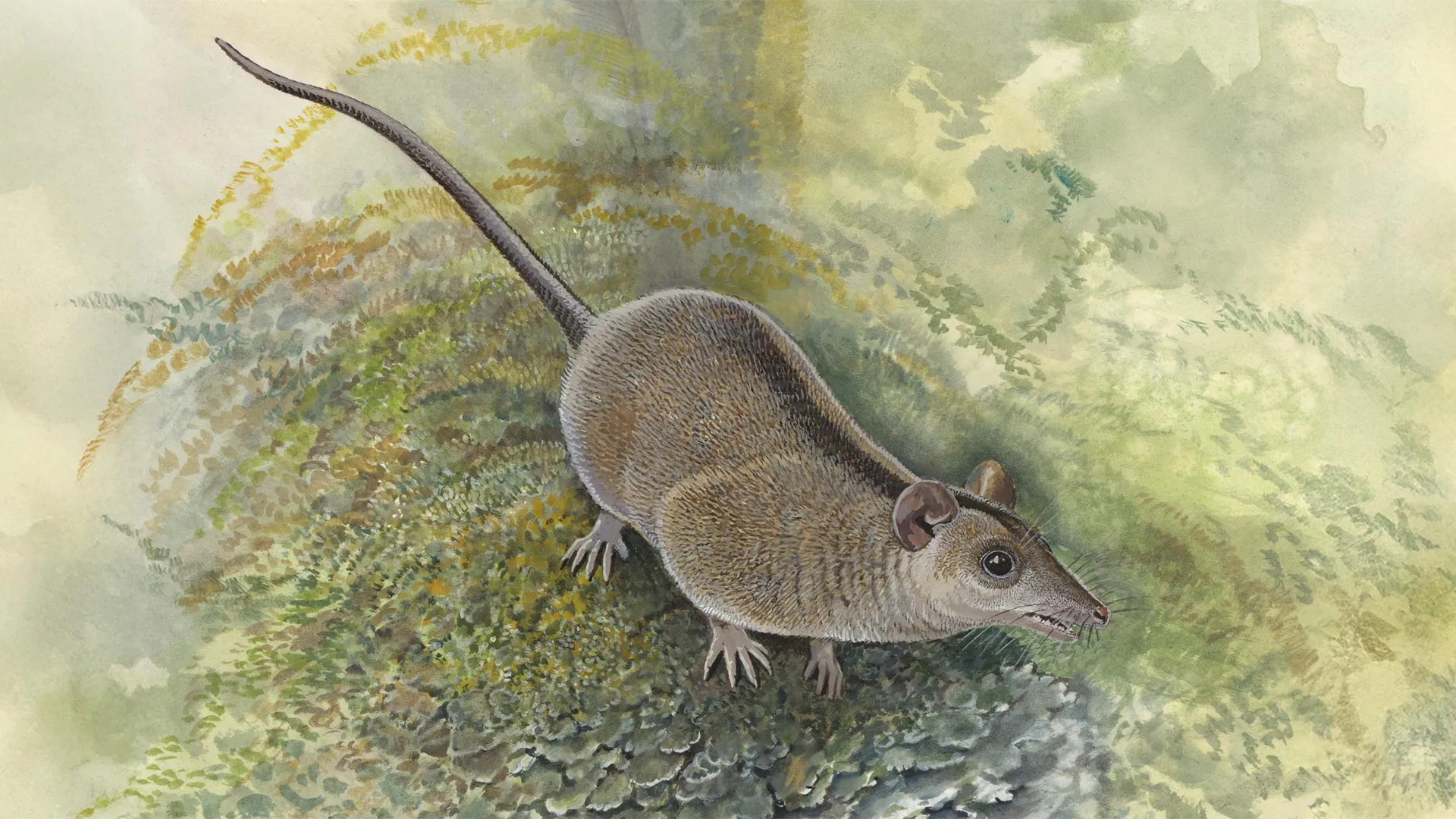
A remarkable discovery in Queensland, Australia, has unearthed fossil evidence of a previously unknown marsupial order, fundamentally reshaping our understanding of the continent's unique mammalian evolution. This newly recognized lineage appears to have thrived in Australia for an astonishing period of approximately 35 million years, suggesting a more complex and diverse ancient history for its iconic fauna than previously assumed.
The findings, stemming from detailed analysis of the Queensland fossils, indicate that this distinct marsupial group existed for an immense stretch of geological time. The sheer longevity of this lineage challenges long-held assumptions about the origins and diversification patterns of Australian marsupials, which have captivated scientists for decades due to their isolated evolutionary path.
Australia's geographical isolation for millions of years created a unique crucible for evolution, leading to the proliferation of marsupials into ecological niches often occupied by placental mammals elsewhere. This isolation has made the continent a living laboratory for evolutionary studies, and each new fossil discovery offers critical insights into its ancient ecosystems.
Crucially, the identification of this new order directly challenges the prevailing idea that all of Australia's diverse marsupial species descended from a single ancestral branch. Instead, this discovery suggests that the continent's marsupial family tree might be significantly more branched and intricate, potentially with multiple independent colonisation events or a more ancient, varied ancestral stock within Australia itself.
The implications of this finding are profound for paleontology and evolutionary biology. It opens new avenues for research into the specific environmental conditions that allowed this long-lost order to persist for millions of years, as well as its interactions with other known marsupial groups during epochs when Australia's climate and landscapes were vastly different from today.
Scientists will now likely focus on seeking further fossil evidence to build a more complete picture of this ancient order's morphology, diet, and behavior. Understanding its place within the broader marsupial phylogeny will be key to unraveling the full scope of its impact on the evolutionary story of the continent.
This groundbreaking discovery underscores the vast, unexplored chapters still hidden within Australia's ancient past. It serves as a potent reminder that even in well-studied areas, the fossil record continues to yield extraordinary insights, constantly refining and expanding our comprehension of life's intricate journey on Earth.


Comments (0)
Be the first to comment.
Join the discussion