Scientists Pinpoint Rare Meteorite Type Responsible for Dinosaur Extinction, Revise Killing Mechanism
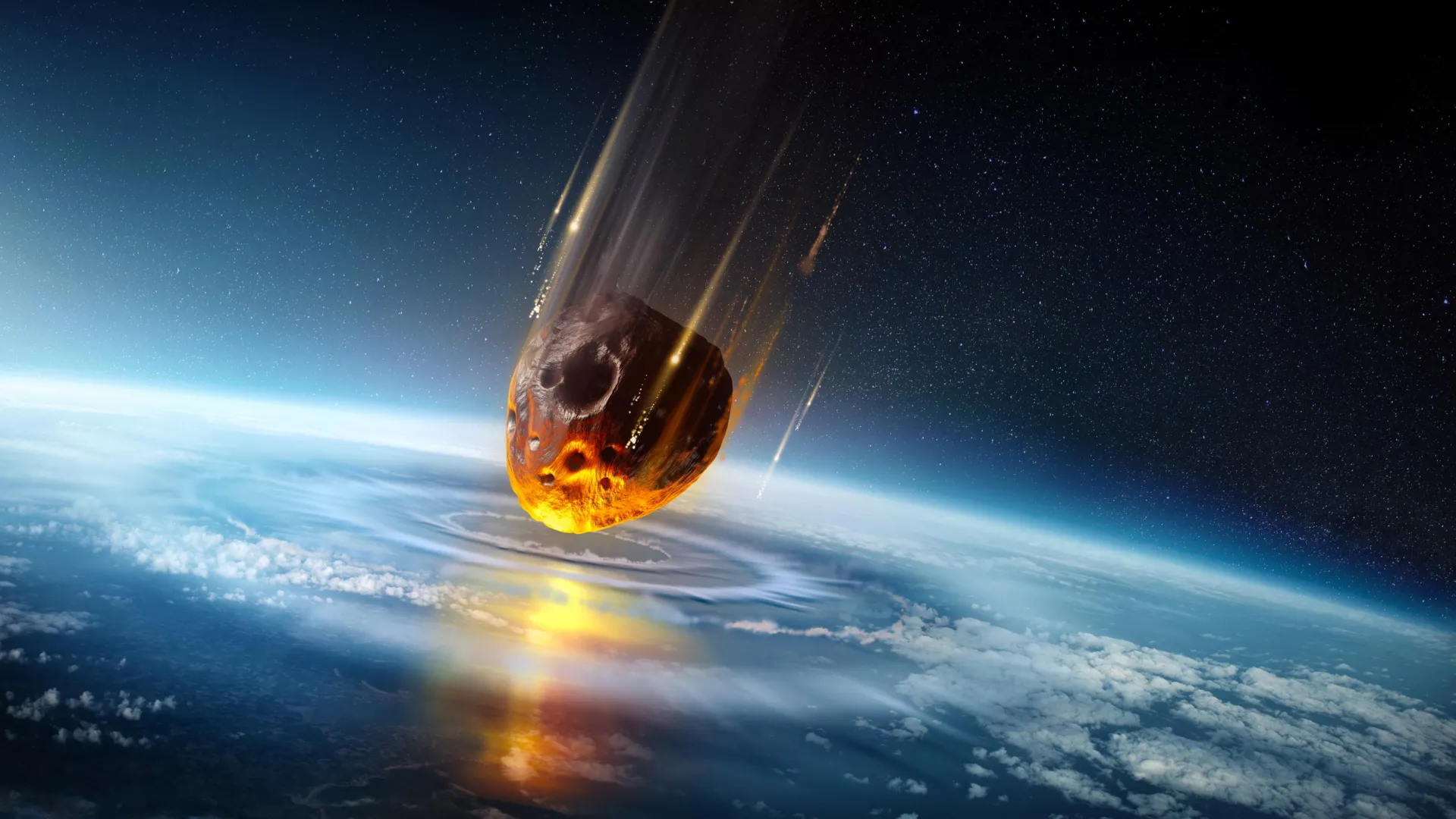
New scientific findings suggest that the asteroid responsible for the extinction of non-avian dinosaurs 66 million years ago was likely an exceptionally rare type of meteorite known as a CO chondrite. This groundbreaking identification not only specifies the cosmic culprit but also refines our understanding of how the catastrophic event unfolded, indicating that global cooling caused by atmospheric dust and debris, rather than the asteroid's inherent sulfur content, delivered the deadliest blow.
The consensus among scientists for decades has been that a massive asteroid impact near what is now the Yucatán Peninsula in Mexico triggered a chain of events that led to the demise of approximately 75% of plant and animal species on Earth, including the dominant dinosaur lineages. However, pinpointing the precise nature of that celestial body has remained a subject of ongoing research and speculation.
The newly identified asteroid type, a CO chondrite, is distinguished by its unusual chemical composition and its presumed origin from a distant, colder region of our solar system. Such meteorites are considered exceptionally rare, making this discovery a significant leap in understanding the specifics of the impactor. This distinct chemistry provided crucial clues for researchers to classify the ancient object.
Crucially, the research shifts the focus regarding the primary extinction mechanism. Previous theories often explored the role of sulfur within the asteroid, suggesting that its release into the atmosphere could have contributed significantly to global cooling and acid rain. However, the unique chemistry of the CO chondrite points to a different dominant factor.
According to the new analysis, the sheer volume of dust and particulate matter ejected into the atmosphere upon impact was likely the principal driver of the subsequent climate collapse. This massive shroud of debris would have blocked sunlight, plunging the Earth into a prolonged period of darkness and extreme cold, thereby disrupting photosynthesis and collapsing food chains worldwide.
This refined understanding offers a more precise model for the immediate aftermath of such a cataclysmic event. By better characterizing the impactor and its destructive capabilities, scientists can more accurately simulate the environmental consequences and gain deeper insights into the vulnerabilities of planetary ecosystems to sudden, drastic changes.
The identification of this rare CO chondrite provides a clearer picture of the cosmic event that reshaped Earth's biological history. It underscores the immense power of extraterrestrial impacts and refines the narrative of one of the planet's most significant mass extinctions, highlighting the critical role of atmospheric dust in orchestrating global environmental collapse.


Comments (0)
Be the first to comment.
Join the discussion