Scientists Warn Super El Niño and Rising Illegal Trade Threaten Galápagos Marine Iguanas
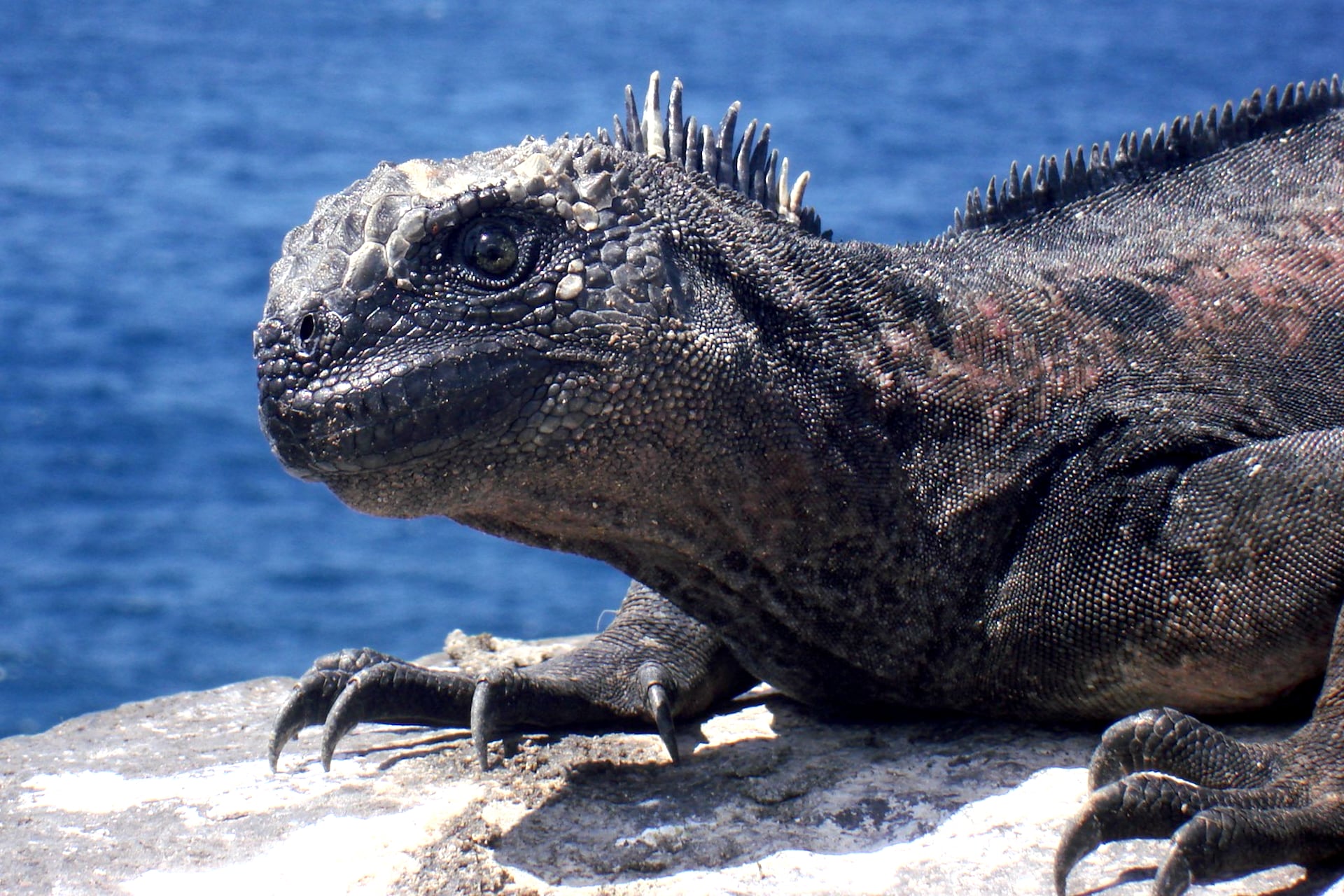
Researchers studying the Galápagos archipelago have issued an urgent warning that a powerful El Niño event, combined with an unexpected surge in wildlife trafficking, could dramatically reduce the numbers of the islands' iconic marine iguanas.
El Niño, a periodic warming of Pacific Ocean waters, typically brings higher sea temperatures and altered currents to the Galápagos. For marine iguanas, which depend on kelp and algae that grow on submerged rocks, such changes can shrink food supplies, lower reproductive success and increase mortality, especially among juveniles.
Since May, Ecuadorian customs officials have confiscated more than 48 marine iguanas intercepted in shipments moving through the country. The animals were being smuggled for the illegal pet market and for collectors, a pattern officials describe as a "strange uptick" because it deviates from the historically low levels of iguana trafficking recorded in the region.
Conservation groups and the Galápagos National Park are responding by stepping up patrols, enhancing surveillance at key ports, and collaborating with international law‑enforcement agencies to trace supply chains. Yet the remote nature of many islands and the limited resources available make comprehensive monitoring a persistent challenge.
Scientists say that without swift action to curb both climate‑driven habitat stress and the illicit trade, the marine iguana could face a population collapse that would echo past extinctions on the islands. They call for stronger regional cooperation, increased funding for anti‑trafficking operations, and accelerated climate‑adaptation measures to safeguard the species for future generations.



Comments (0)
Be the first to comment.
Join the discussion