Repurposed Spinal‑Cord Drug Shows Promise Against Alzheimer’s DNA Damage and Inflammation
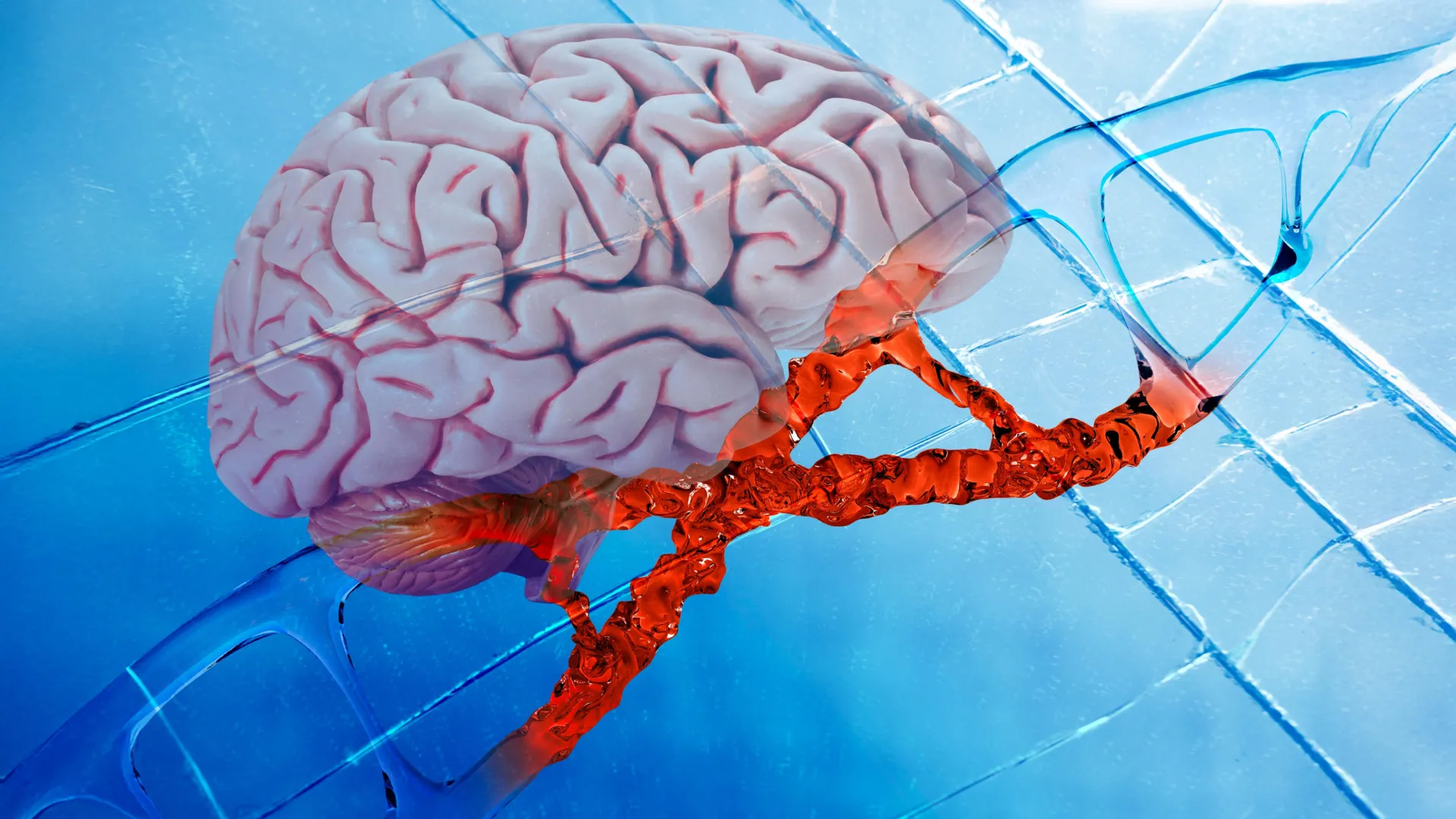
Researchers have reported that a compound originally created to treat spinal‑cord injuries also appears to counter two hallmark processes of Alzheimer’s disease – damaged DNA and chronic brain inflammation – opening a potential shortcut to a new therapy.
Alzheimer’s disease is characterized by the buildup of protein aggregates, loss of neurons and a cascade of molecular disturbances, among which DNA strand breaks and an overactive immune response in the brain are increasingly recognized as drivers of cognitive decline. Targeting these underlying mechanisms, rather than only the symptoms, is a major focus of current drug discovery efforts.
The experimental drug, whose development began in the context of spinal‑cord trauma, works by enhancing cellular pathways that repair genetic material and by dampening inflammatory signaling. In laboratory models of neurodegeneration, the molecule reduced markers of DNA fragmentation and lowered levels of inflammatory cytokines, suggesting a dual‑action profile that aligns with emerging therapeutic strategies for Alzheimer’s.
Crucially, the compound has already completed an initial safety assessment in human volunteers. Those early‑phase trials, conducted to evaluate tolerability rather than efficacy, reported no serious adverse events, providing a regulatory foothold that could accelerate subsequent testing in patients with Alzheimer’s disease.
The repurposing angle is significant because it bypasses many of the early developmental hurdles that accompany brand‑new chemical entities. By leveraging existing toxicology data and manufacturing processes, the path from laboratory to clinic can be shortened, potentially delivering a treatment option to patients faster than the conventional drug pipeline allows.
Investigators plan to move forward with larger, disease‑focused studies to determine whether the biological effects observed in pre‑clinical work translate into meaningful cognitive benefits. These trials will assess dosing, optimal treatment windows and long‑term safety, while regulatory agencies will review the existing data to decide on the appropriate trial design.
If the forthcoming studies confirm the early promise, the drug could become one of the first therapies to directly address DNA repair deficits and neuroinflammation in Alzheimer’s, offering a new avenue for a disease that has seen few breakthroughs in recent years. The scientific community will be watching closely as the research progresses, hopeful that this repurposed agent can add to the limited arsenal against a condition that affects millions worldwide.


Comments (0)
Be the first to comment.
Join the discussion