Study Links Fructose Release by Chemo‑Resistant Cells to Ovarian Cancer Spread
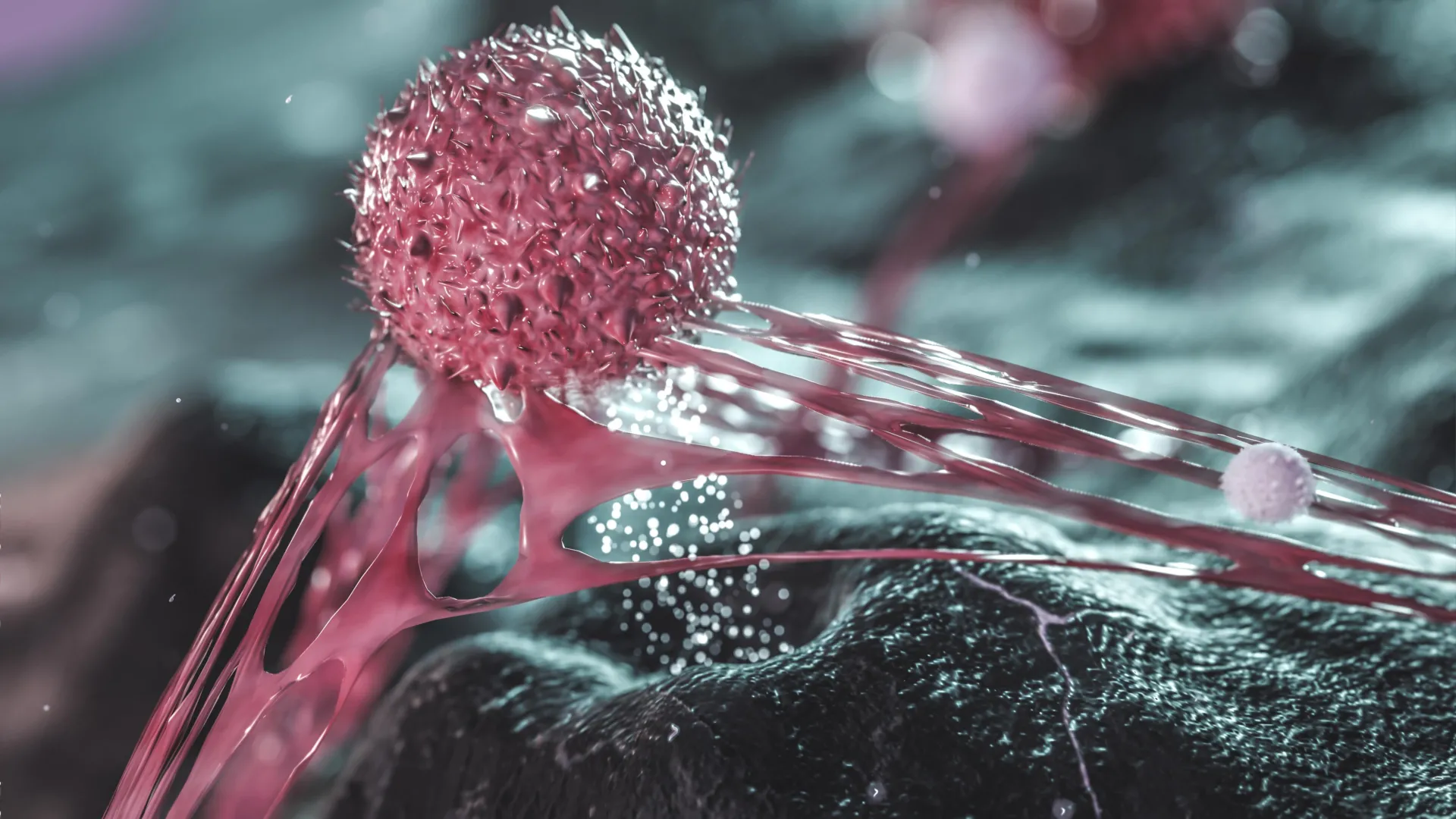
Researchers have identified a previously unrecognized way that the sugar fructose may aid the spread of aggressive ovarian tumors. Laboratory work shows that ovarian cancer cells that survive chemotherapy begin to secrete fructose, which in turn weakens the molecular bonds that normally hold neighboring cells together, creating a pathway for the disease to disseminate.
The team observed the phenomenon in cultured ovarian cancer cells and confirmed the effect in mouse models. When fructose was added to the tumor environment, cancer cells displayed reduced expression of adhesion proteins and increased motility, while blocking fructose uptake restored stronger cell‑cell connections and limited invasion.
Ovarian cancer remains one of the deadliest gynecologic malignancies, largely because it is often diagnosed at an advanced stage and tends to recur after standard platinum‑based chemotherapy. Metastasis, the process by which cancer spreads beyond the ovary to the peritoneal cavity and distant organs, is the primary driver of poor outcomes. Understanding how surviving tumor cells remodel their surroundings is therefore a critical research priority.
Metabolic reprogramming is a hallmark of cancer, with many tumors relying heavily on glucose for energy and biosynthesis. Fructose, a sweetener common in sodas, desserts, and processed foods, has received less attention in the oncology field. The new findings suggest that, beyond serving as a fuel, fructose can act as a signaling molecule that alters the tumor microenvironment, facilitating the detachment and migration of malignant cells.
These insights raise the possibility that dietary fructose intake could influence disease progression, although the study does not establish a direct link between consumption and patient outcomes. More immediately, the work points to potential therapeutic targets: enzymes and transporters that mediate fructose uptake, such as GLUT5, might be inhibited to reinforce cellular adhesion and impede metastasis.
Authors caution that the experiments were conducted in controlled laboratory settings and that human biology is far more complex. Clinical trials will be needed to determine whether reducing fructose exposure—or pharmacologically blocking its pathway—has measurable benefits for patients undergoing chemotherapy for ovarian cancer.
Future research will aim to validate the mechanism in larger animal studies and to explore whether similar fructose‑driven processes occur in other cancers known for high metastatic potential. If the link holds, it could open a new avenue for adjunctive treatments that combine metabolic interference with existing chemotherapy regimens, offering hope for improved survival in a disease that has long challenged clinicians.


Comments (0)
Be the first to comment.
Join the discussion