Drone study uncovers stark contrast in New Zealand’s Erect‑crested penguin populations
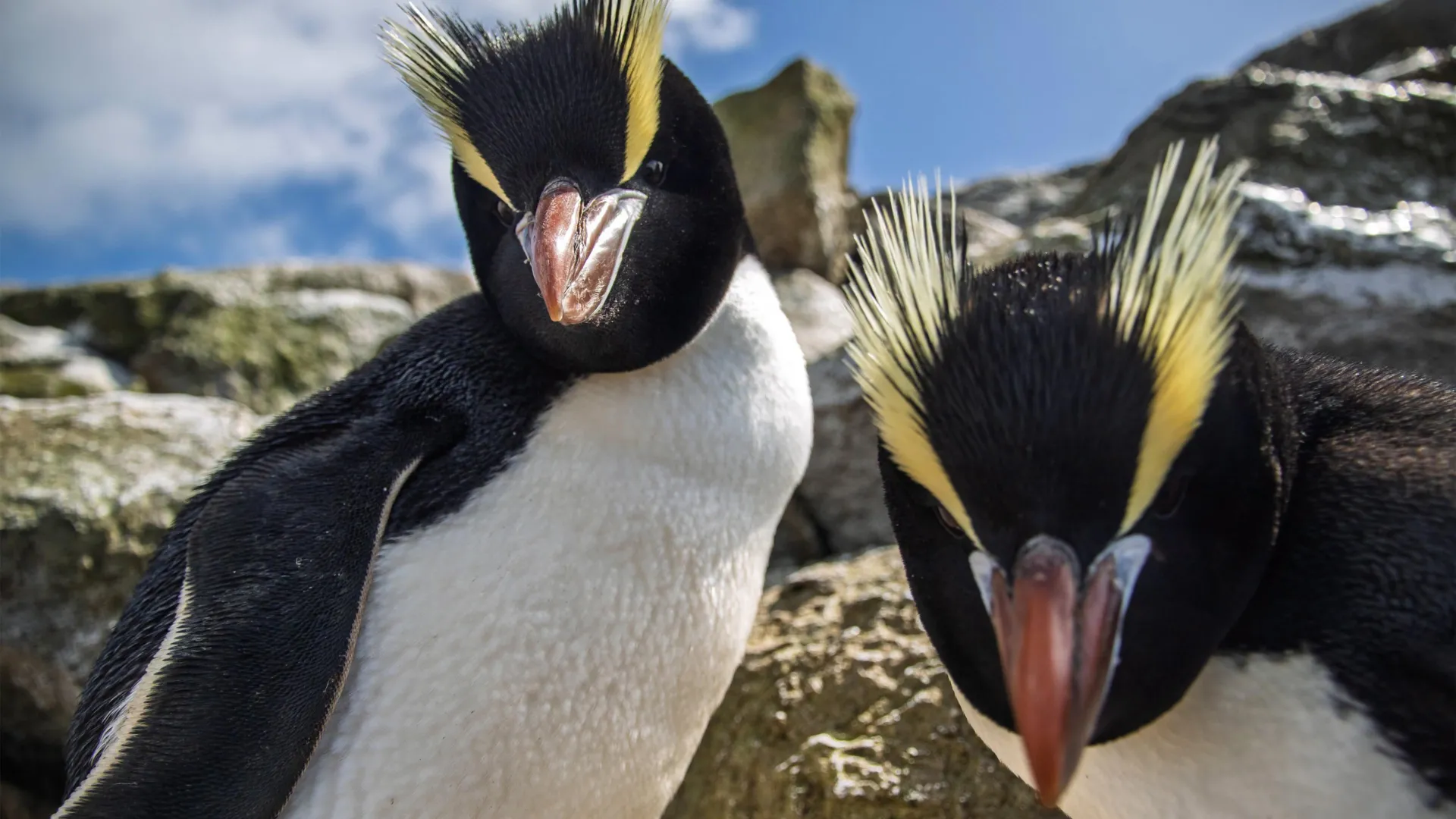
A recent aerial survey using unmanned drones has revealed a puzzling split in the fortunes of New Zealand's endangered erect‑crested penguins, with one colony holding steady for decades while another has shrunk by more than 40 percent.
The erect‑crested penguin, a small, flightless bird that breeds only on a handful of coastal sites in the South Island, has been listed as endangered for years because of its limited range and vulnerability to introduced predators. Conservationists have long feared that the species could disappear from the wild without intensive management.
Researchers deployed a fleet of lightweight drones over the two main breeding sites during the peak nesting season, capturing high‑resolution images that allowed them to count nests, chicks and adult birds without disturbing the colonies. The technology, which has become increasingly common in wildlife monitoring, provided a snapshot of population size that is far more precise than earlier ground‑based counts.
Analysis of the imagery showed that the northern colony, situated near a protected reserve, has maintained a relatively constant number of breeding pairs for at least three decades. In contrast, the southern colony, located on a more exposed shoreline, exhibited a steep decline, with the latest count indicating a loss of roughly 40 percent of its birds. Scientists attribute the drop to a combination of factors: predation by stoats, feral cats and rats that have gained easier access to the nesting area, as well as worsening marine conditions that reduce the availability of the small fish and krill the penguins depend on.
The findings underscore the urgency of targeted conservation actions. Authorities are already planning intensified predator‑control programs around the vulnerable site and are exploring options to enhance marine protection to improve food supplies. Continued drone monitoring will enable managers to track the effectiveness of these measures and adjust strategies as needed, offering a hopeful path forward for a species teetering on the brink.


Comments (0)
Be the first to comment.
Join the discussion