Samsung and LG OLED TVs: How Their Technologies and Features Stack Up
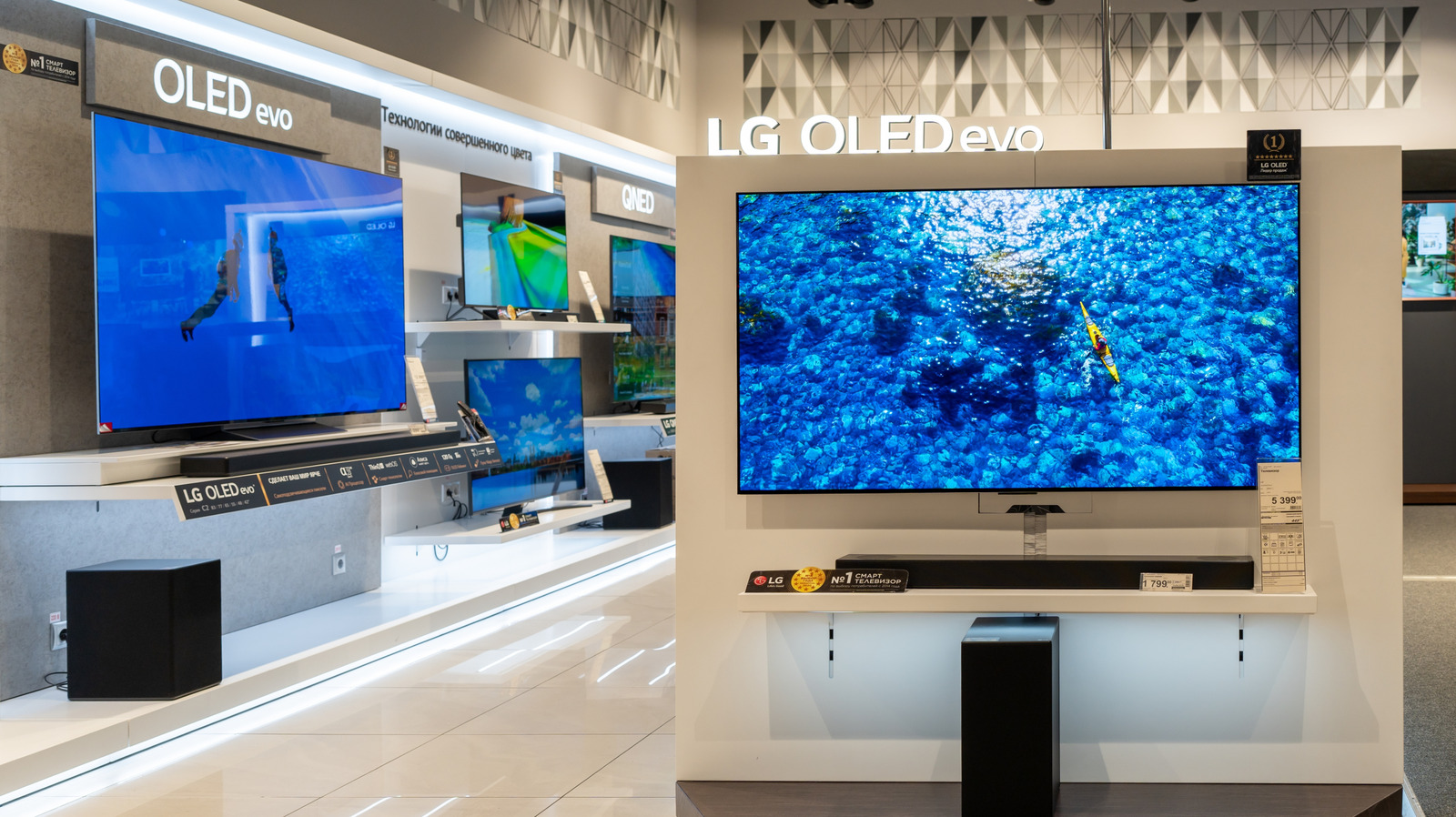
As high‑end television shoppers compare the latest OLED models, the debate often narrows to Samsung versus LG, the two manufacturers that dominate the premium market. While both promise deep blacks and vibrant colors, the way each company achieves those results leads to distinct viewing experiences and buying considerations.
LG has been producing OLED panels for several years, refining the technology that creates each pixel’s own light source. Its panels are known for excellent uniformity and precise color reproduction, attributes that stem from a long‑standing supply chain focused on self‑manufactured glass substrates and organic layers. Samsung, on the other hand, entered the OLED arena with its QD‑OLED line, blending quantum‑dot color filters with traditional OLED emitters. The hybrid approach aims to boost peak brightness and expand the color gamut, giving Samsung screens a slightly more luminous edge in bright rooms.
Beyond the panel itself, the two brands differ in software and ancillary features. LG pairs its OLEDs with the webOS platform, offering a straightforward interface, a growing library of streaming apps, and AI‑driven picture adjustments under the ThinQ banner. Samsung equips its models with Tizen, which emphasizes integration with Samsung’s broader ecosystem, including SmartThings home control and advanced voice assistants. Both manufacturers have added gaming‑focused tools such as variable refresh rate support and low‑input‑lag modes, but Samsung tends to highlight its Object Tracking Sound system, while LG promotes its Game Optimizer suite.
Pricing and model variety also shape the consumer decision. LG typically rolls out a wider range of sizes and price points, from entry‑level OLEDs that still retain the core technology to flagship units with premium upgrades. Samsung’s OLED offerings are currently more limited in size and generally positioned at the higher end of the market, reflecting the newer status of its QD‑OLED production. Availability can vary by region, with LG’s panels more widely stocked in many markets, while Samsung’s models may appear first in select retailers.
Looking ahead, both companies signal continued investment in OLED innovation. LG is exploring larger panels and flexible substrates, while Samsung is refining its quantum‑dot integration to push brightness and efficiency further. For buyers, the choice will likely hinge on whether they prioritize the established color accuracy and broader selection of LG’s OLEDs or the potentially brighter performance and ecosystem ties of Samsung’s QD‑OLEDs. As the technology evolves, keeping an eye on upcoming model releases and independent picture‑quality reviews will help consumers make an informed purchase.



Comments (0)
Be the first to comment.
Join the discussion